How Stress Affects Your Body and Daily Life
Learn how stress affects your body and daily life, from sleep and digestion to mood, focus, energy, and overall health, with simple ways to cope.

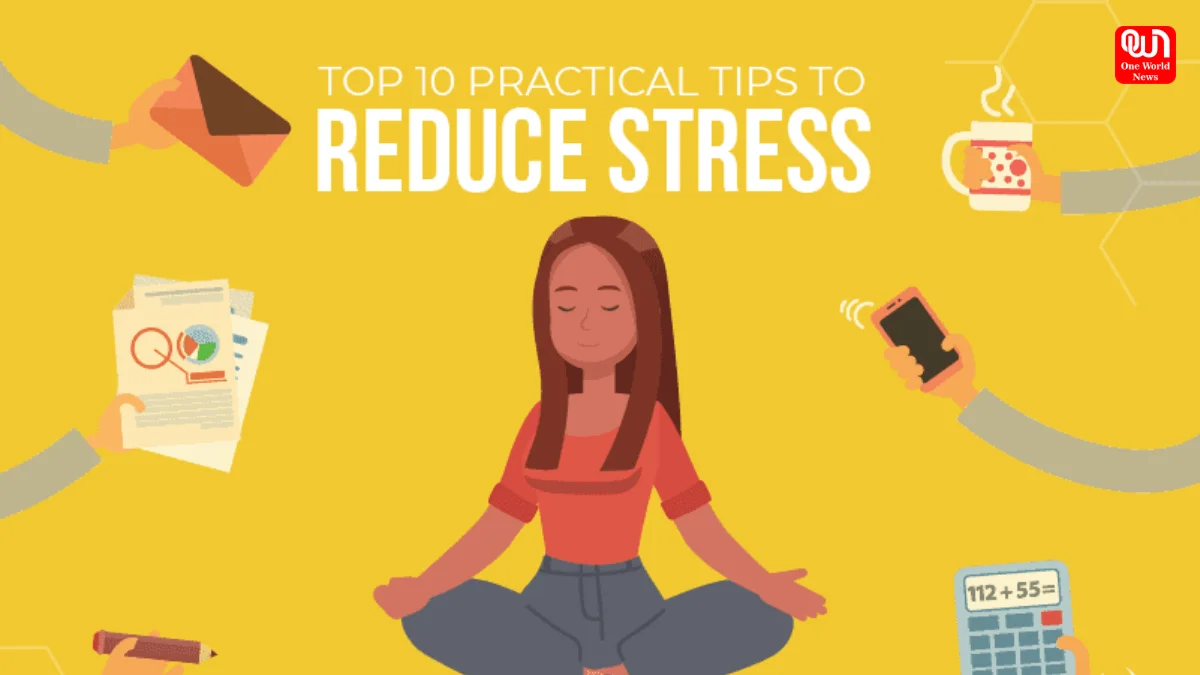
How Stress Affects Your Body and Daily Life: Physical, Mental, and Emotional Effects of Stress
Stress is a normal part of life. Everyone experiences Stress from time to time because of work, school, family responsibilities, money, relationships, or unexpected problems. A small amount of stress can sometimes help you stay alert and complete tasks. However, when stress continues for a long time, it can affect both your body and mind.
According to the American Psychological Association (APA), stress can affect many body systems, including the nervous, cardiovascular, digestive, respiratory, and muscular systems. Long-term stress may also affect sleep, concentration, mood, and everyday behavior.
What Happens to Your Body When You Feel Stress?
When you experience stress, your body enters a natural “fight or flight” response. Your brain recognizes a challenge and sends signals that prepare your body to react. Hormones such as adrenaline and cortisol are released.
These hormones can increase your heart rate, breathing rate, blood pressure, and energy level for a short period. This response can be useful when you need to deal with a difficult or urgent situation.
read more: World Immunization Day 2026: Importance, Benefits, History and Why Vaccination Matters
The problem may occur when this response stays active for too long. Chronic stress keeps the body in a state of alertness and may create physical and emotional strain over time.
Stress Can Affect Your Sleep
One of the most common effects of ongoing stress is poor sleep. When your mind is busy thinking about problems, deadlines, or future events, it can become difficult to relax at bedtime.
You may take longer to fall asleep, wake up during the night, or feel tired in the morning. Poor sleep can then make it harder to manage the next day’s challenges, creating a cycle where stress and tiredness affect each other.
Getting enough sleep is an important part of maintaining physical and mental well-being.
Stress Can Affect Digestion
Have you ever felt a “butterfly” feeling in your stomach before an important event? This is one simple example of the connection between stress and digestion.
Stress can affect communication between the brain and gut. Some people may experience stomach discomfort, bloating, nausea, diarrhea, or constipation when they are under pressure. Stress can also change eating habits. A person may eat more, eat less, or choose unhealthy foods when feeling overwhelmed.
Stress Can Change Your Mood and Thinking
Stress does not only affect the body. It can also change how you think and feel.
Long-term stress may contribute to:
- Irritability
- Feeling overwhelmed
- Trouble concentrating
- Low energy
- Worry
- Difficulty making decisions
- Changes in mood
- Reduced motivation
When your mind is constantly focused on problems, everyday tasks can feel harder. You may find it difficult to enjoy activities that normally make you happy.
How Stress Affects Daily Life
The effects of stress can appear in simple everyday activities. You may have less patience with family members, find it harder to focus at work, or avoid social activities because you feel tired.
Stress can also affect healthy habits. Some people stop exercising, sleep less, eat irregularly, or use unhealthy habits as a way to cope. Over time, these changes can make it even harder to manage stress.
Chronic stress has been associated with problems such as headaches, muscle tension, sleep difficulties, digestive problems, high blood pressure, and other health concerns.
Simple Ways to Manage Stress
The good news is that there are healthy ways to handle everyday stress. You do not need to change everything at once. Small, regular habits can make a difference.
Try these simple steps:
- Get regular physical activity.
- Maintain a consistent sleep routine.
- Take short breaks during busy days.
- Spend time with supportive friends or family.
- Practice slow breathing or relaxation exercises.
- Make time for hobbies and enjoyable activities.
- Organize tasks and avoid taking on too much at once.
- Talk to a mental health professional if stress becomes difficult to manage.
Read more:
The APA recommends healthy habits such as exercise, adequate sleep, social support, and relaxation strategies for managing stress.
Conclusion
Stress is a natural response that can help us handle challenges, but ongoing stress should not be ignored. When stress becomes chronic, it can affect the body, emotions, sleep, digestion, concentration, relationships, and everyday routines.
Understanding the signs of stress is an important first step. By making time for sleep, movement, relaxation, healthy routines, and social support, you can build better ways to handle life’s pressures. If stress is persistent or seriously interfering with daily life, speaking with a qualified healthcare or mental health professional can provide additional support.
We’re now on WhatsApp. Click to join.
Like this post?
Register at One World News to never miss out on videos, celeb interviews, and best reads.