
Magnesium Benefits: Should You Take It Daily? Everything You Need to Know for Better Health
Discover Magnesium Benefits, daily dosage, food sources, side effects, and whether taking magnesium every day is safe for better health.

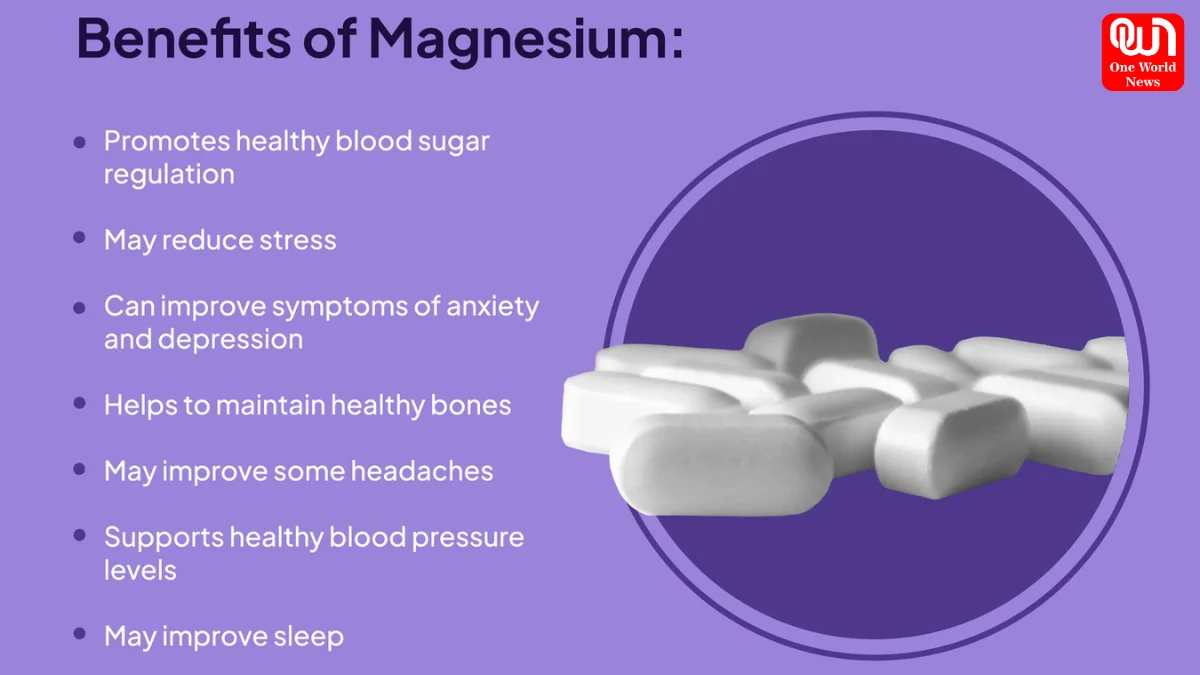
Magnesium Benefits: Should You Take It Daily? Complete Guide to Daily Magnesium Intake, Health Benefits, Side Effects, Food Sources & Who Needs Supplements
Magnesium is one of the most important minerals your body needs to stay healthy. From supporting your muscles and nerves to maintaining heart health and promoting restful sleep, Magnesium Benefits are backed by scientific research. Despite its importance, many people do not consume enough magnesium through their daily diet, making it a popular supplement.
But should you take magnesium every day? Is daily supplementation necessary, or can you get enough through food? In this guide, we’ll explore the top Magnesium Benefits, recommended daily intake, food sources, and when supplements may be helpful.
What Is Magnesium?
Magnesium is an essential mineral involved in more than 300 biochemical reactions in the body. It helps regulate muscle function, nerve signaling, blood sugar, blood pressure, protein production, and energy metabolism. It also plays an important role in maintaining healthy bones and supporting DNA synthesis.
Since your body cannot produce magnesium naturally, you must obtain it through food or supplements.
Top Magnesium Benefits
1. Supports Muscle and Nerve Function
One of the biggest Magnesium Benefits is its ability to support healthy muscles and nerves. Magnesium helps muscles contract and relax properly while ensuring smooth communication between the brain and nervous system. People with low magnesium levels may experience muscle cramps, twitching, or weakness.
2. Promotes Better Sleep
Many people take magnesium because it may help improve sleep quality. Magnesium supports relaxation by regulating neurotransmitters involved in sleep and calming the nervous system. While research is promising, benefits appear to be greatest for people who are deficient or have certain sleep issues.
3. Supports Heart Health
Among the most important Magnesium Benefits is maintaining cardiovascular health. Magnesium helps regulate blood pressure, supports a normal heart rhythm, and assists healthy blood vessel function. Some studies suggest adequate magnesium intake is associated with better heart health, although supplements are not necessary for everyone.
Read more: Protein Meets Coffee: 6 Easy Proffee Recipes You Can Make in Under 5 Minutes
4. Helps Maintain Healthy Bones
About half to sixty percent of your body’s magnesium is stored in your bones. Magnesium works alongside calcium and vitamin D to support bone strength and healthy bone development.
5. Supports Energy Production
If you often feel tired, magnesium may play a role. It helps convert the food you eat into usable energy, making it essential for daily physical and mental performance.
6. Helps Regulate Blood Sugar
Research indicates that magnesium contributes to healthy insulin function and blood sugar regulation. People with type 2 diabetes often have lower magnesium levels, although supplementation should be discussed with a healthcare professional.
Should You Take Magnesium Every Day?
The answer depends on your individual needs.
If you eat a balanced diet rich in magnesium-containing foods, you may already meet your daily requirement. However, people with low magnesium intake, certain medical conditions, digestive disorders, or those taking specific medications may benefit from supplements after consulting a healthcare provider.
Daily supplementation is not necessary for everyone, and taking more than recommended can lead to unwanted side effects.
Best Food Sources of Magnesium
Instead of relying only on supplements, include magnesium-rich foods in your meals:
- Spinach and leafy green vegetables
- Almonds and cashews
- Pumpkin seeds
- Chia seeds
- Black beans
- Lentils
- Brown rice
- Avocados
- Bananas
- Dark chocolate
A nutrient-rich diet often provides the safest way to enjoy the many Magnesium Benefits.
Recommended Daily Intake
The recommended dietary allowance (RDA) varies by age and sex. For most adults, it is approximately:
- Adult Men: 400–420 mg per day
- Adult Women: 310–320 mg per day
- Pregnant women may require slightly higher amounts.
Always follow your healthcare provider’s advice before starting supplements.
Can Too Much Magnesium Be Harmful?
While magnesium from food is generally safe, excessive magnesium from supplements may cause:
- Diarrhea
- Nausea
- Stomach cramps
- Low blood pressure
- Irregular heartbeat in severe cases
People with kidney disease should be especially cautious because their bodies may not remove excess magnesium efficiently.
Who May Benefit Most from Magnesium?
Daily magnesium may be considered for people who:
- Have a diagnosed magnesium deficiency
- Eat a poor-quality diet
- Experience certain digestive disorders
- Take medications that reduce magnesium levels
- Have increased magnesium needs as determined by a healthcare professional
A medical evaluation is the best way to determine whether supplementation is appropriate.
read more: Early Menopause: Symptoms, Causes And Health Effects Every Woman Should Know
Conclusion
The numerous Magnesium Benefits make this essential mineral a key part of overall health. Magnesium supports muscles, nerves, bones, heart health, energy production, and many other vital functions. While many people can meet their needs through a balanced diet rich in nuts, seeds, legumes, and leafy greens, some individuals may benefit from daily supplements under medical guidance.
Rather than taking magnesium simply because it is popular, focus on your diet, lifestyle, and healthcare provider’s recommendations. When used appropriately, magnesium can be a valuable part of a healthy routine.
We’re now on WhatsApp. Click to join.
Like this post?
Register at One World News to never miss out on videos, celeb interviews, and best reads.