Daily Protein Need: How Much Protein Do You Really Need Every Day?
Learn your daily Protein need based on age, weight, and activity. Discover protein-rich foods, benefits, and expert daily intake tips.

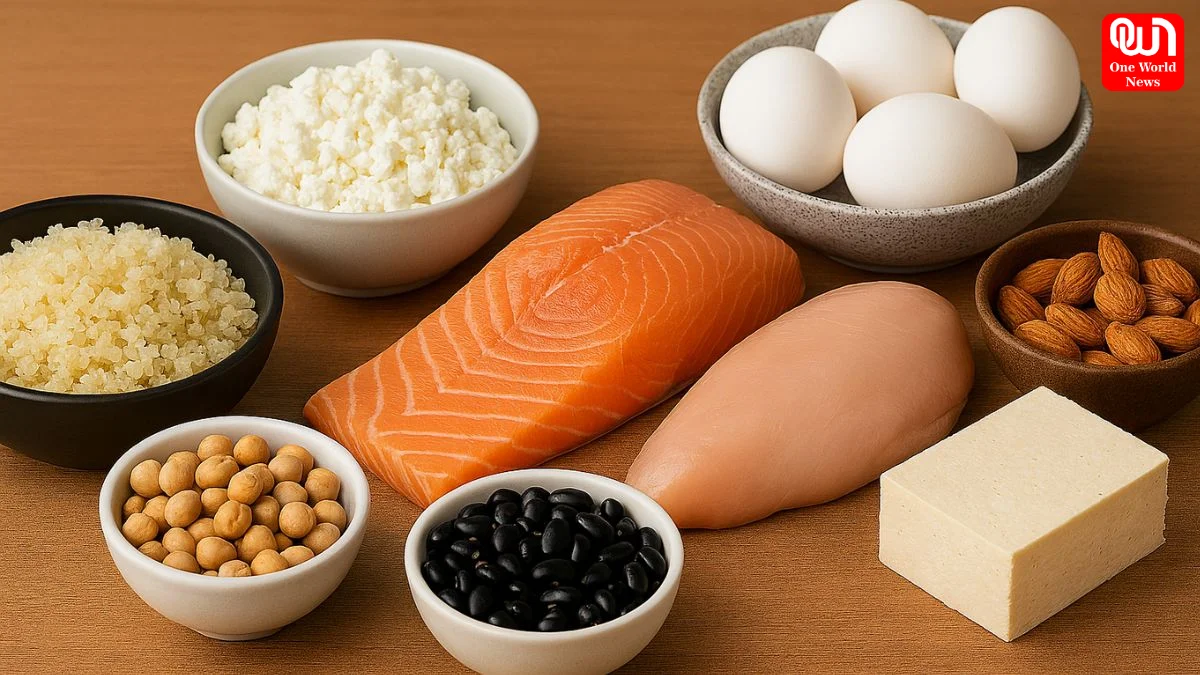
Daily Protein Need Guide: How Much Protein Do You Really Need Every Day for Better Health, Muscle Growth, Weight Loss & Overall Fitness?
Protein is one of the most important nutrients your body needs to stay healthy. Whether your goal is building muscle, losing weight, improving fitness, or simply maintaining good health, understanding your daily Protein need is essential. Many people either consume too little protein or believe they need much more than necessary. The truth is that your ideal protein intake depends on several factors, including your age, weight, activity level, and health goals.
In this guide, we’ll explain everything you need to know about your daily Protein need, how to calculate it, and the best food sources to include in your diet.
Why Is Protein So Important?
Protein is often called the building block of the body. Every cell, tissue, and organ relies on protein to function properly. It helps repair muscles, build bones, produce hormones, strengthen the immune system, and maintain healthy skin and hair.
Unlike carbohydrates and fats, your body doesn’t store large amounts of protein. That’s why meeting your daily Protein need through regular meals is important for overall health.
What Is the Recommended Daily Protein Need?
According to widely accepted nutrition guidelines, the Recommended Dietary Allowance (RDA) for healthy adults is 0.8 grams of protein per kilogram of body weight per day. Active individuals, athletes, and older adults often benefit from higher intakes depending on their goals and physical activity.
Here are some general recommendations:
- Sedentary adults: 0.8 g/kg body weight
- Regular exercisers: 1.0–1.3 g/kg
- Strength training or muscle building: 1.2–1.6 g/kg
- Endurance athletes: 1.2–1.6 g/kg
- Older adults: Around 1.0–1.2 g/kg may help maintain muscle mass.
How to Calculate Your Daily Protein Need
Calculating your daily Protein need is simple.
Formula:
Body Weight (kg) × Protein Requirement (g/kg)
For example:
- Weight: 60 kg
- Moderate exercise: 1.2 g/kg
60 × 1.2 = 72 grams of protein per day
This method provides a more personalized estimate than using a fixed number for everyone.
Factors That Affect Your Daily Protein Need
Age
Children, teenagers, and older adults require adequate protein to support growth and muscle maintenance.
Activity Level
People who work out regularly need more protein because muscles require repair and recovery after exercise.
Weight Loss Goals
Higher protein intake can help control hunger, preserve muscle mass, and support healthy weight management.
Pregnancy and Breastfeeding
Women during pregnancy and breastfeeding have increased protein requirements to support both mother and baby.
Best Protein-Rich Foods
Meeting your daily Protein need is easy when you include a variety of protein-rich foods.
Read more: Protein Meets Coffee: 6 Easy Proffee Recipes You Can Make in Under 5 Minutes
Animal Protein Sources
- Eggs
- Chicken breast
- Fish
- Turkey
- Lean beef
- Greek yogurt
- Cottage cheese
- Milk
Plant Protein Sources
- Lentils
- Chickpeas
- Kidney beans
- Tofu
- Soybeans
- Quinoa
- Peanuts
- Almonds
- Pumpkin seeds
- Chia seeds
A balanced combination of both plant and animal proteins provides a complete range of essential amino acids.
Can You Eat Too Much Protein?
Although protein is essential, consuming extremely high amounts isn’t always necessary. Excessive intake may replace other important nutrients in your diet and isn’t beneficial for most healthy people. For most adults, staying within evidence-based intake ranges while eating a balanced diet is the best approach.
Tips to Meet Your Daily Protein Need
Here are some practical ways to increase your protein intake naturally:
- Include protein with every meal.
- Start your morning with eggs or Greek yogurt.
- Add lentils or beans to soups and salads.
- Snack on nuts and seeds.
- Choose lean meats instead of processed meats.
- Drink milk or consume dairy products regularly.
- Include tofu or soy products in vegetarian meals.
Spreading protein intake throughout the day may help your body use it more effectively than eating most of it in a single meal.
Common Myths About Protein
Myth 1: More Protein Always Means More Muscle
Muscle growth requires both resistance exercise and sufficient protein. Protein alone won’t build muscle.
Myth 2: Only Athletes Need Protein
Everyone needs protein for daily body functions, regardless of activity level.
Myth 3: Plant Proteins Are Not Good Enough
Many plant-based foods provide excellent protein. Eating a variety of them helps meet nutritional needs.
Conclusion
Knowing your daily Protein need can help you make smarter food choices and improve your overall health. Whether your goal is muscle growth, weight management, or maintaining energy levels, consuming the right amount of protein is essential. Instead of following trends or extremely high-protein diets, calculate your personal needs based on your body weight and activity level, and choose nutritious protein-rich foods every day.
Read more: Early Menopause: Symptoms, Causes And Health Effects Every Woman Should Know
A balanced diet with adequate protein, regular physical activity, and healthy lifestyle habits is the best strategy for long-term wellness.
We’re now on WhatsApp. Click to join.
Like this post?
Register at One World News to never miss out on videos, celeb interviews, and best reads.