
Green vs Red Apples: Which Is Healthier and More Nutritious
Green vs Red Apples: Which One Better Supports Your Health Goals?

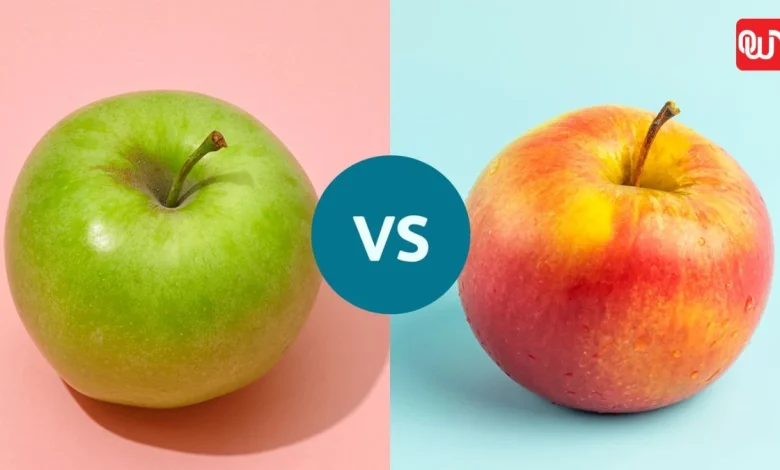
Green vs Red Apples: A Detailed Nutritional Breakdown
Green vs Red Apples comparisons have sparked curiosity among health-conscious eaters for years. Apples have long been considered one of the healthiest everyday fruits, packed with vitamins, minerals, and antioxidants that make them a staple in diets around the world. But the debate continues: green apples vs. red apples — which is healthier and more nutritious? While both varieties offer impressive benefits, the differences in taste, texture, and nutritional makeup make each uniquely suited for specific health goals. Understanding these distinctions can help you choose the best apple for your lifestyle.
Nutritional Profile: How Green and Red Apples Compare
At first glance, green and red apples may look similar in size and shape, but a closer look reveals subtle — yet important — nutritional differences.
Calories and Sugar Content
Green apples, especially the popular Granny Smith variety, tend to have fewer calories and lower sugar levels than their red counterparts. A medium green apple contains roughly 95 calories and has a sharper, more tart flavor due to its reduced natural sugar content. This makes green apples a great choice for those monitoring blood sugar, people with diabetes, or individuals trying to reduce their calorie intake.
Red apples, such as Red Delicious or Fuji, typically contain more natural sugars, giving them a sweeter taste. Although they may be slightly higher in calories, the difference is minimal. A medium red apple averages around 100–105 calories, still very much in the category of low-calorie fruits.
Fiber and Digestive Benefits
Both green and red apples are excellent sources of dietary fiber, particularly pectin — a type of soluble fiber known to improve digestion and support gut health. However, green apples often contain slightly more fiber, which is why many nutritionists recommend them for digestive issues or weight loss plans. Fiber not only supports smooth digestion but also promotes satiety, helping you feel full longer.
Antioxidants, Vitamins, and Mineral Content
Antioxidant Power
The most striking nutritional difference lies in antioxidant content. Red apples are rich in anthocyanins, the pigments that give them their deep red color. These antioxidants are known to support heart health, reduce inflammation, and protect cells from oxidative stress. Green apples contain antioxidants as well, but their levels are not as high as those found in red apples.
Read More : Why Your Stomach Feels Bloated During Periods, Gynaecologist Explains
Vitamin and Mineral Breakdown
Both varieties offer a similar range of vitamins and minerals, including:
- Vitamin C (boosts immunity)
- Vitamin A (supports eye and skin health)
- Potassium (helps maintain heart and muscle function)
Green apples sometimes have a slight edge when it comes to vitamin K, which plays a role in bone health and blood clotting. Red apples tend to be higher in polyphenols, which further enhance their antioxidant profile.
Which Apple Supports Better Health?
The answer depends on your health priorities:
For Weight Loss or Blood Sugar Control: Choose Green Apples
The lower sugar content and higher fiber levels make green apples ideal for:
- Diabetics
- People with insulin resistance
- Those trying to reduce sugar consumption
- Anyone following a calorie-controlled diet
Read More : Cell-Based Therapy for COPD Patients: Benefits, Risks and Expert Insights
For Heart Health and Immunity: Choose Red Apples
Rich antioxidants found in red apples offer stronger protection for:
- Cardiovascular health
- Inflammation reduction
- Immune system strength
- Cell protection
When comparing green vs red apples, both varieties are nutritious and offer health-boosting benefits. Green apples stand out for their lower sugar content, digestive advantages, and suitability for weight management. Red apples, however, shine with their powerful antioxidant profile, sweeter taste, and heart-friendly nutrients.
We’re now on WhatsApp. Click to join.
Like this post?
Register at One World News to never miss out on videos, celeb interviews, and best reads.