
What Is Ebola? Symptoms, Causes, Treatment And Everything You Need To Know
Learn about Ebola symptoms, causes, treatment, prevention, transmission, and survival rates in this complete Ebola virus guide.

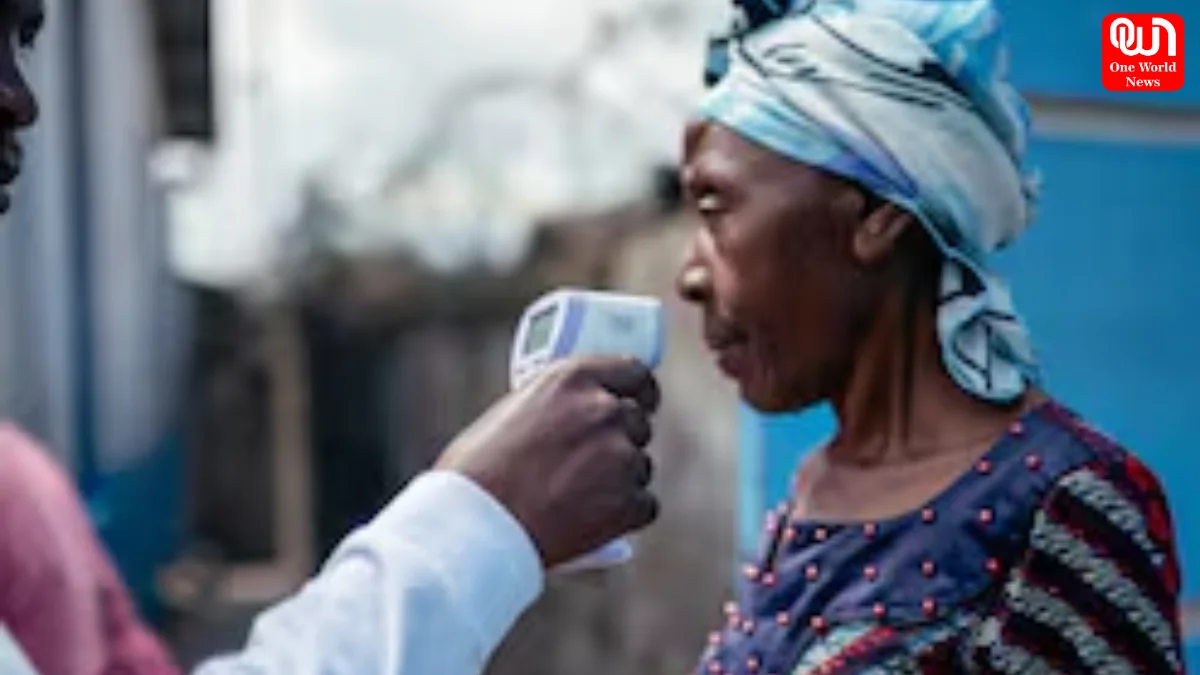
Ebola Symptoms Explained: What Is Ebola, Its Causes, Early Warning Signs, Treatment, Prevention, and Everything You Need To Know
What Is Ebola?
Ebola is a rare but deadly viral disease that affects humans and primates. It is caused by the Ebola virus and can lead to severe bleeding, organ failure, and death if not treated quickly. Ebola was first discovered in 1976 near the Ebola River in the Democratic Republic of Congo, from which the disease gets its name.
The virus spreads through direct contact with infected body fluids such as blood, sweat, saliva, vomit, urine, or semen. Ebola outbreaks mostly occur in parts of Africa, but the disease has gained global attention because of its high fatality rate and rapid spread during outbreaks.
Ebola Symptoms
Ebola symptoms usually appear between 2 to 21 days after exposure to the virus. Early Ebola symptoms can look similar to flu or malaria, making diagnosis difficult in the beginning.
Early Ebola Symptoms
- High fever
- Severe headache
- Muscle pain
- Fatigue and weakness
- Sore throat
- Joint pain
Read more: World Lung Cancer Day 2026: Raising Awareness for Early Detection and Better Lung Health
Advanced Ebola Symptoms
As the disease progresses, symptoms become more severe and dangerous. These may include:
- Vomiting
- Diarrhea
- Stomach pain
- Skin rash
- Red eyes
- Internal and external bleeding
- Difficulty breathing
- Chest pain
- Seizures in severe cases
According to health experts, unexplained bleeding is one of the most serious Ebola symptoms and requires immediate medical attention.
What Causes Ebola?
Ebola is caused by infection with viruses from the Orthoebolavirus family. Scientists believe fruit bats are the natural hosts of the virus. Humans can become infected through contact with infected wild animals like bats, monkeys, or chimpanzees.
Once a person becomes infected, the virus spreads from human to human through:
- Blood and body fluids
- Contaminated needles or medical equipment
- Physical contact with infected people
- Unsafe burial practices
Healthcare workers and family members caring for infected patients are at high risk if proper protective equipment is not used.
How Ebola Is Diagnosed
Doctors diagnose Ebola using laboratory tests that detect the virus in blood samples. Since Ebola symptoms are similar to diseases like malaria and typhoid, testing is important for confirmation.
Common diagnostic methods include:
- PCR testing
- Antibody tests
- Virus isolation tests
Early diagnosis improves survival chances and helps prevent further spread of the disease.
Ebola Treatment
There is no universal cure for Ebola, but early treatment significantly improves survival rates. Patients are usually treated in isolation units to stop the spread of infection.
Common Ebola Treatments
- Intravenous (IV) fluids to prevent dehydration
- Oxygen therapy
- Blood pressure support
- Antiviral medications
- Blood transfusions in severe cases
Supportive medical care remains the most effective treatment for Ebola patients. Some vaccines and treatments are approved for specific strains of the Ebola virus.
read more: The First Reaction Shapes Everything That Follows
How To Prevent Ebola
Preventing Ebola requires strict hygiene and infection-control practices. Public health organizations like World Health Organization and Centers for Disease Control and Prevention recommend the following safety measures:
- Wash hands frequently
- Avoid contact with infected body fluids
- Do not handle dead wild animals
- Wear protective clothing in outbreak areas
- Avoid unsafe burial practices
- Take Ebola vaccines if recommended
Vaccination has become an important tool for controlling outbreaks in high-risk regions.
Ebola Survival Rate
The survival rate depends on how quickly treatment begins and the type of Ebola virus involved. According to the WHO, Ebola fatality rates have ranged from 25% to 90% in past outbreaks. Early medical care greatly improves the chances of recovery.
Final Thoughts
Ebola remains one of the world’s most dangerous infectious diseases, but awareness, early diagnosis, vaccination, and proper treatment can save lives. Understanding Ebola symptoms, causes, and prevention methods is essential for controlling outbreaks and protecting communities worldwide. Staying informed and following health guidelines can reduce the risk of infection and improve public safety.
We’re now on WhatsApp. Click to join.
Like this post?
Register at One World News to never miss out on videos, celeb interviews, and best reads.