
Brain Fog Or Mental Burnout? Why Your Mind Goes Blank Multiple Times a Day
Explore Brain Fog Or Mental Burnout, why your mind goes blank daily, and how to recognize, manage, and overcome cognitive fatigue.

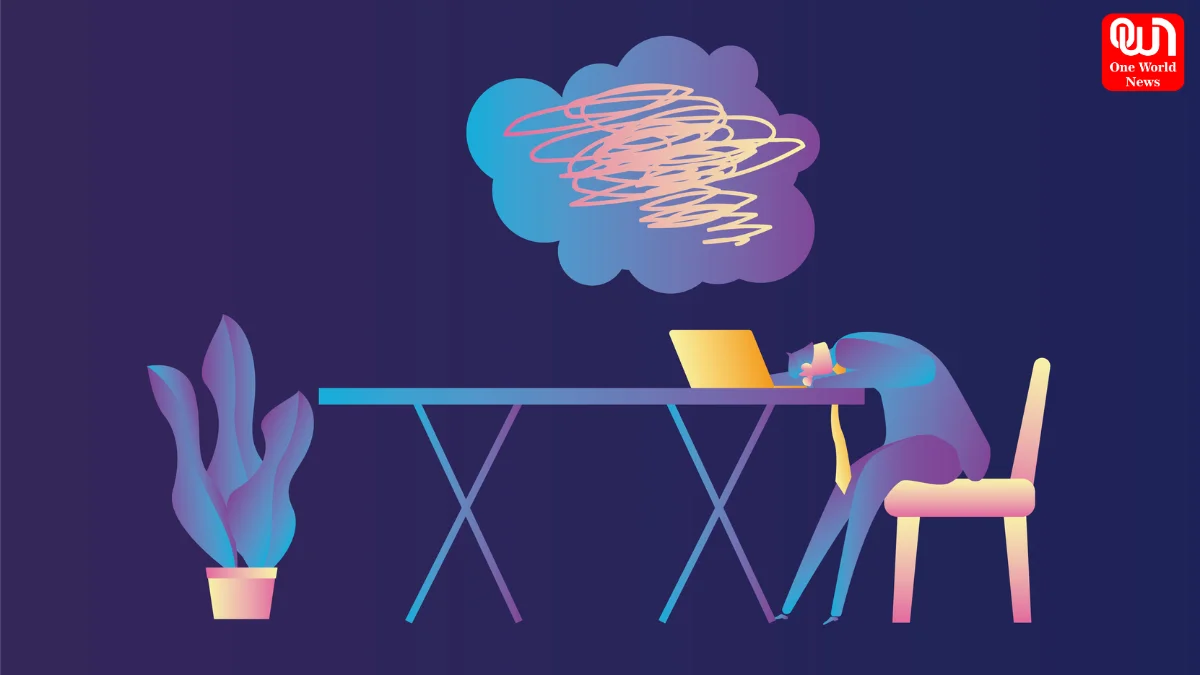
Brain Fog Or Mental Burnout: Understanding Why Your Mind Goes Blank Multiple Times a Day and How to Cope
January 30, 2026 — Have you ever walked into a room and forgotten why you went there? Or found yourself staring at your screen, unable to think of a single word? You’re not alone. Many people experience moments when their mind goes blank multiple times a day — a phenomenon often linked to Brain Fog Or Mental Burnout.
While occasional forgetfulness happens to everyone, persistent cognitive lapses can signal deeper issues related to stress, exhaustion, or lifestyle imbalance. Today, we break down the science behind mental fatigue, how to distinguish between brain fog and burnout, and practical steps to regain clarity and focus.
What Is Brain Fog?
Brain fog is not a medical diagnosis, but it is a commonly used term for feelings of confusion, forgetfulness, and lack of mental clarity. People often describe it as “fuzzy thinking” or “cognitive haze.” It can feel like your brain is slower than usual, making even simple tasks seem difficult.
Common symptoms of brain fog include:
-
Difficulty concentrating
-
Trouble remembering names or details
-
Feeling mentally sluggish or overwhelmed
-
Inability to focus on tasks
Brain fog can arise from various causes, including lack of sleep, poor nutrition, dehydration, or chronic stress. Hormonal changes, medication side effects, and certain medical conditions can also contribute.
What Is Mental Burnout?
Mental burnout is closely related but distinct from brain fog. Burnout is a state of emotional, mental, and often physical exhaustion brought on by prolonged or repeated stress, especially work-related or caregiving responsibilities.
Unlike occasional brain fog, burnout is more chronic and can affect your overall well-being. It often includes:
-
Feeling overwhelmed or emotionally drained
-
Reduced motivation and accomplishment
-
Increased irritability or detachment
-
A sense of exhaustion that doesn’t go away with rest
While brain fog is mainly cognitive, burnout affects emotions, motivation, and perception of self-efficacy.
Brain Fog Or Mental Burnout — What’s the Difference?
It can be tricky to tell whether you’re experiencing brain fog or mental burnout, especially because they overlap. However, a key difference lies in duration and context:
-
Brain fog is often temporary and linked to specific triggers like poor sleep or dehydration. It might clear up after rest or lifestyle adjustments.
-
Burnout tends to build over time and affects many areas of life — work performance, emotional stability, and overall energy.
In simple terms, brain fog affects your thinking clarity, while burnout affects your capacity to cope and function.
Why Your Mind Goes Blank
If your mind goes blank multiple times a day, several factors could be involved:
1. Chronic Stress
When stress hormones like cortisol remain elevated, they can impair memory and decision-making abilities. The brain becomes preoccupied with stress responses rather than focusing on current tasks.
2. Sleep Deprivation
Sleep plays a crucial role in cognitive function. Inadequate sleep disrupts memory consolidation and attention systems, leading to mental haziness.
Read more: World Homeopathy Day 2026: Celebrating Homeopathy and Its Contributions
3. Poor Nutrition
The brain needs glucose and essential nutrients to function. Diets high in sugar and processed foods can spike blood sugar and lead to energy crashes, which affect focus.
4. Dehydration
Even mild dehydration can reduce cognitive performance. When your body lacks fluids, brain function slows down.
5. Overwork and Information Overload
Constant multitasking or overexposure to screens can exhaust the prefrontal cortex — the part of the brain responsible for planning, focus, and impulse control.
Practical Ways to Fight Brain Fog and Burnout
Whether your mental blankness stems from brain fog, burnout, or both, the good news is there are actionable steps you can take.
Prioritize Sleep
Aim for 7–9 hours of quality sleep per night. Establish a bedtime routine, reduce screen time before bed, and optimize your sleep environment for darkness and quiet.
Manage Stress
Incorporate stress-reducing practices such as meditation, deep breathing, journaling, or spending time in nature. Even short breaks throughout the day can reset your focus.
Eat Brain-Friendly Foods
Choose foods rich in antioxidants, omega-3 fatty acids, and whole grains. Berries, leafy greens, nuts, fish, and legumes support brain health and steady energy levels.
Stay Hydrated
Drink water consistently throughout the day. Herbal teas and infused water can make hydration more enjoyable.
Set Boundaries
If burnout is a concern, reevaluate work-life balance. Say no to unnecessary commitments, delegate tasks when possible, and schedule downtime just like appointments.
Take Tech Breaks
Unplugging from screens periodically helps reduce cognitive overload. Try “phone-free” blocks of time to give your brain space to recharge.
When to Seek Professional Help
If your symptoms persist despite lifestyle changes, it may be worth consulting a healthcare professional. Persistent brain fog can sometimes signal underlying conditions such as thyroid issues, vitamin deficiencies, or mental health disorders like anxiety and depression.
Read more: Transcendental Meditation: Making Space for Calm in a Busy World
A healthcare provider can help identify root causes and recommend tailored interventions.
Final Thoughts
Experiencing moments when your mind goes blank multiple times a day can be frustrating, but it’s often a signal that your brain needs support — not judgment. Whether it’s Brain Fog Or Mental Burnout, understanding the difference and taking proactive steps can help you regain clarity, focus, and overall cognitive well-being.
Remember, the mind functions best when rest, nourishment, and balance are valued just as much as productivity.
We’re now on WhatsApp. Click to join.
Like this post?
Register at One World News to never miss out on videos, celeb interviews, and best reads.