Trump’s Deadline For Strikes On Iran Over Strait Of Hormuz Blockade: Tuesday 8 PM Eastern Time
Trump’s Deadline For Strikes On Iran over Strait Of Hormuz blockade nears Tuesday 8 PM ET, raising fears of war and oil supply disruption.

Trump’s Deadline For Strikes On Iran Over Strait Of Hormuz Blockade: Why Tuesday 8 PM Eastern Time Could Trigger Major Conflict
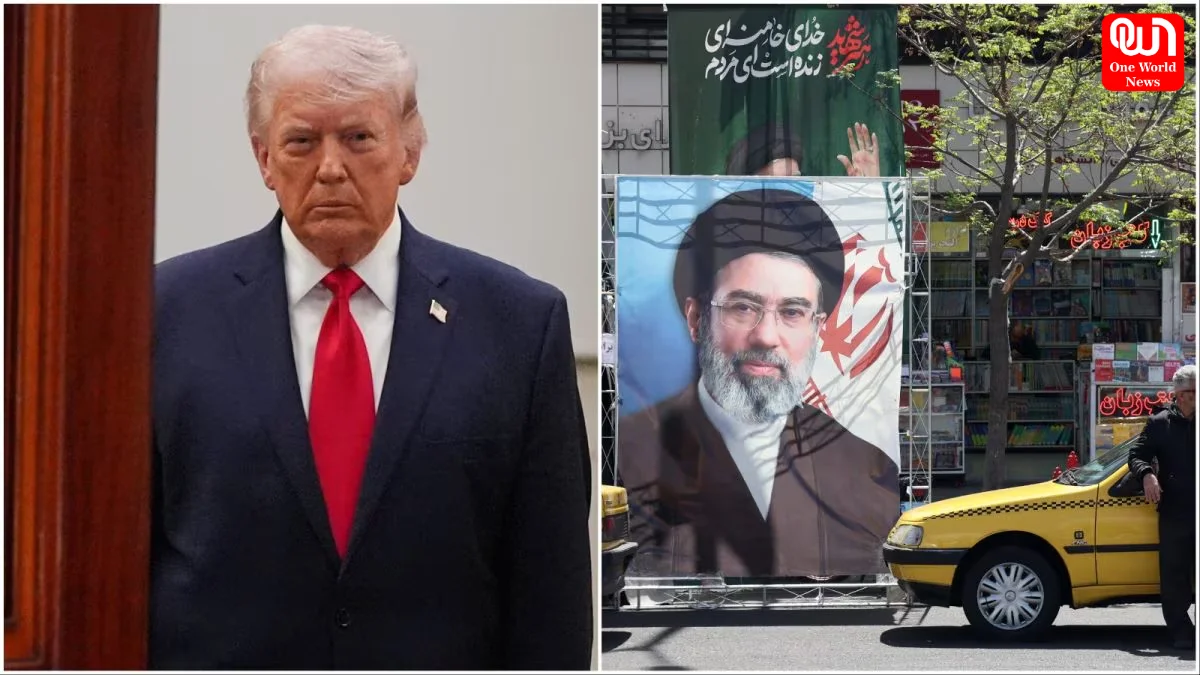
Tensions in the Middle East have sharply escalated after Donald Trump issued a dramatic ultimatum to Iran: reopen the Strait Of Hormuz by Tuesday, 8 PM Eastern Time, or face potential U.S. military strikes. This deadline—now widely referred to as Trump’s Deadline For Strikes On Iran—has become a focal point of global concern, with geopolitical, economic, and military consequences hanging in the balance.
According to multiple reports, Trump warned that failure to comply would result in targeted attacks on Iranian infrastructure, including power plants and bridges. His messaging, delivered through interviews and social media, emphasized urgency and left little ambiguity about the seriousness of the threat.
Why the Strait Of Hormuz Matters
The Strait Of Hormuz is one of the most strategically important waterways in the world. Roughly 20% of global oil supply passes through this narrow channel connecting the Persian Gulf to the Arabian Sea.
Since late February 2026, Iran has effectively restricted or blocked access to the strait following U.S. and Israeli military actions. This has caused a dramatic drop in tanker traffic and sent oil prices soaring globally.
The blockade is not just a regional issue—it directly impacts global economies, fuel prices, and energy security. Countries heavily dependent on oil imports, including India, have been closely monitoring the situation as disruptions continue.
Trump’s Escalating Warnings
Trump’s latest warning is not an isolated statement. Over the past weeks, he has repeatedly issued deadlines and threats aimed at forcing Iran to reopen the strait. However, the Tuesday 8 PM Eastern Time deadline stands out due to its precision and urgency.
Reports indicate that Trump has threatened to unleash “hell” on Iranian infrastructure if the blockade continues. His rhetoric has intensified, signaling a possible shift from pressure tactics to direct military action.
At the same time, he has hinted that diplomatic solutions are still possible—but only if Iran acts quickly. This dual messaging has created uncertainty: is this a final warning, or another negotiating tactic?
Read more: Namit Malhotra Rejects ₹700 Crore OTT Deal: Ramayana Buzz & Sunny Leone’s Big US Break
Iran’s Response and Rising Risks
Iran has strongly rejected Trump’s ultimatum, calling it reckless and dangerous. Officials have warned that any U.S. strikes would trigger severe retaliation across the region.
The situation is already volatile. Drone and missile attacks have been reported across the Gulf region, and military activity has intensified. Both sides appear to be preparing for escalation, even as diplomatic channels remain uncertain.
Experts warn that any strike on Iranian infrastructure could ignite a broader regional war, involving multiple countries and disrupting global trade routes.
Global Economic Impact
The stakes extend far beyond military conflict. The Strait Of Hormuz blockade has already caused oil prices to surge above $100 per barrel, with ripple effects across global markets.
If Trump follows through on his deadline, the consequences could include:
- Further spikes in oil and gas prices
- Disruptions to global shipping and supply chains
- Economic instability in energy-dependent nations
- Increased inflation worldwide
For everyday consumers, this could translate into higher fuel prices and increased cost of living.
A Pattern of Deadlines?
Some analysts have pointed out that Trump has issued similar ultimatums before, sometimes extending deadlines without immediate action.
This raises an important question:
Will Tuesday 8 PM Eastern Time mark real military action—or another delay?
While past behavior suggests flexibility, the current situation appears more intense, with ongoing military operations and rising casualties increasing pressure for decisive action.
What Happens Next?
As the clock ticks toward Tuesday evening, the world is watching closely. The outcome of Trump’s Deadline For Strikes On Iran could shape the future of the Middle East and global energy markets.
Three scenarios remain possible:
- Iran reopens the Strait Of Hormuz – easing tensions and avoiding conflict
- Diplomatic breakthrough – a last-minute deal delays escalation
- U.S. military strikes begin – triggering a wider regional conflict
Each scenario carries significant consequences, but the third could redefine global geopolitics overnight.
Read more: Arijit Singh Birthday 2026: Celebrating the Voice That Defined a Generation
Conclusion
The phrase “Tuesday. 8 PM. Eastern Time” has become more than just a deadline—it represents a potential turning point in international relations. With the Strait Of Hormuz blockade at the center and Trump’s Deadline For Strikes On Iran looming, the next few hours could determine whether the world moves toward diplomacy or deeper conflict.
All eyes are now on Iran’s next move—and whether this deadline will hold.
We’re now on WhatsApp. Click to join.
Like this post?
Register at One World News to never miss out on videos, celeb interviews, and best reads.