Iran Claims Missile And Drone Strike Destroyed US Command Building In Bahrain
Iran claims its missile and drone strike destroyed a US command building at a Bahrain air base, part of escalating regional tensions.

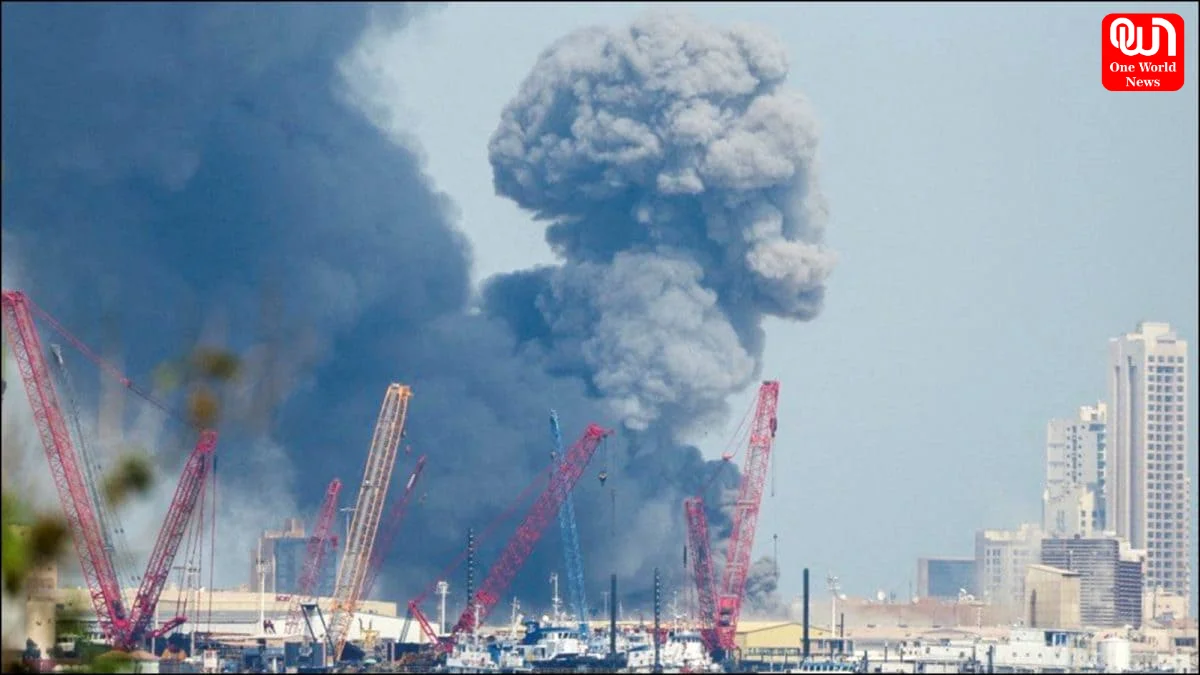
Iran Claims Missile And Drone Strike Destroyed US Command Building In Bahrain
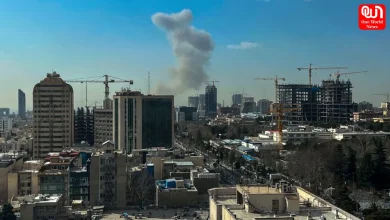
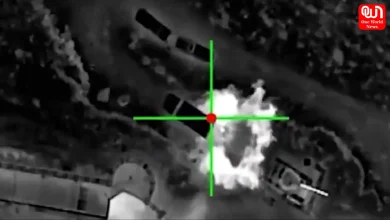
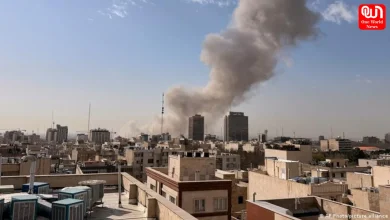
Iran has claimed that a coordinated missile and drone operation targeted and destroyed a United States command building in Bahrain, marking a significant escalation in already heightened tensions across the Middle East. The announcement, made through Iranian state-linked media channels, described the strike as a “strategic response” to recent regional developments.
According to Iranian officials, the operation involved precision-guided missiles and unmanned aerial vehicles aimed at what they described as a US military command facility located in Bahrain. The claim quickly drew international attention, as Bahrain hosts key US naval assets, including the US Navy’s Fifth Fleet, making it one of Washington’s most strategically important bases in the Gulf region.
Rrad motr: Political Roundup: Parliament Tensions, Election Push and Global Talks
Conflicting Narratives Emerge
While Iran claims the missile and drone strike successfully destroyed a US command building, US defense officials have not confirmed the extent of the alleged damage. Initial statements from American authorities suggested that regional air defense systems were activated in response to aerial threats, but details remain limited.
Bahraini authorities also have not issued a detailed public confirmation regarding structural damage. Analysts caution that in rapidly evolving conflict situations, information from both sides may be influenced by strategic messaging.
The incident underscores the growing complexity of military signaling in the region, where claims of strikes and counter-strikes often form part of broader geopolitical maneuvering.
Strategic Importance of Bahrain
Bahrain plays a central role in US military operations in the Gulf. The presence of American naval forces there allows the United States to monitor maritime routes, protect shipping lanes, and respond quickly to regional crises. Any confirmed strike on US infrastructure in Bahrain would represent a serious escalation with potential global ramifications.
The Gulf region remains a critical corridor for global energy supplies, and instability there can immediately affect international markets and diplomatic relations.
Rising Regional Tensions
The reported strike comes amid a period of rising friction between Iran and the United States, as well as between Iran and several regional actors. In recent months, tensions have flared over military activities, proxy conflicts, and strategic alliances across the Middle East.
Iran has frequently used missile and drone capabilities to project power beyond its borders, demonstrating advancements in unmanned aerial systems and long-range strike technology. Military experts note that drone warfare has increasingly become a central feature of modern regional conflicts.
The claim of a missile and drone strike targeting US assets signals Tehran’s willingness to assert its capabilities, whether as deterrence or retaliation.
Global Reactions
International responses to Iran’s claim have been measured but cautious. Governments across Europe and Asia are closely monitoring developments, emphasizing the need to prevent further escalation.
Security analysts warn that even unverified or exaggerated claims can heighten tensions and trigger retaliatory actions. The risk of miscalculation remains high in an environment where multiple military forces operate in close proximity.
Energy markets and financial sectors are also watching carefully, as instability in the Gulf often leads to fluctuations in oil prices and investor confidence.
What Happens Next?
The coming days are likely to bring further clarity regarding the extent of damage, if any, to US facilities in Bahrain. Satellite imagery, independent verification, and official statements will play a critical role in confirming the facts.
Read more: Latest Update on Gold Price and Silver Today in the Indian Bullion Market
Diplomatic channels may also become more active, as regional powers seek to prevent the situation from spiraling into a broader confrontation. Historically, periods of heightened rhetoric in the Gulf have sometimes been followed by de-escalation efforts behind the scenes.
For now, Iran’s claim that its missile and drone strike destroyed a US command building in Bahrain has added another layer of uncertainty to an already volatile regional landscape.
As global powers assess the situation, the focus remains on preventing further escalation while maintaining strategic stability in one of the world’s most sensitive geopolitical regions.
We’re now on WhatsApp. Click to join.
Like this post?
Register at One World News to never miss out on videos, celeb interviews, and best reads.