Iran Ceasefire Proposal Accepted By US: Inside the 10-Point Deal That Led to a Two-Week Truce
Iran Ceasefire Proposal Accepted By US: Explore the 10-point plan behind the 2-week truce, key demands, and global impact.


Iran Ceasefire Proposal Accepted By US Explained: Inside Tehran’s 10-Point Plan Behind the Two-Week Diplomatic Deal
Iran Ceasefire Proposal Accepted By US: Explore the 10-point plan behind the 2-week truce, key demands, and global impact.
The Iran Ceasefire Proposal Accepted By US marks a critical turning point in rising tensions between Washington and Tehran. After weeks of escalating conflict and threats of large-scale military strikes, both nations agreed to a two-week ceasefire, creating a narrow window for diplomacy and de-escalation.
This temporary truce was not spontaneous—it was driven by a detailed 10-point proposal submitted by Iran, which U.S. officials described as a “workable basis” for negotiations.
What Triggered the Ceasefire Deal?
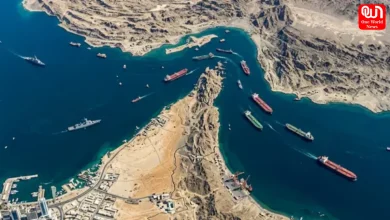
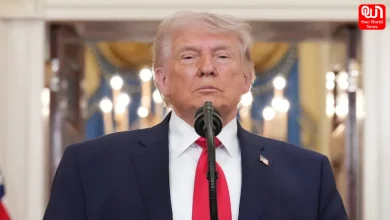
The ceasefire came just hours before a U.S. deadline for major military escalation. President Donald Trump agreed to pause attacks on the condition that Iran reopen the Strait of Hormuz, a crucial global oil route.
This strategic waterway carries a significant portion of the world’s energy supply, making its closure a global economic threat. Iran’s willingness to reopen it became a key bargaining chip in securing the deal.
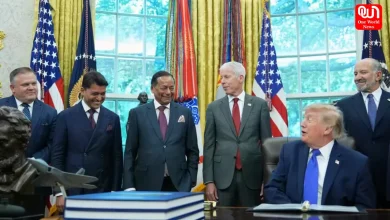
Mediation efforts led by Pakistan also played a vital role, helping both sides avoid immediate conflict and move toward negotiations.
Inside Iran’s 10-Point Ceasefire Proposal
The Iran Ceasefire Proposal Accepted By US is centered around a comprehensive 10-point framework designed to reshape regional dynamics. While not all details are officially confirmed, major elements include:
1. Immediate Ceasefire on All Fronts
Iran demanded a halt to military operations across the region, including conflicts involving allied groups.
2. Reopening the Strait of Hormuz
A critical condition for the U.S., ensuring safe and continuous global oil supply.
3. Lifting of U.S. Sanctions
Iran pushed for the removal of both primary and secondary sanctions that have crippled its economy.
4. Release of Frozen Iranian Assets
Tehran requested access to billions of dollars held abroad.
5. U.S. Military Withdrawal from the Region
One of the most controversial demands, signaling Iran’s long-term strategic goal.
6. Recognition of Iran’s Regional Role
Including influence over key geopolitical zones like the Strait of Hormuz.
7. War Reparations
Iran sought compensation for damages caused during the conflict.
8. Security Guarantees
Assurances against future U.S. or allied attacks.
9. Nuclear Program Continuity
Iran insisted on continuing uranium enrichment under its own terms.
10. UN-Backed Agreement
A binding international resolution to ensure compliance from all sides.
Read more: Amaravati Officially Andhra Pradesh Capital After 12 Years of Bifurcation
Why Did the US Accept the Proposal?
Although the U.S. has not formally accepted every condition, it agreed to use the proposal as a framework for negotiations, leading to the temporary ceasefire.
Several factors influenced this decision:
- Avoiding Immediate War: The U.S. was close to launching major strikes, which could have triggered a broader regional conflict.
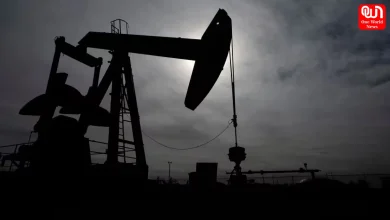
- Economic Pressure: Oil markets reacted sharply, highlighting the global stakes.
- Diplomatic Openings: International pressure from countries like Pakistan and China encouraged restraint.
Trump described the situation as a “victory,” claiming U.S. objectives had been met through the ceasefire agreement.
Global Impact of the Two-Week Deal
The Iran Ceasefire Proposal Accepted By US has already had significant global consequences:
- Oil prices dropped sharply, signaling relief in energy markets.
- Stock markets rebounded, reflecting reduced geopolitical risk.
- Regional tensions eased temporarily, though conflicts in areas like Lebanon remain uncertain.
However, experts remain skeptical. Many of Iran’s demands—especially sanctions relief and military withdrawal—are considered highly ambitious and unlikely to be fully accepted by the U.S.
What Happens After the Two Weeks?
The ceasefire is only a temporary pause, not a permanent solution. Negotiations are expected to continue, possibly in Islamabad, as both sides attempt to finalize a long-term agreement.
If talks fail, the risk of renewed conflict remains high. Iran has already warned of retaliation if provoked, while the U.S. has kept military options open.
Read more: Govt Doubles Daily Allocation Of 5-kg Free Trade LPG For Migrant Labourers Amid Supply Strain
Conclusion
The Iran Ceasefire Proposal Accepted By US represents a rare diplomatic breakthrough in a highly volatile situation. While the 10-point plan has opened the door to negotiations, it also highlights deep divisions between the two nations.
The next two weeks will be crucial. Whether this ceasefire leads to lasting peace—or merely delays further conflict—depends on how both sides navigate the complex demands laid out in Iran’s proposal.
Like this post?
Register at One World News to never miss out on videos, celeb interviews, and best reads.