Low CIBIL Score: Apply for a Loan Now or Rebuild First?
And if your CIBIL score for loan approval is what's worrying you, don't forget the small print. Processing fees, an insurance cover slipped in...

Neha’s score is 668. Her sister’s wedding is six weeks away, and the family is short by ₹4 lakh. One cousin tells her to apply right now, because somebody will say yes. Her colleague says no, wait a year and fix the score first. Each of them sounds dead certain.
So who’s right? Honestly? Neither, at least not every time. What matters is how low that 668 actually is, how quickly the cash is needed, and what happens if the bank refuses. Or agrees, but charges her a painful rate. We’ll follow Neha through the decision.
What Is Considered a Low Score?
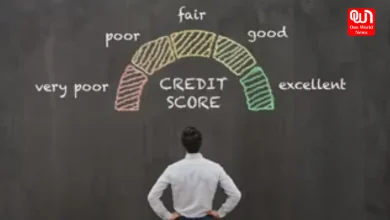
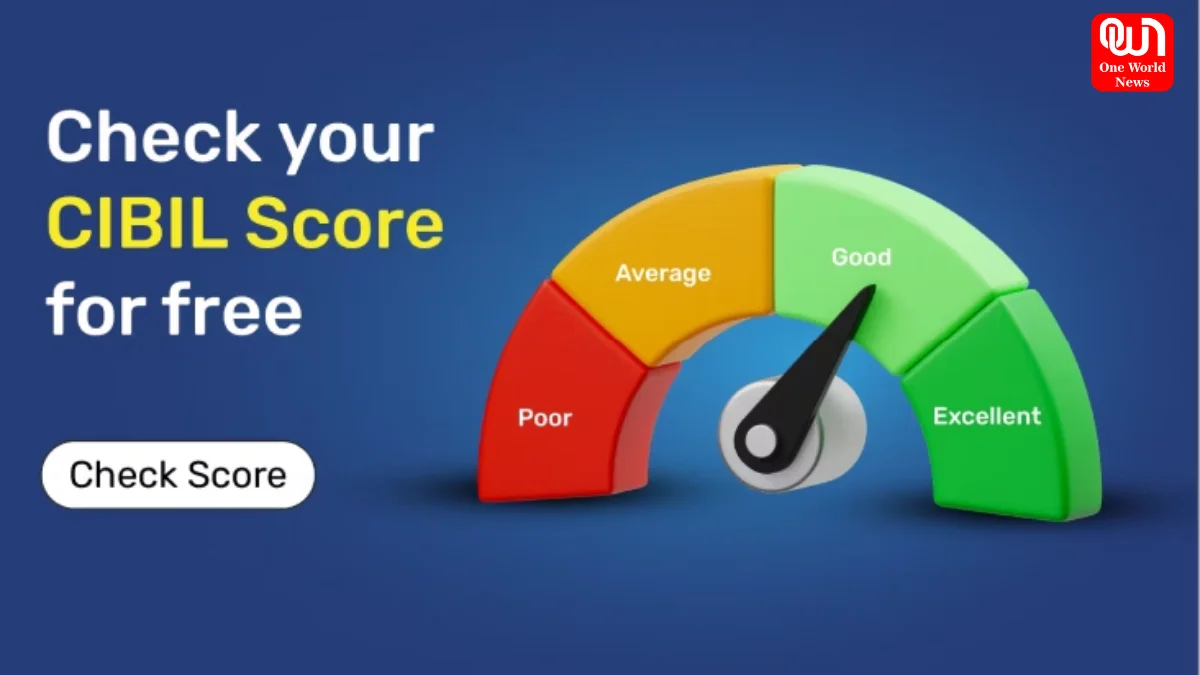
The scale is 300 to 900, as you probably know. Most lenders relax at 750 or more. TransUnion CIBIL calls that range generally good. Under it, things get fuzzy. A 700 may sail through at one lender and stall at the next. Around 650 and below, plenty of applications start hitting a wall.
There’s no universal cut-off, and that’s the part people miss. Every lender writes its own policy, and the policy changes with the product and the amount. A small personal loan might clear on a score that a big one wouldn’t. Your salary gets a look as well, plus the EMIs already leaving your account, how long you’ve held the job, even what the loan is for. So a low score isn’t always a flat no. Sometimes the offer is just smaller, that’s all. Other times the rate is steeper, or the lender asks for a co-applicant, or points you to a secured loan.
What Does Applying Now Really Cost?
Neha’s cousin had one thing right: applying is quick. What the cousin skipped was the bill that comes later, and interest is only one line on it.
Begin with the hard enquiry. Each formal application leaves one on your report, whether you’re approved or turned away. A single entry won’t hurt much. Five in two weeks looks like panic, and lenders read it that way. Then comes the price of a loan you grabbed in a hurry. Run the numbers on ₹4 lakh over 36 months. At 12% a year, she’d pay about ₹13,286 every month and roughly ₹78,000 in interest over the term. At 18% it’s about ₹14,461 a month, and the interest balloons to near ₹1.2 lakh. Same wedding, same loan, nearly ₹42,000 apart.
And if your CIBIL score for loan approval is what’s worrying you, don’t forget the small print. Processing fees, an insurance cover slipped in, a charge for closing early: these can add up quietly. The Key Fact Statement lists the annual percentage rate, so compare that, not the rate in the advertisement.
Can a Score Be Rebuilt Fast Enough?
Partly. Payment history is widely seen as the biggest factor, so Neha starts there. Any overdue bill gets cleared first. From then on, every EMI and card bill gets paid on its due date. No excuses. Her card balances come down too. People often say to stay under roughly 30% of the limit, though that’s a rule of thumb and nothing official.
Then she downloads her report and reads every line. Good thing, too. A loan she closed two years ago still shows as open. Errors like that happen more than you’d think. She raises a dispute with the lender and the bureau. The two have 30 days to settle it. Run past that, and she’s owed ₹100 for each extra day.
Still, a week won’t fix it. One thing does help. Since 1 July 2026, lenders send updates to the bureaus every week, so good habits register quicker than before. Even so, a score recovers over months. Three to six months of clean payments can make a real difference. A default or a settlement takes far longer to fade, and no bureau promises a fixed number of points.
Some things speed it up. A secured card backed by a fixed deposit gives you a payment record to build on. So does a small loan repaid on schedule. Just don’t open three at once.
Does a Lender-Specific Check Change Anything?
You’ll see people searching for a Poonawalla CIBIL check, as if one lender holds a private number for them. It doesn’t. The bureau issues one score. What differs is the policy each lender lays over it. That’s why one lender can say no, and another can say yes without either being wrong. They’re reading the same file through different rules.
Checking your own standing is free of consequences. TransUnion CIBIL gives one free score and report each calendar year, and looking at your own file is a soft enquiry that doesn’t dent the score. Many lender sites have eligibility checkers too, which show indicative offers without a hard pull. Read the consent line first. Some of them quietly pull the full report.
Read More:How to Check Your CIBIL Score Online for Free in India (2026)
How Should You Decide Between Applying Now and Waiting?
Neha asks herself five things. Can this wait a few months? Is her income steady and documented? Is her score near a lender’s range or nowhere close? Are there errors or late marks she can clear fast? And could she carry the EMI even at the higher rate?
Need the money now, and the numbers hold up? Then applying is a fair move. One lender, maybe two. She’d read every cost line before putting her name on anything. If the need can wait, and the report shows errors or recent late marks, rebuilding first tends to pay for itself.
There’s also a middle road. She could borrow less. She could bring in a co-applicant with a better record, though that person shares the liability. A loan against gold, a fixed deposit or an insurance policy often leans less on the score. The catch is that she’d be putting that asset on the line. Suppose she does take a costly loan now. She’d want to confirm that paying it off early won’t trigger a big penalty, since she may refinance once her score recovers.
The Bottom Line
So, urgent need and workable numbers? Apply, with every cost spelled out. Flexible timing and a report that can be repaired? Rebuild first.
Before choosing, open your own report. It’s free, it’s quick, and it settles which of these two roads is really yours.
We’re now on WhatsApp. Click to join.
Like this post?
Register at One World News to never miss out on videos, celeb interviews, and best reads.