Shatak: The 100-Year Journey of RSS to Be Told Through an English Film
Shatak is an upcoming English film that will portray the 100-year historical, social, and cultural journey of the RSS on a global platform.


Shatak: An English Film Set to Chronicle 100 Years of RSS and Its Historic Social and Cultural Journey
As the Rashtriya Swayamsevak Sangh approaches a historic milestone of completing 100 years, a major cinematic project has been announced to mark the occasion. Titled Shatak, the film will be made in the English language and aims to present the century-long journey of the RSS to a global audience. Through cinema, the film seeks to document the organization’s historical evolution, social role, and cultural influence over the past hundred years.
The announcement of Shatak has already generated significant interest, particularly after the release of its motion poster, which offers a glimpse into the scale and seriousness of the project.
Motion Poster Sparks Curiosity
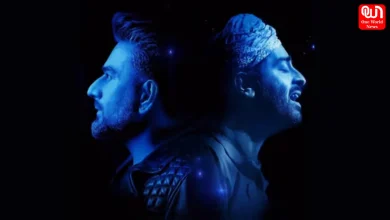
The motion poster of Shatak has played a key role in building anticipation around the film. Shortly after its release, it gained traction on social media platforms, drawing attention for its grand visual presentation. The poster highlights key phases of the RSS journey, from its early beginnings to its present-day presence, suggesting a sweeping narrative that spans generations.
According to the makers, the film is not intended to focus on isolated events alone, but rather to portray a broader historical arc that reflects the organization’s growth alongside India’s social and cultural changes.
Why Shatak Is Being Made in English
One of the most discussed aspects of Shatak is the decision to produce the film in English. The primary objective behind this choice is to take the story of the RSS beyond national boundaries. By using a global language, the filmmakers aim to reach international audiences who may not be familiar with the organization’s history or role in Indian society.
An English-language presentation allows the film to position itself on international platforms, film festivals, and academic discussions, enabling viewers worldwide to engage with India’s social history from a new perspective.
Read more: Delhi Temperature Drops to 4.2 Degrees Celsius, Season’s Coldest Morning Recorded
Purpose and Core Message of the Film
The central aim of Shatak is to showcase the 100-year journey of the RSS, highlighting themes such as discipline, service, dedication, and organizational growth. The film will explore how a small volunteer-based initiative gradually evolved into one of the world’s largest social organizations.
Through its narrative, Shatak seeks to inspire younger generations by presenting history not as distant facts, but as lived experiences shaped by individuals, ideas, and collective effort. The filmmakers emphasize that the project is meant to inform, document, and encourage dialogue rather than simply recount dates and events.
A Unique Blend of Cinema and History
Shatak is being positioned as a blend of cinema and historical documentation. Instead of functioning purely as a conventional documentary, the film is expected to adopt a docu-drama style, combining factual storytelling with cinematic presentation.
This approach allows complex historical developments to be explained in an engaging and accessible manner. The film aims to explore not only events, but also the ideas and social impact behind them, offering viewers a deeper understanding of how ideology and organization interact with society over time.
The Significance of RSS’s Centenary
The completion of 100 years by the RSS is widely viewed as a landmark moment. A centenary offers an opportunity for reflection, analysis, and historical documentation. In this context, Shatak serves as more than a film—it becomes a cultural record of a century-long journey.
The film is expected to trace how the organization adapted to changing political, social, and cultural landscapes while maintaining its core structure and discipline. This long-term perspective is what gives Shatak its historical relevance.
Why Shatak Matters Beyond Cinema
While Shatak is a cinematic project, its significance extends beyond entertainment. It aims to act as a bridge between generations, connecting contemporary audiences with historical narratives that have shaped modern India.
By presenting the story in English, the film also opens the door for global academic, cultural, and historical discussions. It positions Indian social history within a broader international context, making it accessible to researchers, students, and general audiences alike.
Read more: Iran Under Internet Blackout Amid Anti-Khamenei Protest and Deadly Clashes
Conclusion
Shatak represents an ambitious attempt to bring a century of history to the big screen in a format that resonates both nationally and internationally. The release of the motion poster has already indicated that the film will be grand in scale, serious in tone, and rich in historical content.
As the RSS enters its centenary year, Shatak stands as a cinematic effort to document, reflect, and present this long journey to the world. In the coming years, the film is likely to spark discussion not only in India, but also on global platforms interested in history, society, and culture.
We’re now on WhatsApp. Click to join.
Like this post?
Register at One World News to never miss out on videos, celeb interviews, and best reads.