Charak Movie Review: A Dark Story of Faith, Tantra, and Blind Belief
Charak Movie Review explores Sudipto Sen’s intense film on faith, tantra, and blind belief linked to the Charak festival in eastern India.

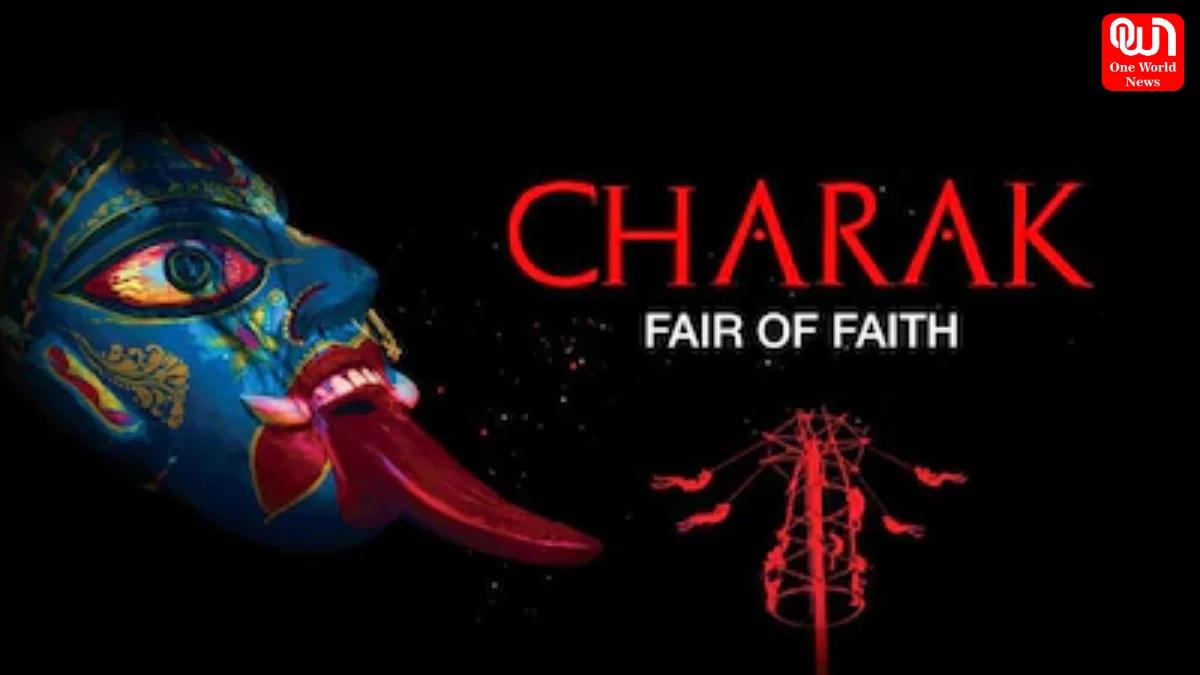
Charak Movie Review – Sudipto Sen’s Disturbing Film on Faith, Rituals, and Dangerous Superstitions in Rural India
As of March 2026, Charak Movie Review discussions have been gaining attention among audiences who prefer meaningful cinema over formula-driven entertainment. In an era dominated by box office trends and commercial masala films, creating a socially unsettling and thought-provoking film is always a risk. Yet filmmaker Sudipto Sen has repeatedly chosen bold subjects that shake viewers emotionally and intellectually.
Sudipto Sen previously directed The Kerala Story, which not only sparked debate but also achieved massive commercial success, reportedly crossing ₹300 crore at the box office. The film received praise from critics and audiences alike, though it also brought controversy and criticism from various ideological groups. Despite facing threats and backlash, Sen has continued to pursue stories that explore uncomfortable social realities.
Now his latest film Charak dives into a subject that many filmmakers hesitate to touch.
A Film That Challenged the Censor Board
The film faced significant hurdles during the certification process. According to reports surrounding the Charak Movie Review, the Central Board of Film Certification initially questioned the sensitive themes portrayed in the story. Director Sudipto Sen reportedly presented research documents and supporting material related to the festival and associated rituals to justify the film’s narrative.
Only after reviewing these materials did the board approve the film with an Adult (A) certificate. The film runs for approximately 123 minutes and deals with themes that many viewers may find disturbing, as it explores the darker aspects of faith and ritual practices.
Read more: Alia-Ranbir, Varun Dhawan, Anil Kapoor Celebrate Team India Win At T20 World Cup
The Cultural Context: The Charak Festival
The story is inspired by the Charak festival, a traditional religious event that has been observed for over a thousand years in eastern India. Historically, the festival has been celebrated across West Bengal, Bihar, Assam, Odisha, Jharkhand, and parts of southern India.
The festival typically takes place between mid-March and mid-May each year. It is associated with the worship of Goddess Kali and Lord Shiva, and devotees believe that during this time divine blessings can fulfill their wishes.
However, the festival has also been linked with extreme ritual practices, tantric traditions, and controversial customs. Over the years, critics and social activists have raised concerns about certain rituals associated with blind belief and dangerous practices.
This duality—devotion on one side and superstition on the other—forms the emotional core of the film.
Story Plot
The Charak Movie Review reveals a chilling storyline set in a remote village surrounded by high mountains and dense forests. Life in this village is shaped by poverty and hardship. Most villagers struggle financially, yet evenings often revolve around alcohol and gambling, reflecting a cycle of despair and escapism.
As the Charak festival approaches, preparations begin across the village. Tantric practitioners and wandering ascetics arrive from distant regions, setting up temporary camps for ritual activities.
Two schoolboys studying in the village school become central to the narrative. Alongside them, the village police inspector and his wife play a crucial role in the story. The inspector’s wife is a writer who has recently returned to the village after a study tour in the city.
Despite being married for twelve years, the couple has no children. Deep within the inspector’s heart lies a silent longing to become a father. As the Charak festival approaches, hope and desperation begin to intertwine.
Suddenly, two children from the village are kidnapped. What follows is a disturbing chain of events that slowly uncovers the terrifying intersection of faith, superstition, and human desperation.
The film gradually builds tension until it reaches a shocking climax that challenges the audience’s assumptions about education, modernity, and blind belief.
Performances and Direction
One of the strongest aspects highlighted in many Charak Movie Review discussions is the film’s powerful performances.
Anjali Patil, playing the role of the writer, delivers a compelling performance filled with emotional intensity. Sahidur Rahman, as the village police inspector, convincingly portrays a man torn between rational thinking and emotional vulnerability.
Read more: UK07 Rider Attempted Suicide: Anurag Dobhal’s Emotional ‘Last Vlog’ Shocks Fans
Supporting actors Subrat Dutta, Shashi Bhushan, Navneesh Neel, and Shankhadeep also bring authenticity to their roles, making the characters feel grounded and believable.
Director Shiladitya Moulik deserves credit for maintaining a tense atmosphere throughout the film. Instead of relying on artificial sets, the movie was shot in a real village in West Bengal, adding raw realism to the narrative.
Overall Verdict
This Charak Movie Review concludes that the film is not meant for viewers seeking light entertainment. Instead, it is designed for audiences who want cinema to reflect social realities and provoke serious thought.
The film challenges the common belief that superstition exists only among the uneducated or rural populations. Its climax suggests that blind belief can exist across all sections of society, regardless of education or status.
With its intense storytelling, realistic performances, and socially relevant themes, Charak succeeds in delivering a haunting cinematic experience.
Rating: 4 out of 5 stars
For viewers interested in socially conscious cinema rather than escapist entertainment, Charak is a powerful and unsettling watch.
We’re now on WhatsApp. Click to join.
Like this post?
Register at One World News to never miss out on videos, celeb interviews, and best reads.