Russia Buying Gasoline From India: How Ukrainian Drone Strikes Triggered Russia’s Fuel Crisis
Russia Buying Gasoline From India as Ukrainian drone strikes disrupt refineries. Learn why fuel shortages are rising and the global impact.

Russia Buying Gasoline From India to Tackle Fuel Shortages Triggered by Ukrainian Drone Strikes: What It Means for Global Energy Markets
Russia Buying Gasoline From India has become one of the biggest energy stories of the year as Moscow struggles to overcome severe fuel shortages caused by repeated Ukrainian drone strikes on its oil infrastructure. Once known as one of the world’s largest exporters of refined petroleum products, Russia is now turning to India for gasoline imports to stabilize domestic fuel supplies and meet growing demand.
According to industry reports, Russia has already started receiving gasoline shipments from India through sea routes. The move highlights the growing economic partnership between the two countries while also revealing the significant impact the ongoing Russia-Ukraine conflict is having on Russia’s energy sector.
Why Is Russia Buying Gasoline From India?
The primary reason behind Russia Buying Gasoline From India is the extensive damage caused to Russian oil refineries by Ukrainian drone attacks. Over recent months, Ukraine has intensified strikes on critical energy infrastructure, reducing refining capacity and disrupting domestic fuel production.
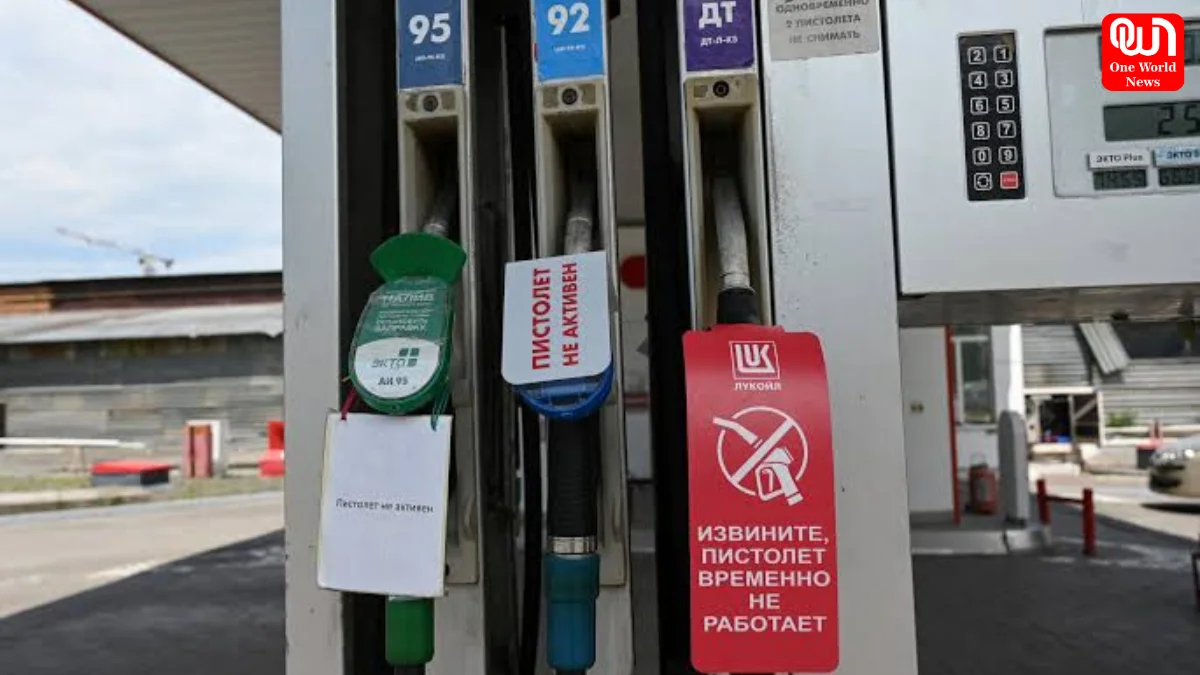
These attacks have led to:
- Fuel shortages across multiple Russian regions
- Long queues at petrol stations
- Higher gasoline prices
- Fuel rationing in several areas
- Increased pressure on the Russian government to secure alternative fuel supplies
To address the crisis quickly, Russia has started importing gasoline from India while also exploring additional supplies from neighboring countries such as Belarus.
How India Became a Key Fuel Supplier
India has emerged as one of the world’s largest refining hubs over the past decade. Its modern refineries process crude oil from various countries, including significant volumes imported from Russia itself.
Ironically, much of the crude oil purchased by India from Russia is refined into petroleum products that can now be exported back to international markets—including Russia.
Industry sources indicate that at least 60,000 metric tons of gasoline have already been dispatched from India, with multiple tanker shipments currently heading toward Russian ports. Reports also suggest Russia plans to import hundreds of thousands of tons of gasoline every month until domestic production improves.
Read more: Nayara Petrol Price Drops: Petrol, Diesel Get Cheaper at Nayara Pumps as Global Oil Prices Ease
Ukrainian Drone Strikes Continue to Pressure Russia’s Energy Sector
Ukraine has increasingly focused its military strategy on targeting Russia’s energy infrastructure rather than only battlefield positions.
Oil refineries, storage facilities, fuel depots, and transportation networks have become frequent targets. These attacks are intended to reduce Russia’s ability to supply fuel to both civilian markets and military operations.
As refining capacity declines, Russia has experienced one of its most challenging fuel supply situations in recent years. Even President Vladimir Putin has acknowledged that the drone attacks have contributed to domestic fuel shortages, although the government maintains that efforts are underway to stabilize supplies.
Impact on Global Energy Markets
The decision regarding Russia Buying Gasoline From India could have broader implications for international energy markets.
Several factors are being closely monitored by analysts:
- Increased demand for Indian refined petroleum exports.
- Potential shifts in global gasoline trade routes.
- Higher freight activity between Indian and Russian ports.
- Changes in regional fuel pricing depending on future supply availability.
- Growing strategic importance of India’s refining industry.
Although global crude oil prices have remained relatively stable so far, continued disruptions to Russian refining capacity could eventually influence fuel prices in several international markets.
Strengthening India-Russia Energy Relations
Energy cooperation between India and Russia has expanded considerably since the beginning of the Russia-Ukraine conflict.
India has significantly increased imports of discounted Russian crude oil over the past few years, making Russia one of its largest energy suppliers. Now, with Russia Buying Gasoline From India, the relationship has entered a new phase where refined petroleum products are flowing in the opposite direction.
This demonstrates how global energy supply chains continue to adapt despite geopolitical tensions and international sanctions. The arrangement also highlights India’s growing influence as a major player in global energy refining and exports.
What Happens Next?
The future of Russia Buying Gasoline From India will largely depend on developments in the ongoing conflict and the condition of Russia’s refinery network.
If Ukrainian drone strikes continue to damage refining facilities, Russia may remain dependent on imported gasoline for a longer period. However, if damaged infrastructure is repaired and domestic refining resumes normal operations, imports could gradually decline.
Energy experts also expect Russia to diversify fuel imports by sourcing additional gasoline from neighboring countries while simultaneously investing in refinery repairs and infrastructure protection. Until then, India is expected to remain an important supplier helping Russia reduce the impact of its fuel shortages.
Conclusion
The story of Russia Buying Gasoline From India reflects how modern geopolitical conflicts can reshape global energy trade almost overnight. Ukrainian drone strikes have significantly disrupted Russia’s refining capacity, forcing one of the world’s largest energy producers to import gasoline to meet domestic demand.
India’s strong refining capabilities have positioned it as a reliable supplier during this challenging period, further strengthening bilateral energy ties. As the conflict continues to evolve, global markets will closely watch whether these fuel imports remain a temporary solution or become a longer-term component of Russia’s energy strategy.
We’re now on WhatsApp. Click to join.
Like this post?
Register at One World News to never miss out on videos, celeb interviews, and best reads.