Murder, Sexual Assault: AI Surveillance Flags 2,900 People With Criminal Records at Delhi Student Protest
Delhi Police Surveillance with Facial Recognition identified 2,900 people with Criminal Records during a Student Protest at Jantar Mantar.

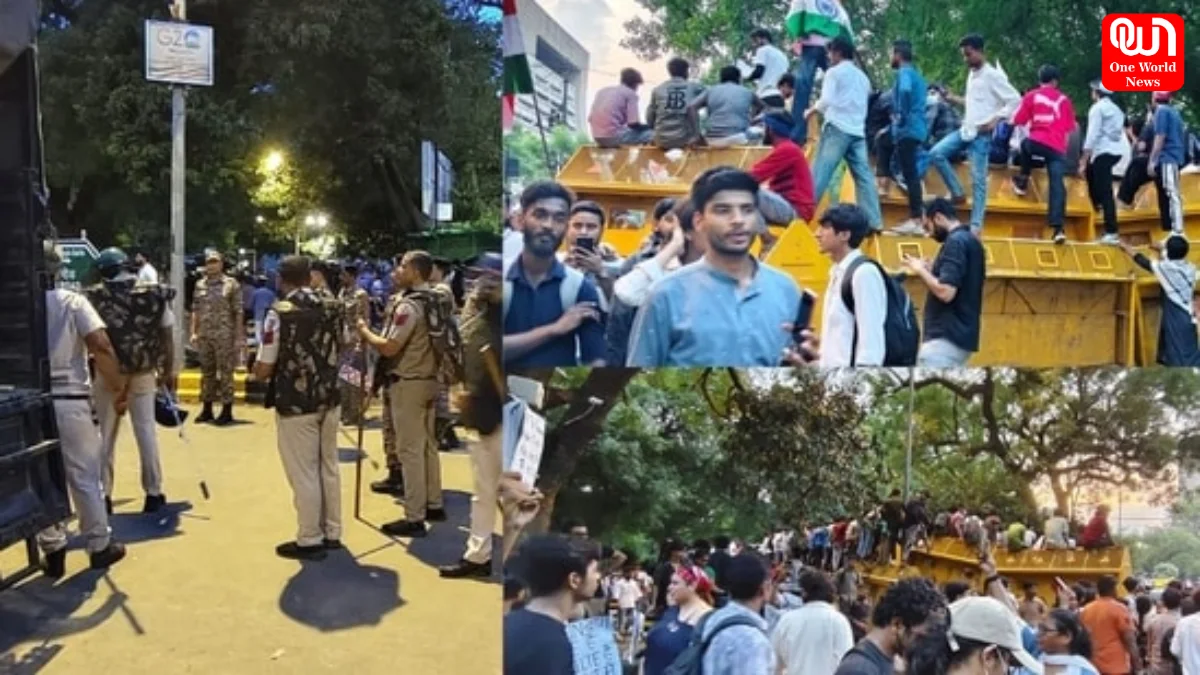
Delhi Police Surveillance Using Facial Recognition Flags Nearly 2,900 People With Criminal Records During Student Protest at Jantar Mantar
The latest Delhi Police Surveillance operation has sparked nationwide debate after authorities revealed that nearly 2,900 people with Criminal Records were identified during the ongoing Student Protest at Jantar Mantar in New Delhi. Using advanced Facial Recognition technology and AI-powered monitoring systems, police claim they detected several individuals linked to serious offences, including murder, robbery, kidnapping, sexual assault, and crimes against women and children. The development has raised questions about both Public Safety and the growing use of artificial intelligence in law enforcement.
Delhi Police Surveillance Relies on AI Technology
According to police officials, the Delhi Police Surveillance system deployed around Jantar Mantar included AI-enabled Facial Recognition cameras capable of scanning faces in real time. These cameras compared images captured at the protest site with data stored in the official Crime Database.
Authorities stated that thousands of CCTV clips, live video feeds, and surveillance footage were analysed to identify individuals attending the demonstrations. The technology was primarily introduced to maintain law and order while detecting wanted criminals, absconders, and Repeat Offenders who may attempt to blend into large public gatherings.
Nearly 2,900 People Linked to Criminal Records
Police officials reported that approximately 2,873 individuals identified through surveillance systems had previous Criminal Records. Out of these, nearly 989 people were allegedly linked to serious criminal offences.
The reported offences include:
- Murder
- Sexual assault
- Kidnapping
- Robbery and dacoity
- Crimes against women and children
- POCSO-related offences
- Arms Act and narcotics cases
Officials also claimed that many of those identified were already listed as Repeat Offenders within the police Crime Database, prompting investigators to examine whether organised criminal elements participated in the protest.
read more: India-China Border Trade to Resume After Six Years as Nathu La Pass Reopens on August 1
Student Protest at Jantar Mantar Draws Massive Crowds
The Student Protest at Jantar Mantar began over alleged examination irregularities and quickly attracted thousands of participants from across the country. While many demonstrators gathered peacefully to demand reforms, authorities reported incidents of violence, clashes with police personnel, vandalism, and damage to public property during parts of the protest.
Police maintain that the deployment of Facial Recognition technology was intended solely to enhance Public Safety by identifying individuals with existing criminal backgrounds who could pose security risks during such a large gathering.
Facial Recognition Raises Privacy Debate
Although police describe the surveillance as a necessary law enforcement measure, civil rights groups and privacy advocates have expressed concern over the extensive use of AI-powered Facial Recognition systems during public demonstrations.
Legal experts argue that continuous biometric monitoring at protests raises important questions regarding privacy, transparency, and constitutional rights. Several activists have challenged the surveillance practices, seeking greater oversight and clearer legal guidelines governing the collection and storage of facial data.
Crime Database Helps Detect Repeat Offenders
The police stated that the AI system automatically compared captured facial images against an extensive Crime Database containing photographs and criminal histories of suspects, habitual offenders, and wanted persons.
Officials believe this technology enables faster identification than manual verification and allows security personnel to respond quickly if individuals with serious Criminal Records are present in sensitive public locations.
Authorities added that the technology forms part of a broader modernisation initiative aimed at improving policing capabilities while strengthening Public Safety during high-profile events.
Balancing Security and Civil Liberties
The incident has reignited discussion about how governments should balance technological surveillance with democratic freedoms. Supporters argue that AI-powered Delhi Police Surveillance can help prevent violence and improve Public Safety by identifying dangerous Repeat Offenders before incidents escalate.
Critics, however, caution that widespread Facial Recognition at peaceful assemblies may discourage citizens from exercising their right to protest unless strict safeguards, accountability measures, and transparent regulations are introduced.
Conclusion
The use of Delhi Police Surveillance and Facial Recognition technology at the Student Protest in Jantar Mantar marks a significant step in the adoption of AI-driven policing in India. While authorities say the Crime Database helped identify nearly 2,900 people with Criminal Records, including several Repeat Offenders, the development has also intensified debates over privacy, surveillance, and civil liberties. As AI continues to reshape law enforcement, policymakers will likely face increasing pressure to ensure that technological advancements enhance Public Safety while protecting the constitutional rights of citizens.
We’re now on WhatsApp. Click to join.
Like this post?
Register at One World News to never miss out on videos, celeb interviews, and best reads.