28 July Political Update: NEET UG 2026 Protest Controversy, Student Movement, FIR Debate & Abhijeet Dipke’s US Departure
28 July Political Update: Latest on NEET UG 2026 protests, FIR withdrawal demand, Abhijeet Dipke, student movement and political reactions.


28 July Political Update: NEET UG 2026 Paper Leak Protest Latest News, Cockroach Janta Party Deadline, FIR Withdrawal Demand, Abhijeet Dipke Leaves for US, Education Minister Resignation & Student Protest Developments
The Political Update for 28 July brings major developments in the ongoing NEET UG 2026 controversy, which has become one of India’s biggest political and education-related discussions. What began as allegations of a paper leak has now expanded into debates over student rights, peaceful protests, accountability, governance, and freedom of expression.
The issue has generated nationwide attention, with students, political leaders, education experts, and the general public expressing different opinions. Two major developments have emerged that are shaping today’s headlines. Here’s a complete Political Update on the latest events.
Student Protest Group Issues Deadline Over FIR Withdrawal
One of the biggest highlights in today’s Political Update is the announcement made by the student-led organisation known as the Cockroach Janta Party.
The group, which became one of the leading voices during nationwide protests after the alleged NEET UG 2026 paper leak, has reportedly given the government a deadline to withdraw FIRs filed against peaceful protesters and release detained students.
According to reports, the organisation believes students who participated in peaceful demonstrations should not face legal consequences. The demand has sparked fresh discussions on student rights and the government’s response to large-scale public protests.
The NEET controversy has already resulted in several major developments, including the cancellation of the original examination, the announcement of a fresh retest, the creation of a task force to recommend examination reforms, and the resignation of Union Education Minister Dharmendra Pradhan.
However, the protests also became controversial after several videos surfaced on social media allegedly showing objectionable slogans directed at Prime Minister Narendra Modi. Statements targeting the RSS also triggered political criticism from several quarters.
Reports suggest that some state governments have started withdrawing cases against selected protesters, while the central government has maintained that peaceful demonstrations should not attract unnecessary legal action.
read more: India-China Border Trade to Resume After Six Years as Nathu La Pass Reopens on August 1
Democracy, Protest Rights and Responsibility
The ongoing debate highlights an important aspect of democracy. Citizens have the constitutional right to express their concerns through peaceful protests, especially when issues directly affect their future.
At the same time, experts believe that protests should remain peaceful and respectful. When demonstrations become associated with inflammatory language or controversial actions, public attention can shift away from the original issue.
Many observers believe the primary focus should remain on improving transparency, strengthening examination systems, and rebuilding students’ trust in national competitive exams.
Abhijeet Dipke Leaves India After Leading NEET Protest Movement
The second major Political Update involves student leader Abhijeet Dipke, founder of the Cockroach Janta Party.
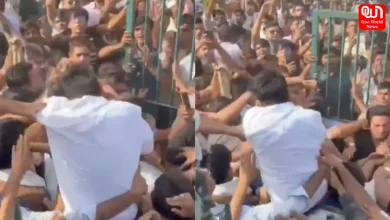
Dipke became one of the most recognised faces of the nationwide NEET protest movement after organising demonstrations that began at Delhi’s Jantar Mantar and later spread across several parts of the country.
The movement demanded accountability for the examination leak, justice for affected students, and long-term reforms in India’s examination process.
Following weeks of protests, Union Education Minister Dharmendra Pradhan resigned on 25 July 2026. Reports also indicate that the government announced compensation measures, examination reforms, and steps toward withdrawing certain legal cases against protesters.
Soon after these developments, Abhijeet Dipke reportedly travelled to the United States while recovering from typhoid, creating fresh discussions across social media platforms.
Mixed Reactions Across Social Media
Dipke’s departure has divided public opinion.
Supporters argue that he successfully highlighted students’ concerns at the national level and helped bring meaningful policy discussions. They believe his role in the movement deserves recognition.
Critics, however, question whether leaving the country immediately after achieving the movement’s objectives sends the right message, especially when many students continue to seek accountability and reforms.
The resignation of Dharmendra Pradhan has also generated varied reactions. While supporters praised several of his education initiatives, including changes in NCERT textbooks, critics viewed those reforms differently. Reports indicate that, in his resignation statement, Pradhan referred to ongoing unrest and what he described as anti-national forces.
Why This Political Update Matters
This Political Update is significant because the NEET controversy has evolved far beyond an examination issue.
It now represents broader discussions about governance, institutional accountability, student activism, public trust, law enforcement, and political responsibility. The debate has also demonstrated the growing influence of social media in shaping public opinion and political narratives.
As different viewpoints continue circulating online, experts advise citizens to rely on verified information instead of unverified claims or viral posts.
Conclusion
The Political Update on 28 July reflects how the NEET UG 2026 controversy continues to influence both education and politics in India. The demand for FIR withdrawals, the departure of Abhijeet Dipke, ongoing debates surrounding student protests, and discussions over government accountability have all become part of a much larger national conversation.
Moving forward, many believe that meaningful examination reforms, transparent investigations, and restoring public confidence in India’s education system should remain the highest priority. As the situation develops, citizens will continue watching how policymakers respond to students’ concerns while maintaining democratic values and institutional accountability.
Whether this chapter concludes with comprehensive reforms or further political developments remains to be seen, making this one of the most closely watched Political Update stories in the country.
We’re now on WhatsApp. Click to join.
Like this post?
Register at One World News to never miss out on videos, celeb interviews, and best reads