IndiGo Fuel Charges Rise: IndiGo Flights Get Costlier From Today as Aviation Turbine Fuel Prices Push Up Flight Ticket Booking Costs
IndiGo fuel charges rise as aviation turbine fuel prices climb, making domestic flight tickets costlier during festive and winter holiday travel.

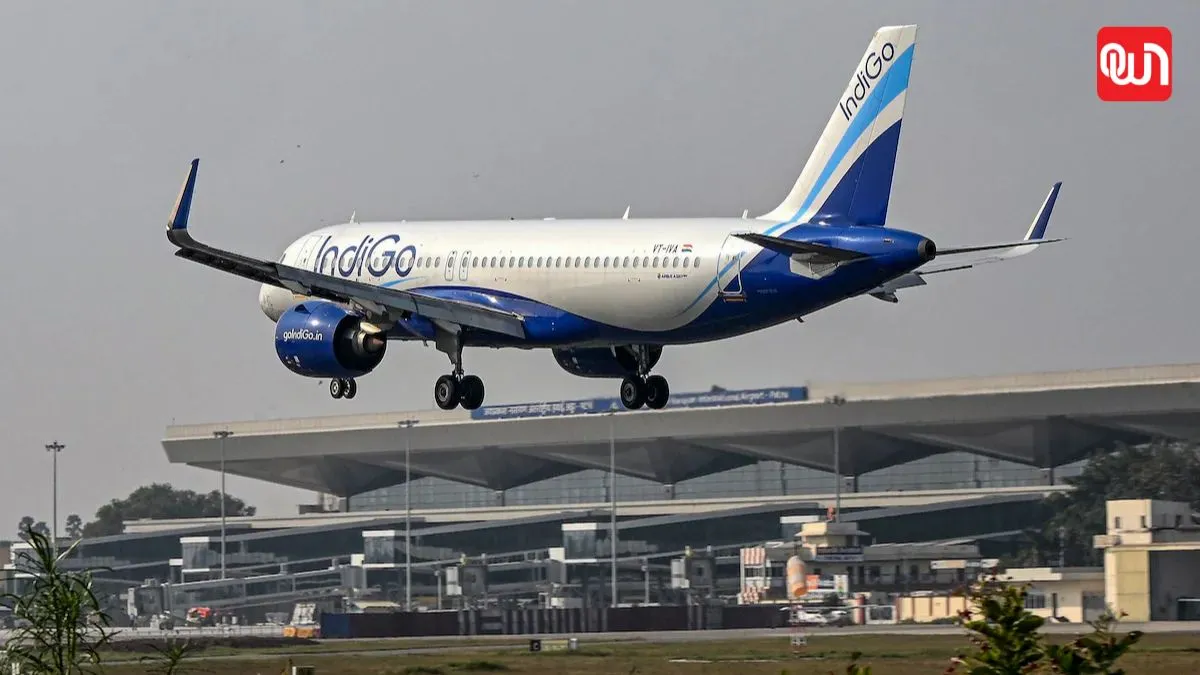
IndiGo Flights Get Costlier From Today: Here’s How Much More Your Ticket Could Cost
Air travel is set to become more expensive as IndiGo fuel charges have been revised from October 6, 2026. India’s largest airline has increased its fuel charges on both domestic and international flights following a sharp rise in Aviation Turbine Fuel (ATF) prices. The revised charges apply to new bookings made from 12:01 am on October 6, while tickets booked before the deadline remain unaffected.
The latest move comes at a time when demand for air travel is expected to increase during the festive period and upcoming winter holiday travel season. For passengers planning flight ticket booking, the new surcharge could make a noticeable difference to the final fare, particularly on longer routes.
Why Has IndiGo Increased Fuel Charges?
The primary reason behind the latest revision is the sharp increase in aviation turbine fuel prices. IndiGo said ATF prices have remained volatile in recent months, with the latest month-on-month increase exceeding 14%. The airline noted that fuel costs have reached levels among the highest seen in the past decade.
Domestic ATF prices were raised by around 13.2% from October 1, moving from approximately ₹121 per litre to ₹137 per litre. This marked the third consecutive monthly increase in ATF prices. Since jet fuel represents a major component of airline expenses, higher fuel prices directly affect airline operating costs.
How Much Will Domestic Flight Tickets Cost More?
The revised domestic flight surcharge depends on the distance travelled. Passengers flying longer distances will generally face a higher fuel charge.
Here is the new structure:
- Up to 500 km: ₹375
- 501–1,000 km: ₹600
- 1,001–1,500 km: ₹900
- 1,501–2,000 km: ₹1,150
- More than 2,000 km: ₹1,300
Previously, these charges ranged from ₹275 to ₹950. As a result, the increase is between ₹100 and ₹350 per sector, depending on the distance.
For example, a passenger travelling on a domestic route of more than 2,000 km will now pay ₹1,300 as the fuel charge compared with ₹950 earlier. This means an additional ₹350 per sector before considering other components of the airfare.
International Flyers Will Also Pay More
The latest IndiGo fuel charges are not limited to domestic routes. International passengers will also see revised charges depending on their destination.
The new charges include ₹1,000 for SAARC routes up to 500 km and ₹3,000 for longer SAARC routes. Flights to Southeast Asia, the Gulf Cooperation Council and Middle East, and North and East Asia will attract a ₹5,500 fuel charge. Africa-bound flights will have a ₹6,000 charge, while flights to Europe will carry the highest surcharge of ₹10,000.
What Does This Mean for Flight Ticket Booking?
For travellers planning flight ticket booking, the latest increase means that comparing fares before making a reservation has become even more important. While the surcharge itself is fixed according to the applicable distance or international region, the final ticket price can also vary because of taxes, demand, route availability and other airline charges.
Rrad more: Gold and Silver Prices Today, October 6: Gold Falls to ₹1,49,190 and Silver Drops to ₹2,25,290
Travellers should therefore check the complete fare rather than comparing only the base ticket price.
Festive and Winter Travel Could Become Expensive
The timing of the increase is significant because the festive travel season is approaching. Demand typically rises around major holidays, followed by increased travel during the winter vacation period. The combination of stronger demand and higher fuel expenses could put additional pressure on airfares.
For passengers planning winter holiday travel, booking early may help them avoid further fare increases caused by limited seat availability. However, actual ticket prices will continue to depend on individual routes and booking dates.
IndiGo Calls the Increase a Measured Adjustment
IndiGo has described the latest revision as a measured and relatively modest adjustment. The airline said fully offsetting the increase in fuel costs would have required a significantly larger increase in fuel charges.
The development highlights how changes in global energy prices can quickly influence airline fares. With airline operating costs under pressure, further changes in fuel prices could determine whether carriers maintain, increase or reduce their current surcharges.
Read more: Delhi Police Steps Up Security Ahead Of Anti-CEC Protests, Over 3,000 Personnel Deployed
What Should Passengers Do Now?
Passengers who have already booked their IndiGo tickets before October 6 do not need to pay the revised charge. Those planning new bookings should check the latest fare carefully before confirming their journey.
The latest ATF price hike is a reminder that airfares can change quickly, especially during periods of high demand. Travellers planning festive or winter trips should compare available options, check baggage and other additional fees, and consider booking well in advance where their travel dates are fixed.
With IndiGo fuel charges now higher, passengers can expect the cost of flying to remain closely linked to aviation fuel prices and broader operating expenses in the coming weeks.
We’re now on WhatsApp. Click to join.
Like this post?
Register at One World News to never miss out on videos, celeb interviews, and best reads.