Bombay High Court Questions Voter Deletion Under SIR Over Form 8 Applications
Bombay High Court questions Election Commission of India over SIR voter deletion, Form 8 applications, electoral rolls and address modification.

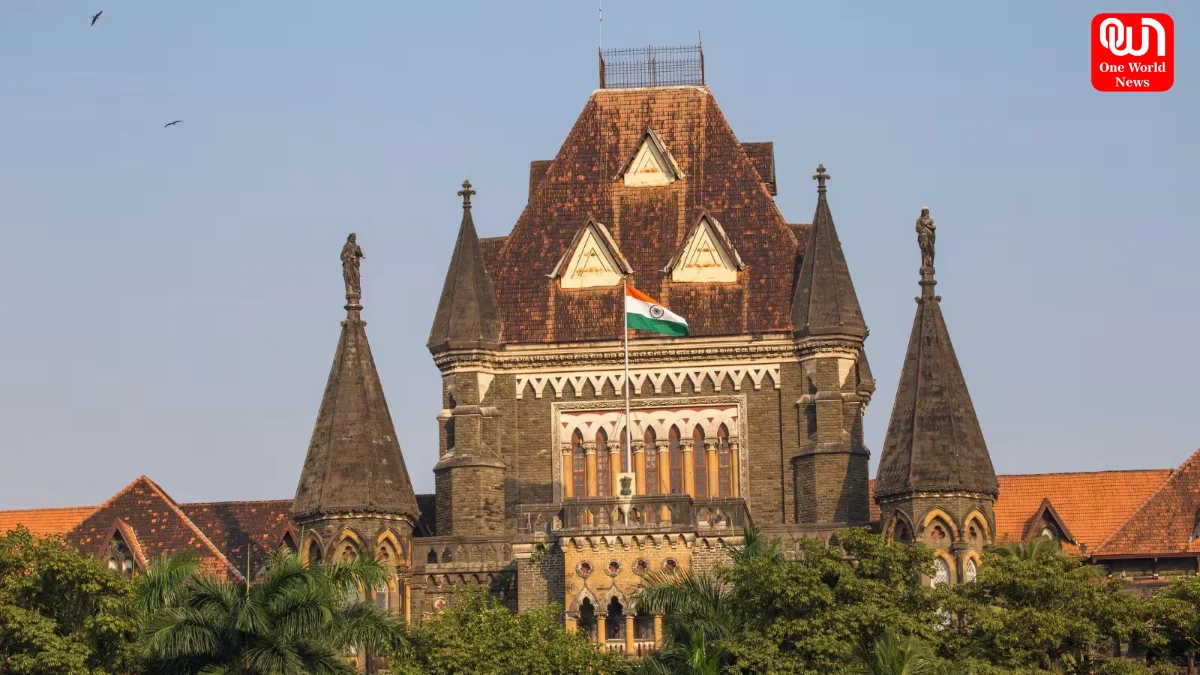
‘Complete Catch-22 Situation’: Bombay High Court Questions Voter Deletion Under SIR
The Bombay High Court has raised important questions about voter deletion during the Special Intensive Revision (SIR) of electoral rolls. During proceedings concerning voter records in Goa, the court expressed concern over a situation where citizens who had shifted their residence could face difficulties in updating their electoral details.
The court reportedly described the circumstances as a “complete Catch-22 situation”, highlighting concerns surrounding Form 8 applications, address changes and the deletion of names from electoral rolls. The observations have brought renewed attention to how the Election Commission of India manages voter records during an intensive revision exercise.
Why Did the Bombay High Court Question Voter Deletion?
The matter before the court involved voters who had shifted their residence but continued to remain within the same assembly constituency. They had approached the election authorities through Form 8 applications to update their address and make the necessary changes to their electoral records.
However, complications reportedly arose when the existing voter records were not available in the relevant system. This created a situation where the applications for address modification could not be processed in the usual manner.
The court questioned whether such technical or procedural difficulties should ultimately result in an eligible voter’s name disappearing from the electoral rolls.
What Are Form 8 Applications?
Form 8 is an important electoral form used by registered voters for making corrections or updating certain details in their existing voter records. It can also be used when a voter shifts residence and needs the electoral record to reflect the new address.
The issue highlighted before the Bombay High Court was that voters who had already been registered were allegedly facing difficulty when attempting to update their address through Form 8 during the SIR process.
If such an application is rejected and the voter is subsequently directed to apply through another procedure, questions can arise about whether the individual is being treated as an existing voter or as someone seeking fresh registration.
Understanding the ‘Complete Catch-22 Situation’
A Catch-22 situation occurs when a person is caught between two requirements, making it difficult or impossible to satisfy either one.
The court’s observation relates to precisely such a difficulty. A voter who has already been registered may need to use Form 8 for address modification after moving to another residence. But if that application cannot be processed because the person’s previous electoral record is unavailable, the voter may be asked to follow a different procedure.
This can potentially leave the voter facing uncertainty about whether their name will appear in the revised electoral rolls.
The court’s concern was therefore focused on ensuring that procedural requirements do not inadvertently prevent an eligible citizen from exercising their right to vote.
Role of the Election Commission of India
The Election Commission of India is responsible for maintaining accurate electoral rolls and conducting the revision process. The Special Intensive Revision is intended to verify voter information and ensure that electoral records remain updated.
However, voter-roll revision also requires safeguards for genuine electors. When voters change addresses, their records need to be updated through a process that is accessible and clearly defined.
The Bombay High Court’s questions underline the importance of ensuring that administrative systems, software limitations or procedural complications do not leave legitimate voters without an effective remedy.
Why Electoral Rolls Matter
Electoral rolls form the foundation of the voting process. Only citizens whose names are included in the relevant electoral rolls can ordinarily participate in an election at their polling station.
Read more: Nora Fatehi Paris Fashion Week: Nora Fatehi Latest Look in Magda Butrym Leather Outfit
Therefore, deletion from the electoral rolls can have serious consequences for an eligible voter. While removing duplicate, deceased or otherwise ineligible entries is an important part of maintaining accurate voter records, the process must also protect genuine electors.
The current discussion surrounding SIR demonstrates why transparency and effective communication are particularly important when voter records are being revised on a large scale.
Address Modification During SIR
Changing residence is common, especially in cities and rapidly developing areas. Voters may move for employment, education, family reasons or other circumstances while remaining within the same constituency.
The availability of Form 8 applications provides an established mechanism for updating voter information. However, the court’s observations suggest that the process can become complicated when an existing record has already been affected during the revision exercise.
A clear process for address modification can help prevent confusion and ensure continuity in voter registration.
What Could Happen Next?
The Bombay High Court’s observations have placed the spotlight on the practical difficulties voters may face during the Special Intensive Revision process. The larger question is how electoral authorities can balance accurate voter verification with the need to protect the rights of eligible citizens.
Read more: Sara Jessica Parker Channels Rapunzel With Long Braid & Ribbons at NYC Ballet Event
The proceedings could also encourage greater clarity around how Form 8 applications should be handled when a voter has shifted residence during an ongoing revision.
For voters, the situation highlights the importance of regularly checking their names and details in the electoral rolls, particularly after changing residence.
Ultimately, the issue before the Bombay High Court goes beyond a single application. It raises a broader question about how India’s electoral system can ensure that the process of updating and verifying voter records remains accurate, transparent and accessible while preventing eligible citizens from being unintentionally removed from the electoral rolls.
We’re now on WhatsApp. Click to join.
Like this post?
Register at One World News to never miss out on videos, celeb interviews, and best reads.