Delhi Malviya Nagar Hotel Fire Tragedy: Most Victims Died Long Before Flames Reached Them as Smoke Turned Hotel Into a Death Trap
Delhi Malviya Nagar Hotel Fire claimed 21 lives after toxic smoke spread rapidly through the hotel, trapping guests before flames reached them.

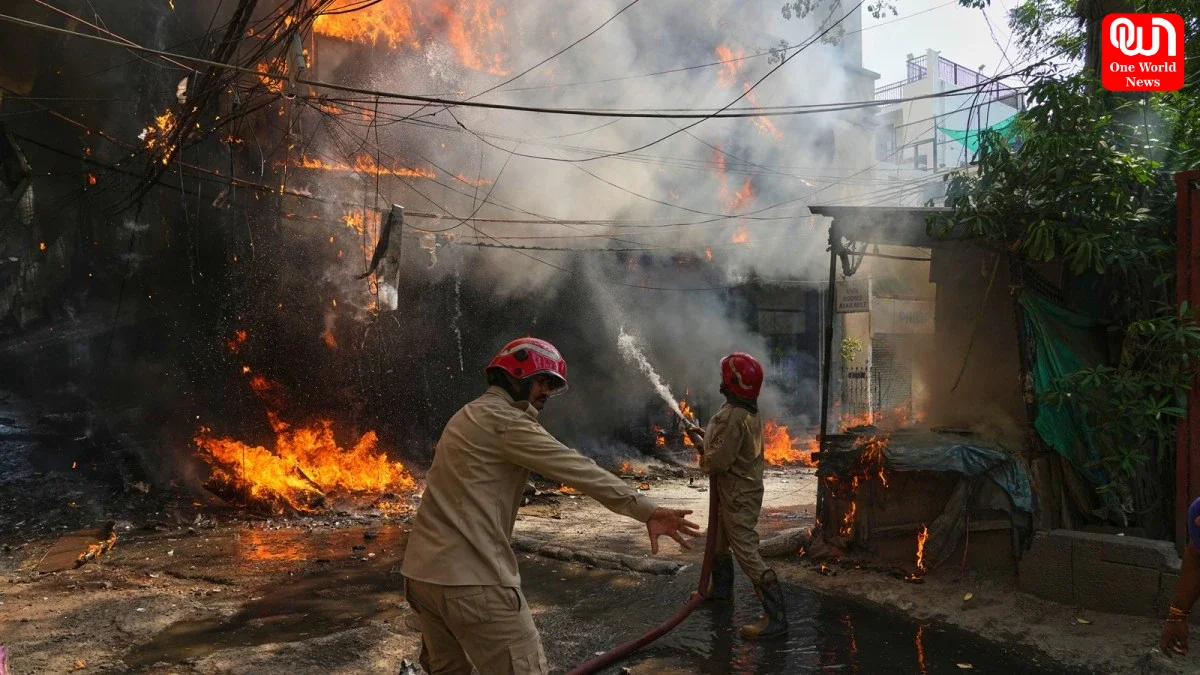
Delhi Malviya Nagar Hotel Fire: Most Victims Died Long Before Flames Reached Them
The Delhi Malviya Nagar Hotel Fire has emerged as one of the deadliest fire incidents in the national capital in recent years. The tragic blaze claimed at least 21 lives and left dozens injured, sending shockwaves across the country. While many initially believed that the victims died due to direct burns from the fire, early investigations and rescue reports suggest that most people lost their lives because of toxic smoke inhalation long before the flames reached their rooms.
The devastating incident occurred at a hotel and restaurant building in Delhi’s Malviya Nagar area. Fire officials rushed to the spot after receiving emergency calls, but by the time rescue operations intensified, many occupants had already been overcome by thick smoke that rapidly engulfed the building.
How the Smoke Became More Dangerous Than the Fire
Experts often point out that in major building fires, smoke inhalation is responsible for more deaths than the flames themselves. The Delhi Malviya Nagar Hotel Fire appears to be a tragic example of this reality.
According to reports, the fire is believed to have started in the lower portion of the building and quickly filled corridors and stairways with dense smoke. Guests sleeping in upper floors found themselves trapped as toxic fumes spread throughout the structure. Many victims reportedly lost consciousness before they could locate exits or seek help.
The smoke contained dangerous gases that can cause suffocation within minutes, especially in enclosed spaces with limited ventilation. This explains why several victims were found in rooms and passageways rather than near the actual flames.
Panic and Desperate Escape Attempts
Eyewitness accounts described scenes of panic as guests attempted to escape from upper floors. Some people were seen standing near windows seeking fresh air, while others jumped from the building in desperate attempts to save themselves. Local residents played a heroic role by placing mattresses on the ground to help cushion falls and assist trapped occupants.
Firefighters and rescue teams managed to save numerous people, but the rapid spread of smoke significantly complicated rescue efforts. Several survivors were rushed to nearby hospitals for treatment of burns and smoke-related injuries.
Questions Raised About Safety Compliance
The Delhi Malviya Nagar Hotel Fire has also raised serious concerns about fire safety compliance. Reports indicate that the property was licensed for a limited number of rooms but was allegedly operating far beyond its approved capacity. Authorities are investigating whether safety regulations, emergency exits, and fire prevention measures were adequately maintained.
Police have registered a case, and the hotel owner has been detained as investigators examine possible negligence and violations that may have contributed to the scale of the tragedy.
Impact on Families and Foreign Nationals
The incident has had an international dimension as several victims were foreign nationals visiting Delhi. Families from different countries have been affected, and authorities are coordinating with embassies to provide assistance and identify victims.
Many relatives faced heartbreaking challenges identifying loved ones due to the severity of the incident. Hospitals and officials have been working to support affected families during this difficult period.
Lessons From the Tragedy
The Delhi Malviya Nagar Hotel Fire serves as a stark reminder of the importance of fire safety measures in hotels and commercial buildings. Functional smoke alarms, emergency exits, regular inspections, and strict compliance with safety regulations can significantly reduce casualties during emergencies.
Authorities are expected to conduct wider inspections of hotels and guest accommodations across Delhi to prevent similar disasters in the future. The tragedy has once again highlighted the need for stronger enforcement of fire safety standards and greater public awareness regarding emergency evacuation procedures.
Conclusion
The Delhi Malviya Nagar Hotel Fire was not merely a fire disaster—it became a deadly smoke trap that claimed lives within minutes. As investigations continue, the focus remains on understanding how the tragedy unfolded and ensuring accountability where safety lapses are found. The incident stands as a painful reminder that in fire emergencies, toxic smoke can often be more dangerous than the flames themselves, making prevention and preparedness absolutely critical.
We’re now on WhatsApp. Click to join.
Like this post?
Register at One World News to never miss out on videos, celeb interviews, and best reads.