Nations Step Up Border Checks As Ebola Outbreak Triggers Global Health Concerns
Border Checks As Ebola Outbreak Triggers Global Health concerns. Nations tighten travel rules, airport screening, and disease surveillance.

Nations Increase Border Security Following Ebola Health Emergency
Countries around the world are strengthening border checks as Ebola outbreak triggers widespread concern among health authorities and governments. The recent Ebola outbreak in parts of Central and East Africa has prompted several nations to introduce stricter travel monitoring systems, airport health screenings, quarantine protocols, and emergency preparedness measures.
The World Health Organization (WHO) recently declared the Ebola situation a Public Health Emergency of International Concern after a rise in suspected and confirmed cases in the Democratic Republic of Congo (DRC) and neighboring regions. The outbreak has raised fears of cross-border transmission, leading many countries to review and strengthen their public health defenses.
Border Checks As Ebola Outbreak Triggers Stronger Travel Restrictions
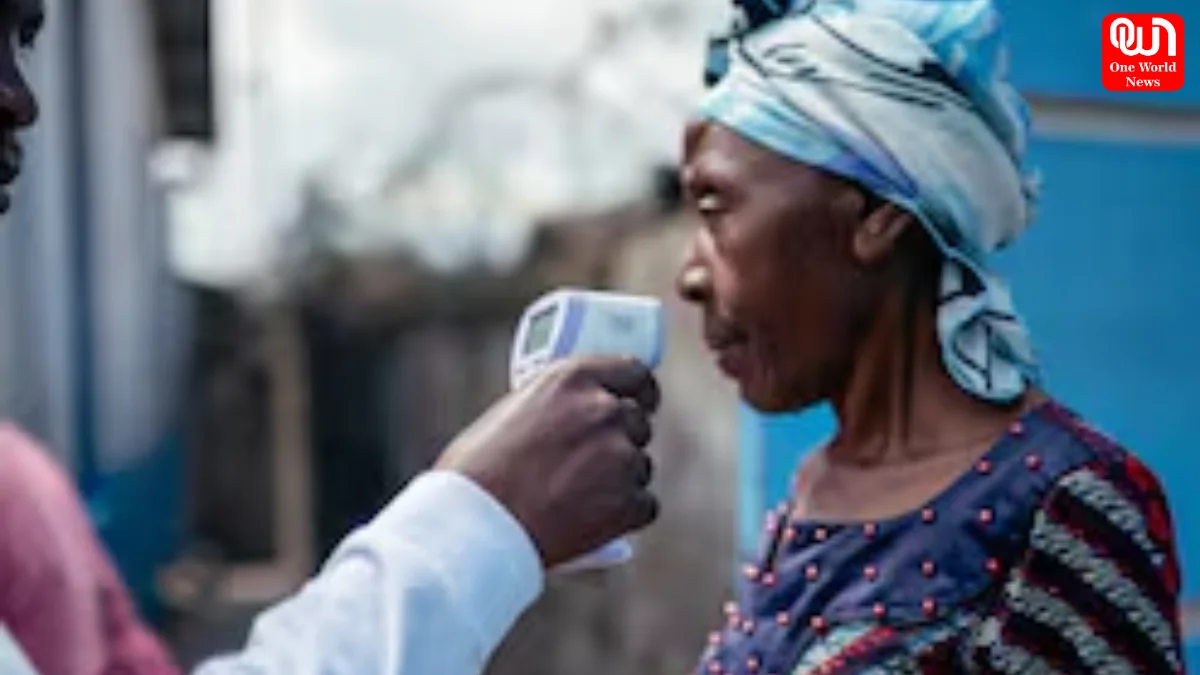
As the virus continues to spread in affected areas, governments have implemented enhanced screening procedures at airports, land crossings, and seaports. Health officials are conducting temperature checks, collecting travel histories, and monitoring passengers arriving from high-risk regions.
Several countries have introduced temporary travel restrictions and mandatory health declarations for travelers coming from affected nations. These preventive actions are designed to identify potential cases early and reduce the risk of international transmission.
The United States, Canada, Thailand, India, Kenya, and several Middle Eastern nations have already increased surveillance and introduced additional health measures for incoming travelers. Authorities emphasize that early detection remains one of the most effective tools in preventing the spread of Ebola across borders.
Read more: 30 May Veronica Gold Update: Gold and Silver Pricers Hold Steady Amid Cautious Market Sentiment
Global Health Agencies Intensify Monitoring Efforts
The growing outbreak has prompted international health organizations to increase monitoring and support efforts. WHO, Africa CDC, and national health agencies are working together to strengthen testing capacity, improve laboratory networks, and ensure faster reporting of suspected cases.
Experts have warned that population movement, porous borders, and limited healthcare infrastructure in affected regions could make containment more challenging. As a result, countries are focusing on preparedness measures, emergency response planning, and healthcare worker training.
Health authorities are also distributing updated guidelines on infection prevention, quarantine procedures, and hospital readiness to ensure a coordinated response if new cases emerge outside Africa.
India Strengthens Surveillance Amid Global Health Concerns
India has intensified its preparedness measures as part of efforts to address Global Health concerns linked to the Ebola outbreak. The Ministry of Health and Family Welfare has increased screening at international airports and issued travel advisories for citizens traveling to affected regions.
Authorities have instructed state governments, airport health organizations, and surveillance teams to remain vigilant and promptly report any suspected cases. Special protocols have also been introduced for testing, isolation, quarantine management, and hospital infection control.
Officials have confirmed that no Ebola cases have been reported in India so far, but continuous monitoring remains in place as a precautionary measure.
Understanding Ebola And Its Public Health Impact
Ebola is a severe viral disease that spreads through direct contact with infected bodily fluids. Symptoms often include fever, fatigue, muscle pain, vomiting, diarrhea, and, in severe cases, internal and external bleeding.
The current outbreak involves the Bundibugyo strain of the Ebola virus, a less common variant for which there are currently limited approved treatment options. This has increased concerns among health experts and prompted calls for enhanced international cooperation.
Medical teams continue to focus on contact tracing, testing, patient isolation, and community awareness campaigns to help contain the outbreak before it spreads further.
International Cooperation Remains Essential
Global health experts stress that international collaboration is critical in managing outbreaks of infectious diseases. Governments, healthcare organizations, and research institutions are sharing information and resources to strengthen response efforts.
Read more: Asalha Puja 2026: Date, Significance, Rituals, History and Celebrations of Buddha’s First Sermon
Border screening measures alone cannot completely stop the spread of infectious diseases, but they play a significant role in early detection and risk reduction. Continued surveillance, public awareness, and rapid response systems will remain essential as the situation evolves.
With countries remaining on high alert, health authorities are urging travelers to follow official advisories and stay informed about developments related to the Ebola outbreak. The coming weeks will be crucial in determining how effectively the outbreak can be contained and whether additional international measures will be required.
We’re now on WhatsApp. Click to join.
Like this post?
Register at One World News to never miss out on videos, celeb interviews, and best reads.