BMC Elections: Who Will Control Mumbai’s Power Centre?
BMC Elections decide who controls Mumbai’s civic power, budget, and political momentum after four years of administrator rule.

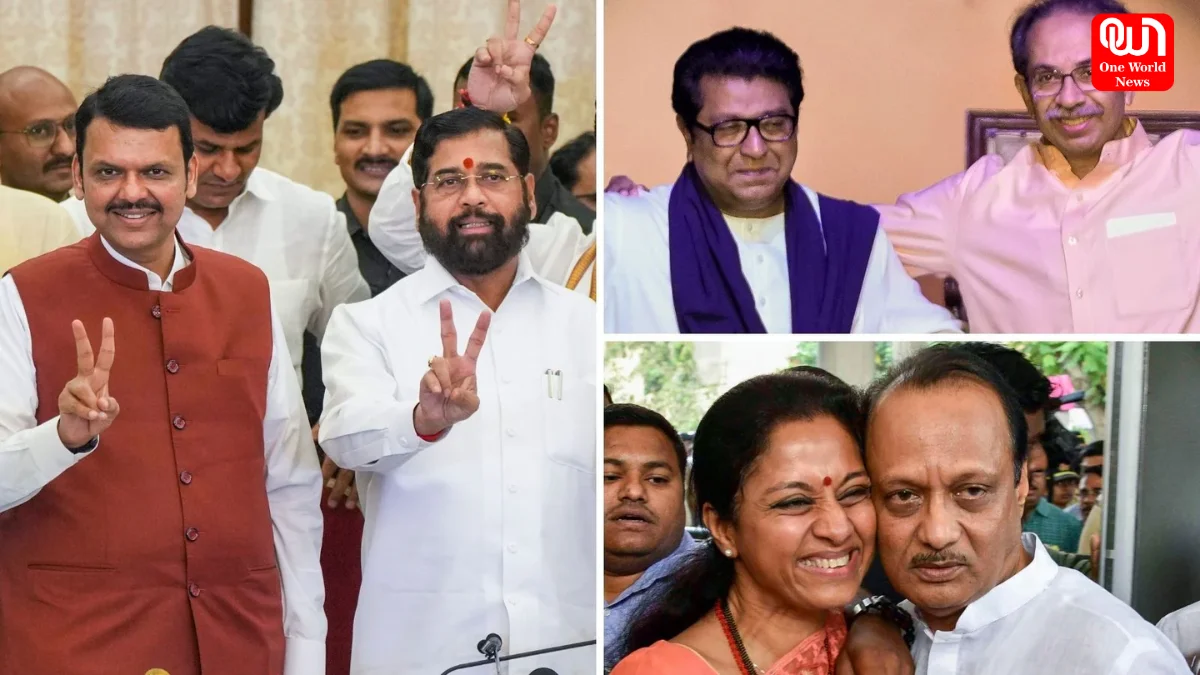
BMC Elections Today: Who Will Be Crowned the King of Mumbai? A Deep Dive Into Players, Power, and High-Stakes Politics
After a four-year wait, Mumbai finally voted in the much-anticipated BMC Elections, a civic contest that goes far beyond local governance. Often described as the battle to decide “Mumbai ka king kaun,” the Brihanmumbai Municipal Corporation election determines who controls India’s financial capital — politically, administratively, and financially.
Voting took place on January 15, with results expected within hours. The stakes could not be higher.
Why the BMC Elections Matter
The Brihanmumbai Municipal Corporation is not just another civic body. With an estimated budget of over ₹74,000 crore, it is Asia’s richest municipal corporation. The BMC controls critical services including roads, water supply, healthcare, sanitation, public transport, housing, and disaster management.
Whoever controls the BMC effectively controls Mumbai’s money, machinery, and grassroots political influence. That makes the BMC Elections crucial not just for civic governance, but for Maharashtra’s broader political future.
Voter Turnout and Participation
Thursday’s polling saw a turnout of 52.94 percent across the city’s wards. Ward 114 recorded the highest turnout at over 65 percent, while Ward 227 saw the lowest participation at just under 21 percent.
Out of more than 1.03 crore registered voters, around 54.7 lakh exercised their franchise. Men slightly outnumbered women voters, though participation from women and transgender electors remained significant, reflecting Mumbai’s diverse electorate.
Read more: Inside Mary Kom Divorce: From Private Separation to Public Battle
Exit Polls and Early Predictions
Multiple exit polls suggest a strong advantage for the ruling Mahayuti alliance, led by the BJP and the Eknath Shinde faction of the Shiv Sena. Pollsters have projected the alliance winning a majority of the 227 seats.
The Thackeray-led opposition alliance is expected to trail, while Congress and smaller parties may remain confined to limited pockets. While exit polls are not final results, they indicate voter sentiment and campaign effectiveness.
Mumbai: The Ultimate Political Prize
Mumbai is India’s financial capital and political nerve centre. Control over the BMC allows parties to influence infrastructure projects, contracts, welfare schemes, and grassroots mobilization. Historically, the civic body has been a stronghold of the Shiv Sena, which ruled it uninterrupted for over 25 years.
However, the split in the Shiv Sena has transformed this election into a three-cornered battle involving legacy, legitimacy, and survival.
Key Political Battles Within the Election
For the Uddhav Thackeray faction, the BMC Elections are a fight for relevance and legitimacy after losing the party symbol and much of its organizational base. Joining hands with the Maharashtra Navnirman Sena signals an attempt to consolidate Marathi voters and reclaim lost ground.
For the Eknath Shinde faction, victory would validate the split and establish control over the Sena’s traditional bastion. A win would signal Mumbai’s approval of Shinde’s leadership beyond state and national elections.
For the BJP, the election represents an opportunity to independently control Mumbai’s civic administration and expand its urban footprint. A strong showing would reinforce its dominance in Maharashtra politics.
Issues That Dominated the Campaign
Infrastructure, flooding, housing, transport, and cost of living were central issues. The ruling alliance focused on large-scale urban modernization, flood mitigation, transport expansion, and technology-driven governance.
The opposition emphasized resident-centric issues such as affordable housing, tax relief, public transport subsidies, healthcare access, and cost-of-living support. Identity politics also played a role, with debates around Marathi pride, local representation, and cultural protection intersecting with broader ideological narratives.
What a BMC Corporator Controls
A BMC corporator has direct influence over essential civic issues including water supply, road maintenance, drainage, healthcare facilities, waste management, pollution control, housing, and public services. These everyday issues directly affect Mumbai’s quality of life, making the BMC Elections deeply personal for voters.
More Than a Civic Poll
This election is widely seen as a political litmus test ahead of future state and national contests. It reflects shifting voter priorities, alliance strengths, and the effectiveness of grassroots organization.
For Mumbai, the outcome will decide how the city is governed after years under an administrator — and for Maharashtra, it may redefine political equations going forward.
Read more: Delhi-NCR Shivers as Temperature Falls to 3°C, Dense Fog Triggers IMD Alert
What Happens Next
As counting begins, all eyes are on whether tradition holds or transformation takes place. Whoever emerges victorious will not just run a civic body — they will command Mumbai’s political heartbeat.
The BMC Elections are not just about governance. They are about power, identity, and the future direction of India’s most influential city.
We’re now on WhatsApp. Click to join.
Like this post?
Register at One World News to never miss out on videos, celeb interviews, and best reads.