Ramadan 2026: Significance, Dates, and Global Observance
Ramadan 2026 begins in mid-February, marking a sacred month of fasting, prayer, reflection, and community for Muslims worldwide.

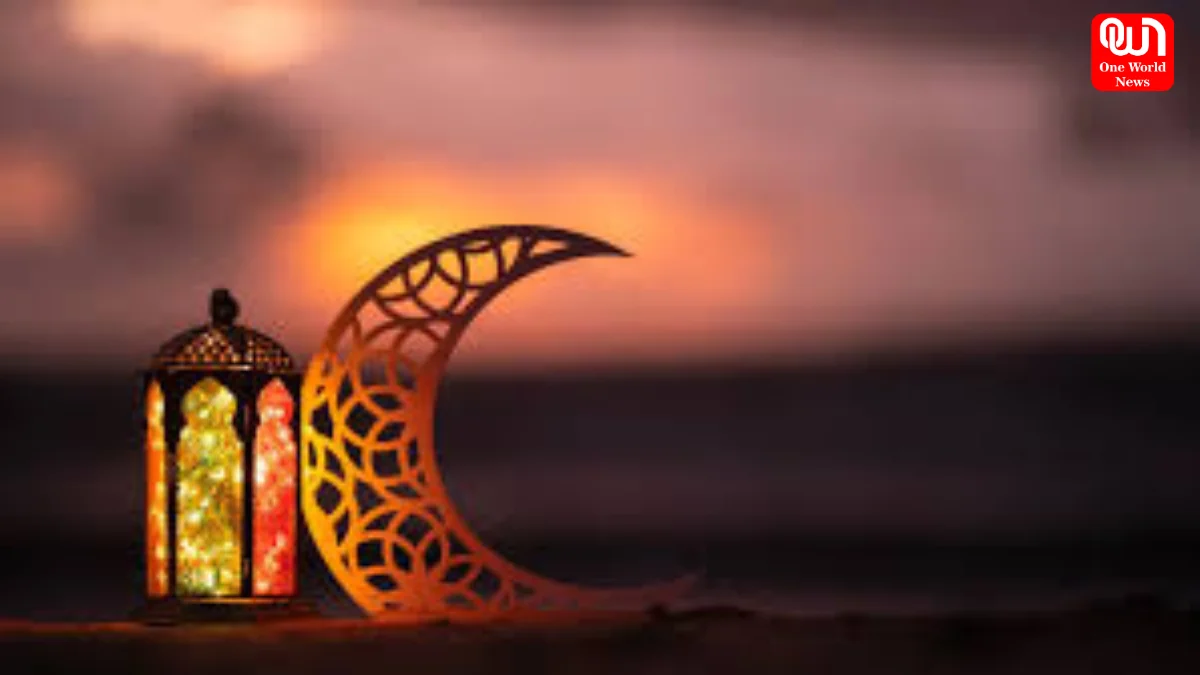
Ramadan 2026: Dates, Meaning, Traditions, and Why the Holy Month Matters Worldwide
Ramadan 2026 is expected to begin in the evening of February 17, 2026, with the first day of fasting likely observed on February 18, depending on the sighting of the crescent moon. As the ninth month of the Islamic lunar calendar, Ramadan holds profound spiritual importance for Muslims across the world and is observed through fasting, prayer, self-discipline, and acts of compassion.
Read more: Sara Arjun Brings Mughal-Era Lampi Work to Life in Dhurandhar
What Is Ramadan?
Ramadan is considered the holiest month in Islam. It commemorates the period when the first verses of the Quran were revealed. During this month, Muslims fast from dawn (suhoor) until sunset (iftar), abstaining from food, drink, and other physical needs during daylight hours.
But Ramadan is not only about fasting. It is a time for spiritual purification, increased prayer, reflection, and strengthening one’s relationship with faith, family, and community.
The Spiritual Meaning of Ramadan 2026
The essence of Ramadan 2026 lies in self-restraint and mindfulness. Fasting is meant to teach patience, humility, and empathy for those who face hunger and hardship daily. By temporarily giving up physical comforts, individuals are encouraged to focus on inner growth and moral discipline.
Charity and generosity are especially emphasized during Ramadan. Many Muslims give zakat (obligatory charity) and additional voluntary donations to support the poor and needy. Acts of kindness, forgiveness, and community service are central to the spirit of the month.
Daily Life During Ramadan
Daily routines often change during Ramadan. Muslims wake before dawn to eat suhoor, a pre-fast meal, and break their fast at sunset with iftar, traditionally starting with dates and water. Evenings are often spent in prayer, family gatherings, and reading the Quran.
Special nightly prayers, known as Taraweeh, are performed in mosques or at home. These prayers create a sense of unity and shared devotion, bringing communities together throughout the month.
Ramadan Observed Around the World
While the core practices of Ramadan remain the same, cultural traditions vary across regions. In some countries, streets are decorated with lights, and markets stay open late into the night. In others, communal iftar meals are organized to bring people together regardless of background.
Ramadan 2026 will once again highlight the global diversity of Muslim communities, with millions observing the month across Asia, Africa, the Middle East, Europe, and the Americas. Despite cultural differences, the shared values of faith, discipline, and compassion remain universal.
Fasting and Exemptions
Fasting during Ramadan is obligatory for adult Muslims, but exemptions exist. Children, the elderly, pregnant or breastfeeding women, travelers, and those with medical conditions may be excused from fasting. In such cases, individuals are encouraged to make up missed fasts later or provide charity instead.
This flexibility reflects the broader Islamic principle of compassion and care for well-being.
The End of Ramadan and Eid Celebrations
Ramadan concludes with the sighting of the new moon, marking the beginning of Eid al-Fitr, a major festival celebrated with prayers, festive meals, new clothes, and charity. Eid is a joyful occasion that emphasizes gratitude, unity, and generosity.
The anticipation of Eid gives Ramadan a meaningful conclusion, reminding observers that spiritual discipline leads to renewal and celebration.
Why Ramadan 2026 Matters Today
In an increasingly fast-paced and divided world, Ramadan 2026 offers a pause — a time to reflect, reconnect, and realign priorities. The values promoted during Ramadan, such as empathy, patience, and generosity, resonate beyond religious boundaries.
Read more: Yash Birthday 2026: Date, Journey, and Why Fans Celebrate Him Worldwide
Many non-Muslims also engage with Ramadan by participating in interfaith iftars, learning about its meaning, or simply respecting the practices of those observing it. This shared understanding helps foster social harmony and mutual respect.
Looking Ahead
As Ramadan continues to be observed across generations, its relevance remains strong. While lifestyles and technologies evolve, the core message of Ramadan — self-improvement, compassion, and faith — remains timeless.
Ramadan 2026 stands as a reminder that spiritual growth often begins with self-discipline and empathy, values that hold meaning for people everywhere.
We’re now on WhatsApp. Click to join.
Like this post?
Register at One World News to never miss out on videos, celeb interviews, and best reads.