Kati Bihu 2026: Date, Significance, Traditions, Rituals, and Celebrations in Assam
Kati Bihu 2026 falls on 18 October. Know its date, history, significance, rituals, traditions, celebrations, and importance in Assam.

Kati Bihu 2026: Know the Date, History, Significance, Rituals, Traditional Celebrations, and Why Assam Celebrates This Sacred Harvest Festival
Kati Bihu 2026 will be celebrated on Sunday, 18 October 2026, across Assam and by Assamese communities worldwide. Also known as Kongali Bihu, this festival is one of the three major Bihu festivals celebrated in Assam. Unlike Rongali Bihu and Magh Bihu, Kati Bihu is observed with simplicity and devotion. It marks an important phase in the agricultural cycle when paddy crops are still growing in the fields, and farmers pray for a healthy harvest.
The festival reflects the deep bond between nature, farming, and Assamese culture. Instead of grand feasts or celebrations, families light earthen lamps, offer prayers, and seek blessings for prosperity and protection of their crops.
Kati Bihu 2026 Date
- Festival: Kati Bihu 2026
- Date: Sunday, 18 October 2026
- State: Assam
- Also Known As: Kongali Bihu
- Occasion: Agricultural festival dedicated to praying for a successful harvest.
What is Kati Bihu?
Kati Bihu 2026 is celebrated during the Assamese month of Kati (Kartik). The word “Kongali” means “poor” or “scarcity,” referring to the time when household granaries are nearly empty, while the new rice crop is still maturing in the fields. Because of this, the festival is observed quietly with spiritual rituals instead of lavish celebrations.
This sacred festival reminds people to stay patient, grateful, and hopeful while waiting for nature’s blessings in the form of a successful harvest.
Significance of Kati Bihu 2026
The importance of Kati Bihu 2026 goes beyond farming. It symbolizes faith, hope, and respect for nature. Farmers pray for their standing crops to remain safe from pests, storms, and diseases.
The festival also emphasizes:
- Prayers for abundant harvests
- Protection of crops and livestock
- Gratitude towards nature
- Preservation of Assamese traditions
- Family unity and spiritual well-being
For generations, Kati Bihu has remained an essential cultural identity of Assam.
Rituals Performed During Kati Bihu 2026
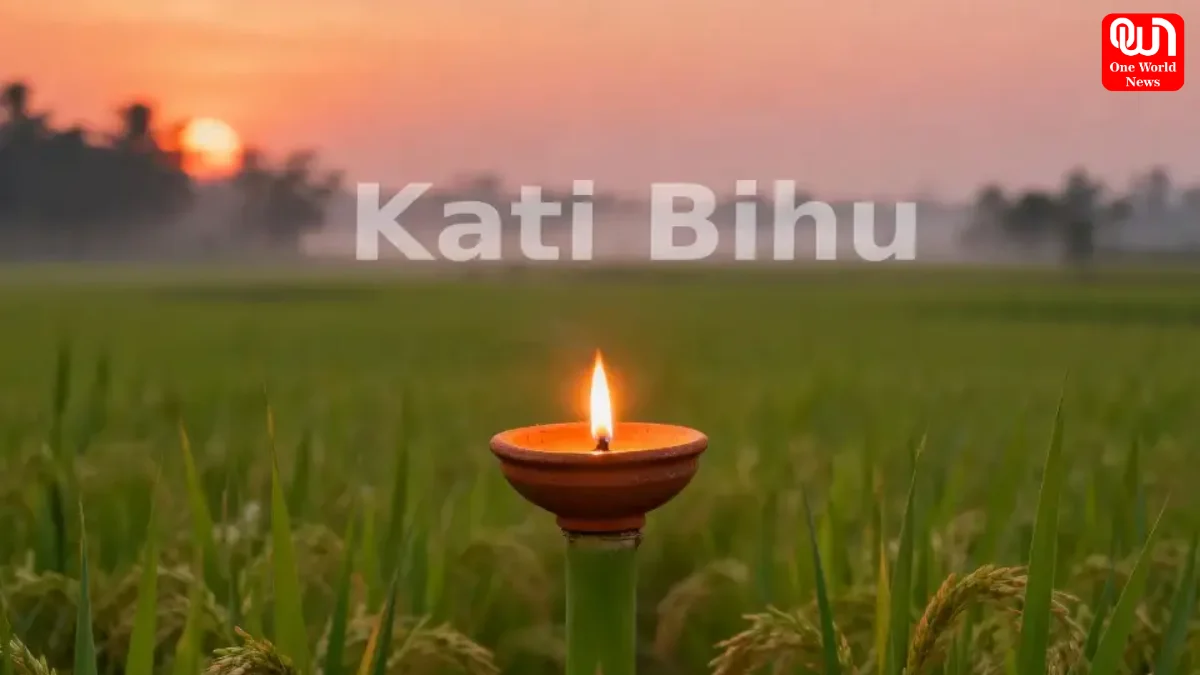
One of the most beautiful traditions of Kati Bihu 2026 is lighting earthen lamps known as Saki.
Some important rituals include:
- Lighting lamps near the Tulsi plant.
- Placing lamps around paddy fields.
- Lighting lamps inside granaries.
- Offering prayers for healthy crops.
- Chanting traditional prayers for prosperity.
Many families also believe these rituals protect crops from insects and negative energies while inviting blessings for a successful harvest.
How is Kati Bihu Celebrated?
Unlike the colorful celebrations of Rongali Bihu, Kati Bihu 2026 is peaceful and spiritual. Villages across Assam witness families gathering during the evening to perform prayers.
The celebrations usually include:
- Cleaning homes and prayer areas.
- Lighting rows of oil lamps.
- Worshipping the Tulsi plant.
- Visiting nearby temples.
- Offering traditional prayers with family members.
- Seeking blessings for prosperity and happiness.
The calm atmosphere makes Kati Bihu one of Assam’s most meaningful festivals.
Traditional Importance in Assamese Agriculture
Agriculture is the heart of Assam’s economy and culture. Kati Bihu 2026 arrives at a critical stage when rice plants require proper care before harvesting.
Farmers perform rituals believing they will:
- Protect crops from natural calamities.
- Ensure healthy grain production.
- Bring prosperity to the household.
- Maintain harmony between humans and nature.
The festival beautifully reflects the agricultural wisdom passed down through generations.
Why Kati Bihu is Different from Other Bihu Festivals
Assam celebrates three major Bihu festivals throughout the year.
- Rongali Bihu welcomes the Assamese New Year with dance, music, and festivities.
- Magh Bihu celebrates the harvest with feasts and community gatherings.
- Kati Bihu 2026, however, focuses on prayer, patience, and hope during the crop-growing season.
This unique character makes Kati Bihu a deeply spiritual festival.
Conclusion
Kati Bihu 2026, falling on 18 October 2026, is much more than an agricultural festival. It is a celebration of faith, resilience, and gratitude. While the festival is simple compared to other Bihu celebrations, its cultural and spiritual significance remains immense. Families across Assam light lamps, offer prayers, and express hope for a prosperous harvest and a brighter future.
The traditions of Kati Bihu 2026 continue to preserve Assam’s rich cultural heritage while reminding future generations about the importance of nature, farming, and community values. Whether you belong to Assam or simply wish to learn about India’s diverse festivals, Kati Bihu 2026 offers a meaningful glimpse into one of the country’s most cherished agricultural traditions.
We’re now on WhatsApp. Click to join.
Like this post?
Register at One World News to never miss out on videos, celeb interviews, and best reads.