Chinese Language Day 2026: Honoring One of the World’s Oldest Languages
Chinese Language Day 2026 celebrates the history, cultural influence, and global importance of the Chinese language and its rich heritage.

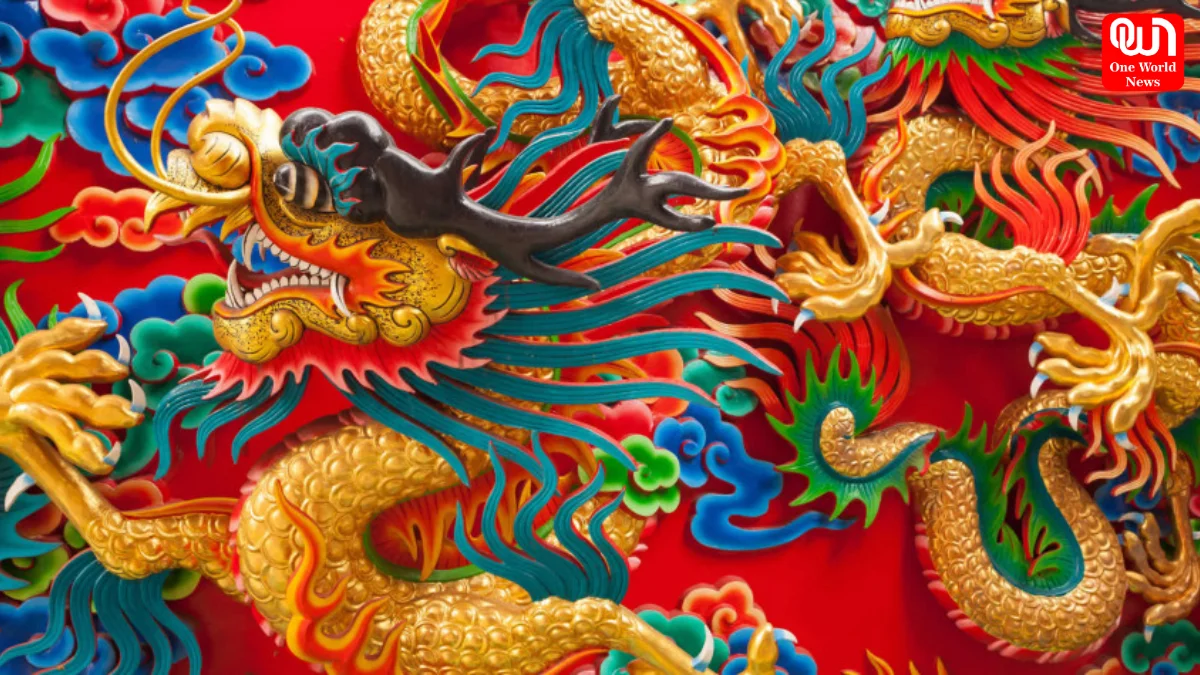
Chinese Language Day 2026: Celebrating the Global Influence, History, and Cultural Power of the Chinese Language
On April 20, 2026, people around the world celebrate Chinese Language Day 2026, a day dedicated to recognizing the cultural, historical, and linguistic importance of the Chinese language. The observance highlights not only the beauty of Chinese characters but also the role the language plays in connecting communities, preserving traditions, and shaping global communication.
Chinese Language Day is one of the official language days established by the United Nations to promote multilingualism and cultural diversity. It honors the Chinese language, which is spoken by more than a billion people worldwide and represents one of the oldest continuous writing systems in human history.
The Origins of Chinese Language Day
Chinese Language Day is celebrated annually on April 20, a date chosen to honor Cangjie, a legendary figure believed to have invented Chinese characters. According to ancient tradition, Cangjie was a historian in the court of the Yellow Emperor who created a writing system inspired by patterns in nature.
While historians debate the exact origins of Chinese writing, the story of Cangjie symbolizes the deep cultural reverence for language and knowledge in Chinese civilization. The day recognizes the extraordinary development of Chinese characters, which have evolved over thousands of years while maintaining their unique structure and meaning.
A Language with Thousands of Years of History
The Chinese language has one of the longest recorded histories among world languages. Archaeological discoveries show that early forms of Chinese writing appeared on oracle bones used during the Shang Dynasty more than 3,000 years ago.
Over centuries, Chinese characters evolved through different scripts, including seal script, clerical script, and the modern simplified and traditional forms used today. Despite these changes, the essence of the writing system has remained remarkably consistent.
Read more: Baisakhi 2026: Date, History, Significance and Celebrations in India
This continuity makes the Chinese language a living link between ancient traditions and modern society. Chinese Language Day 2026 highlights this remarkable legacy and the enduring influence of Chinese culture.
Global Influence of the Chinese Language
Today, Mandarin Chinese is the most widely spoken language in the world by native speakers. Beyond China, Chinese-speaking communities exist across Asia, North America, Europe, and many other regions.
The global rise of China in trade, technology, and international relations has increased interest in learning Chinese. Universities, schools, and cultural institutes around the world now offer Chinese language programs, helping millions of students connect with Chinese culture and history.
Chinese Language Day 2026 also celebrates this expanding global reach and the role of language in fostering cross-cultural understanding.
The Unique Beauty of Chinese Characters
One of the most distinctive aspects of the Chinese language is its writing system. Unlike alphabet-based languages, Chinese uses logographic characters, where each symbol represents a word or concept rather than a sound alone.
These characters are often visually expressive, reflecting ideas, objects, and emotions. Chinese calligraphy, which transforms writing into an art form, has been practiced for centuries and remains an important cultural tradition.
During Chinese Language Day 2026, exhibitions, workshops, and educational programs often showcase calligraphy, poetry, and classical literature to celebrate the artistic dimension of the language.
Promoting Multilingualism and Cultural Exchange
Chinese Language Day is also part of a broader effort by international organizations to encourage multilingual communication. Language is more than a tool for conversation—it is a gateway to culture, identity, and understanding.
By promoting the Chinese language, this observance encourages people to explore new perspectives and appreciate cultural diversity. Events held around the world often include lectures, cultural performances, language lessons, and storytelling sessions.
These activities help bridge cultural gaps and foster appreciation for linguistic diversity.
Why Chinese Language Day Matters Today
In an increasingly interconnected world, language plays a crucial role in diplomacy, education, and global cooperation. Learning about different languages allows people to understand histories, values, and traditions beyond their own.
Read more: Tamil New Year 2026: Date, Significance, Rituals and Celebrations
Chinese Language Day 2026 reminds us that language is a powerful cultural bridge. It celebrates the achievements of one of the world’s oldest civilizations while inspiring future generations to explore linguistic diversity.
Looking Ahead
As technology continues to transform communication, the Chinese language remains a vital part of global culture. From literature and philosophy to business and digital media, its influence continues to grow.
Chinese Language Day 2026 serves as a celebration of this enduring legacy. It invites people everywhere to appreciate the beauty of Chinese characters, the richness of Chinese culture, and the importance of preserving languages that shape our shared human story.
We’re now on WhatsApp. Click to join.
Like this post?
Register at One World News to never miss out on videos, celeb interviews, and best reads.