888 Lok Sabha Seats, 543 MPs: How India’s New Parliament Was ‘Built-Ready’ For Delimitation Shake-Up
Lok Sabha expansion to 888 seats explained: How Narendra Modi's Parliament building prepares India for delimitation and women's reservation.

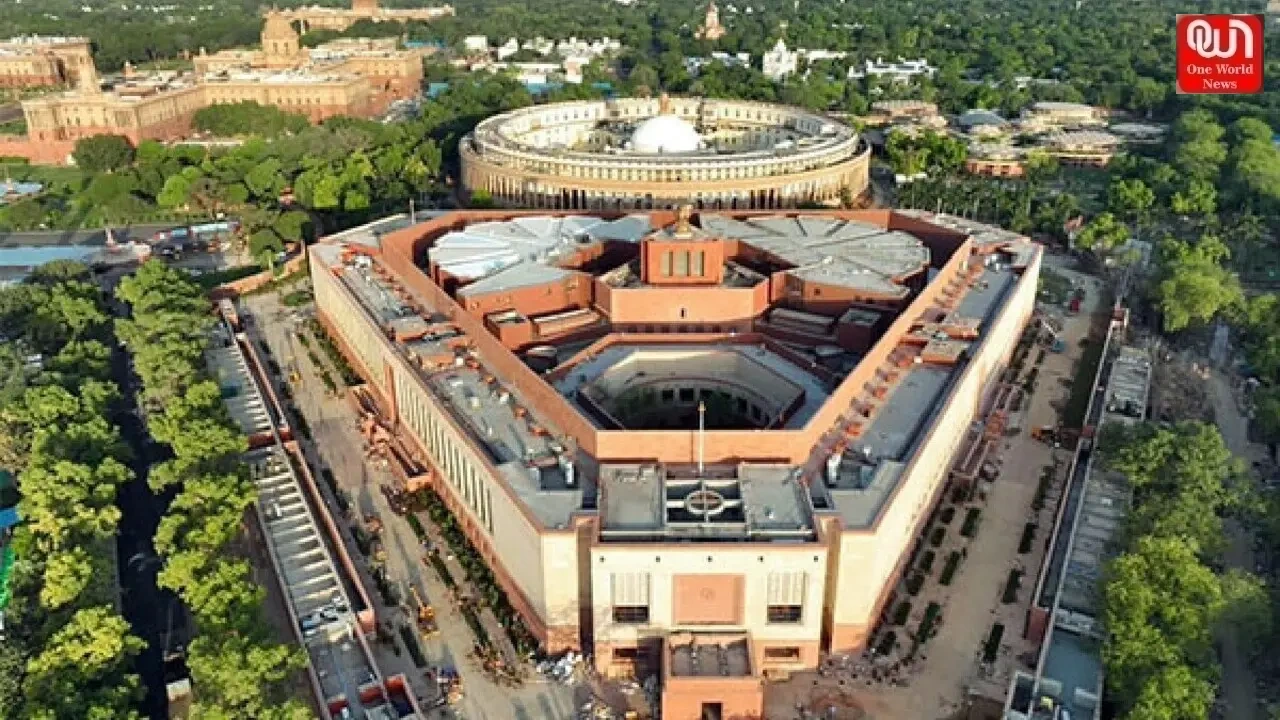
Lok Sabha Expansion to 888 Seats: How Narendra Modi’s New Parliament Building and Central Vista Were Designed for Delimitation, Women’s Reservation and Future General Elections
India’s parliamentary system could be approaching one of its biggest structural changes in decades. With the Lok Sabha currently having a sanctioned strength of 543 elected members, discussions around expanding parliamentary representation have brought the new Parliament building into the spotlight.
The figure of 888 is particularly significant. India’s new Sansad Bhavan was designed with an 888-seat Lok Sabha chamber, providing room for a much larger House than the previous Parliament could accommodate. What once appeared to be long-term infrastructure planning is now closely connected with the national debate on delimitation, women’s reservation and electoral representation.
The latest development came on November 27, 2026, when the Union Cabinet, chaired by Prime Minister Narendra Modi, cleared a fresh constitutional amendment proposal linked to a 50% increase in Lok Sabha and state Assembly seats. Parliament is expected to consider the legislative package during its special sitting beginning November 30.
Why Does India Need Lok Sabha Expansion?
India’s population and electoral landscape have changed considerably since the existing allocation of parliamentary seats was frozen using the 1971 Census. Over the years, population growth, urbanisation and the expansion of cities have increased the number of citizens represented by individual MPs.
At present, the Lok Sabha has 543 elected seats. This arrangement has remained largely unchanged for decades because of constitutional provisions intended to encourage population stabilisation across states.
However, the demand for better representation has continued to grow. A larger Lok Sabha could allow more constituencies and provide greater opportunities for citizens to have their concerns represented in Parliament.
The proposed 2026 changes seek to increase seats across states and Union Territories by 50%, while maintaining their existing relative share until 2051. The proposal also envisages using the 2011 Census for constituency demarcation.
The Indian Express+1
How the New Parliament Building Was Designed for 888 MPs
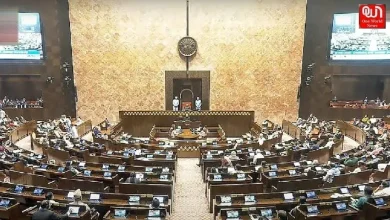
One of the most interesting aspects of India’s new Parliament building is its seating capacity. Unlike the old Parliament House, which faced limitations in accommodating additional lawmakers, the new Sansad Bhavan was designed with future expansion in mind.
The Lok Sabha chamber has seating capacity for 888 members, compared with the existing 543 elected representatives. During joint sessions, its capacity can be increased to accommodate up to 1,272 members.
The Rajya Sabha chamber has a planned seating capacity of 384 members. These provisions make the new Parliament complex suitable for the possibility of a significantly expanded legislature.
The building was constructed across approximately 64,500 square metres and forms an important part of the Central Vista redevelopment project. Its modern infrastructure, digital facilities and larger chambers reflect the requirements of a developing parliamentary democracy.
Redevelopment Project+2
Narendra Modi’s Central Vista Vision and Future-Ready Infrastructure
The new Parliament building is among the most prominent projects under the Central Vista redevelopment initiative associated with Prime Minister Narendra Modi.
The objective was not simply to replace an ageing structure. It was also to create a modern legislative environment capable of supporting India’s future administrative and democratic requirements.
The triangular Sansad Bhavan features contemporary facilities, improved security arrangements, advanced communication technology and dedicated spaces for parliamentary activities.
Its design also incorporates Indian cultural elements. The Lok Sabha chamber draws inspiration from the national bird, the peacock, while the Rajya Sabha chamber reflects the national flower, the lotus.
The old and new Parliament buildings are intended to function together as part of a larger Legislative Enclave. This reflects a combination of India’s parliamentary heritage and its changing infrastructure needs.
Redevelopment Project+1
Delimitation: What Could Change in Indian Politics?
Delimitation refers to the process of redrawing constituency boundaries and determining the allocation of legislative seats. It aims to maintain fair representation by considering population distribution and constitutional requirements.
The proposed expansion could significantly influence India’s political landscape. More constituencies would mean changes in electoral boundaries, representation patterns and the number of elected representatives.
One important feature of the latest proposal is the intention to increase seats across states and Union Territories by 50%, while protecting their existing relative share until 2051.
This approach is particularly important because states have different population growth rates. Maintaining their relative shares is intended to address concerns that states which successfully controlled population growth could lose political influence.
However, delimitation remains a politically sensitive subject. Questions about fairness, federal balance, population data and the constitutional process will require careful parliamentary consideration.
Explained News – The Indian Express+1
Women’s Reservation: Another Major Focus of Parliament Expansion
Women’s representation is another important reason behind the renewed legislative push.
The 106th Constitutional Amendment, passed in 2023, introduced a provision for reserving one-third of seats for women in the Lok Sabha and state legislative assemblies.
However, its implementation was linked to a future Census and subsequent delimitation exercise. The latest proposal seeks to accelerate the process by linking women’s reservation with the proposed expansion and redrawing of constituencies.
If the legislative package receives the required parliamentary approval, the government aims to implement women’s reservation in the 2029 general elections.
This could represent a major milestone in Indian politics, providing more women with opportunities to participate in legislative decision-making and national governance.
Why the 888-Seat Chamber Does Not Mean 888 Current MPs
It is important to understand the difference between the building’s seating capacity and the actual strength of the Lok Sabha.
The number 888 represents the seating capacity of the new Lok Sabha chamber. It does not mean that India currently has 888 elected MPs.
The present strength remains 543 elected members. Furthermore, the latest November 2026 proposal provides for a maximum Lok Sabha strength of 850, with a proposed 50% increase in seats allocated to states and Union Territories.
Therefore, the building’s 888-seat provision offers additional physical capacity beyond the proposed legislative limit. Any actual increase in parliamentary membership will depend on constitutional amendments, legislation and the completion of the delimitation process.
pprloksabha.sansad.in+1
What Does This Mean for India’s Future General Elections?
The proposed changes could reshape how India conducts its future general elections. A larger Lok Sabha would create more constituencies, potentially changing the electoral experience for political parties, candidates and voters.
Political organisations may need to rethink their election strategies, constituency-level campaigns and candidate selection processes. At the same time, voters could see changes in constituency boundaries and parliamentary representation.
The proposed 2029 implementation timeline for women’s reservation makes the coming parliamentary discussions particularly important.
However, the proposed amendments must first clear the constitutional approval process. The special parliamentary sitting beginning November 30, 2026, will therefore be an important moment for India’s democratic and political future.
Explained News – The Indian Express+1
Conclusion: A New Chapter for India’s Parliamentary Democracy
The journey from 543 Lok Sabha MPs to a potentially expanded House represents more than an increase in numbers. It highlights India’s changing population, evolving political priorities and the need for modern democratic infrastructure.
The new Parliament building, with its 888-seat Lok Sabha chamber, was designed with future expansion in mind. Today, its original planning has become particularly relevant as the government pushes for delimitation, greater representation and women’s reservation.
Under Narendra Modi’s Central Vista vision, Sansad Bhavan represents an investment in India’s parliamentary future. Whether the proposed changes become reality will depend on parliamentary approval and the wider constitutional process.
One thing is clear: the debate around Lok Sabha expansion could become one of the most significant developments shaping India’s future general elections and democratic representation.
We’re now on WhatsApp. Click to join.
Like this post?
Register at One World News to never miss out on videos, celeb interviews, and best reads