DMK Support for Delimitation Bill: MK Stalin’s Key Demands Accepted by Union Government
DMK signals support for Delimitation Bill as MK Stalin's demands on Lok Sabha seats and Tamil Nadu representation are addressed by the Centre.

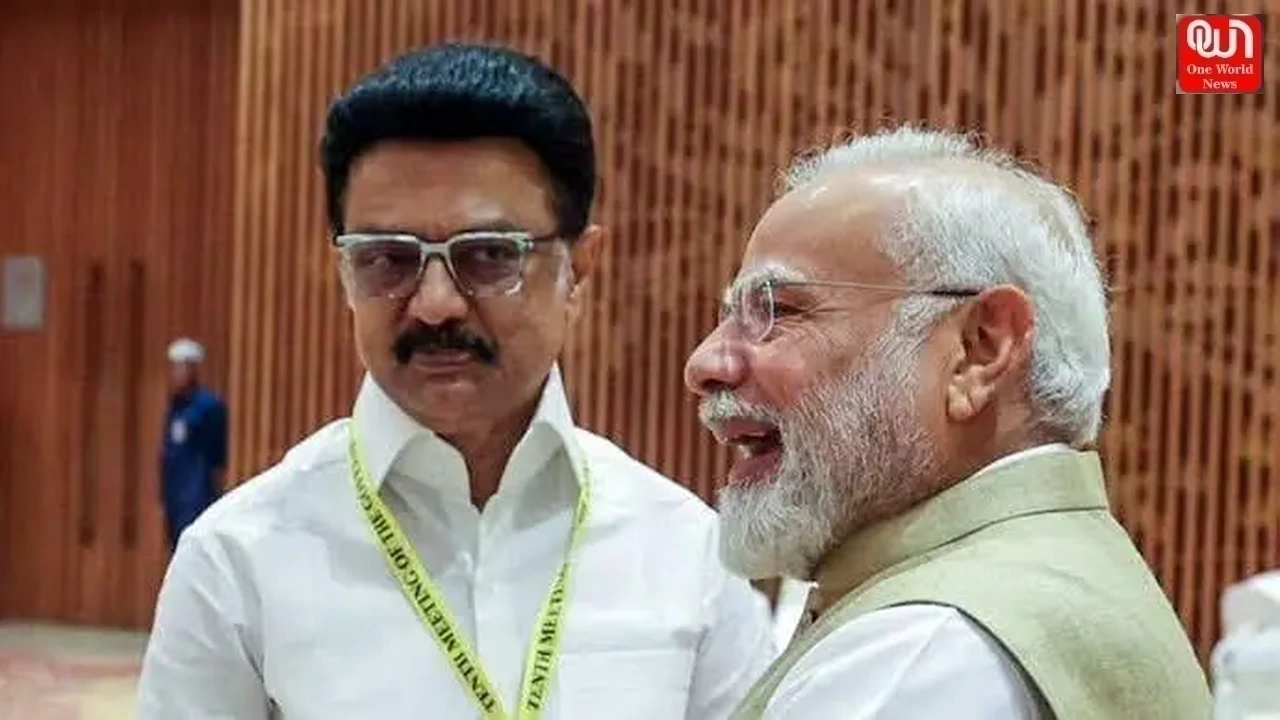
Delimitation Bill 2026: DMK Signals Support After Union Government Accepts MK Stalin’s Demands on Lok Sabha Seats and Tamil Nadu Representation Ahead of Parliament Session
The political debate surrounding the proposed Delimitation Bill has taken an interesting turn, with the Dravida Munnetra Kazhagam (DMK) indicating its possible support for the revised legislation introduced by the Union government. Senior DMK sources have suggested that the Centre has addressed the important demands raised by party president MK Stalin, particularly those concerning Tamil Nadu’s representation in Parliament.
According to reports published on November 28, 2026, senior DMK leaders indicated that the revised proposal appears to meet the conditions previously highlighted by Stalin. When asked whether the party would support the legislation, sources reportedly responded, “Looks like.” This development has attracted considerable political attention because the DMK’s parliamentary support could become important for the government during the upcoming Parliament session.
Why Is DMK Considering Support for the Delimitation Bill?
The DMK has consistently raised concerns about the possible consequences of delimitation, especially for southern states that have successfully controlled population growth.
The party argued that redistributing Lok Sabha seats strictly according to population could reduce the relative political representation of states such as Tamil Nadu, Kerala, Karnataka, Andhra Pradesh and Telangana.
However, the revised proposal reportedly addresses these concerns by providing for a uniform 50 per cent increase in parliamentary seats while maintaining the existing proportion of representation among states.
This approach appears to have brought the DMK closer to considering support for the legislation. Nevertheless, the party’s position is based on protecting Tamil Nadu’s interests rather than indicating any political alliance with the BJP-led government.
MK Stalin’s Two Major Demands on Tamil Nadu Representation
MK Stalin had repeatedly made it clear that the DMK would not compromise on Tamil Nadu’s parliamentary representation.
His position revolved around two important demands:
1. Protection of Tamil Nadu’s Existing Lok Sabha Share
Stalin demanded that Tamil Nadu’s existing 7.18 per cent share of Lok Sabha seats should remain protected, even if the overall strength of Parliament increases.
The state currently has 39 elected representatives in the 543-member Lok Sabha. The DMK leadership believes that an increase in the total number of seats should not reduce Tamil Nadu’s relative representation.
2. Extension of the 1971 Census-Based Freeze
The second demand concerned the existing distribution of parliamentary seats among states based on the 1971 Census.
Stalin insisted that the current proportion of representation should remain unchanged for another 25 years. This would provide protection to states that have implemented population-control measures and prevent them from being disadvantaged in future seat allocation exercises.
The revised proposal reportedly incorporates these key concerns, which explains the DMK’s changing position.
How the Union Government’s Revised Proposal Changed the Situation
The Union government has been working on a revised framework to move forward with delimitation and the implementation of women’s reservation.
According to reports, the new proposal provides for a uniform 50 per cent increase in Lok Sabha and Assembly seats while retaining the existing proportional distribution among states.
The draft framework also proposes maintaining the seat allocation and constituency arrangements until 2051.
The proposed expansion is connected with the implementation of 33 per cent women’s reservation in the Lok Sabha and state legislative assemblies from 2029.
The government is seeking the necessary constitutional amendment and supporting legislation to implement these changes.
Why DMK Support Matters for the BJP-Led Government
The DMK’s possible support is politically significant because the passage of a constitutional amendment requires a special majority in Parliament.
The party has 22 members in the Lok Sabha, making its position important in the government’s efforts to secure the required numbers.
The BJP-led NDA government needs the support of at least two-thirds of members present and voting, subject to the constitutional requirements.
The DMK’s decision could therefore influence the political calculations surrounding the proposed constitutional amendment.
However, the party’s support for a particular legislative proposal should not automatically be interpreted as a change in its broader political position or relationship with the BJP.
Special Parliament Session: What Happens Next?
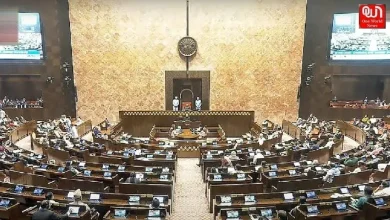
The upcoming Parliament session is expected to become an important stage in the delimitation debate.
The Lok Sabha is scheduled to reconvene on November 30, while the Rajya Sabha is scheduled to meet on December 2. The special sittings are expected to conclude by December 3, subject to parliamentary business.
Following the reported indications of support, MK Stalin chaired a meeting of DMK MPs in Chennai on November 28 to discuss the party’s position. Subsequent reports indicated that the party passed a resolution supporting the delimitation Bills.
The legislative package includes the Constitution (One Hundred and Thirty-Second Amendment) Bill, 2026, and the Delimitation (Second) Bill, 2026.
The discussions and voting in Parliament will determine the next stage of the proposed changes.
Political Reactions and the Opposition’s Concerns
The DMK’s possible support has also created political discussion within the opposition camp. Questions have emerged about whether regional parties should support the revised proposal or continue opposing the Centre’s delimitation exercise.
Tamil Nadu’s ruling Tamilaga Vettri Kazhagam (TVK) had challenged the DMK to clarify its position and demonstrate its commitment to protecting the interests of southern states.
Meanwhile, the broader debate continues to focus on federalism, equal political representation and the relationship between population growth and parliamentary strength.
Conclusion
The DMK’s position on the Delimitation Bill marks an important development in Indian politics. By reportedly addressing MK Stalin’s demands concerning Tamil Nadu representation and the existing distribution of Lok Sabha seats, the Union government appears to have created an opportunity for wider political support.
The development also highlights how regional parties can influence major constitutional decisions when state interests are involved. With the special Parliament session approaching, the proposed constitutional amendment and delimitation legislation will remain among the most closely watched political developments in the country.
We’re now on WhatsApp. Click to join.
Like this post?
Register at One World News to never miss out on videos, celeb interviews, and best reads