Sonia Gandhi Gets Legal Notice Over Savarkar Depiction in Memoir; Kin Seeks Apology and Correction
Sonia Gandhi memoir faces legal notice as Satyaki Savarkar demands an unconditional apology and correction over Savarkar's portrayal.

Sonia Gandhi Gets Legal Notice Over Savarkar Depiction in Memoir; Kin Seeks Apology, Correction
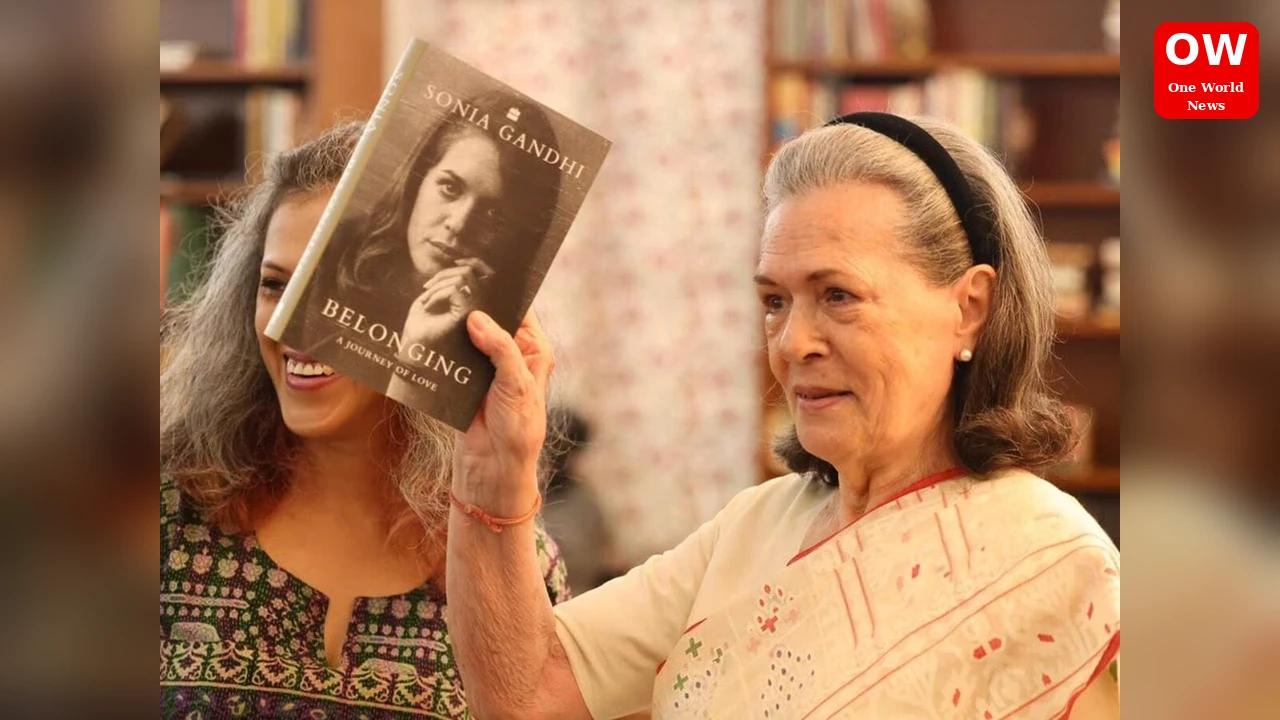
Congress leader Sonia Gandhi has received a legal notice from Satyaki Savarkar, the grandnephew of Vinayak Damodar Savarkar, over references to the Hindutva ideologue in her recently published memoir, Belonging: A Journey of Love. The notice alleges that certain statements in the book present a historically misleading and distorted account of Savarkar’s role in India’s freedom struggle and his political ideology.
The legal notice seeks an unconditional apology, a public clarification and corrections to the disputed passages. It has also raised questions about the historical interpretation presented in the memoir and the responsibility of authors and publishers when discussing controversial figures from India’s political history.
Why Has Sonia Gandhi Received a Legal Notice?
According to reports, Satyaki Savarkar issued the legal notice through his advocate, Sangram Kolhatkar. The objection concerns two particular passages appearing on pages 201 and 443 of Sonia Gandhi’s memoir.
Satyaki Savarkar has alleged that these passages contain factually inaccurate statements that could negatively affect the reputation and historical legacy of his ancestor. He argues that the references do not adequately consider the circumstances surrounding Savarkar’s imprisonment, political activities and ideological writings.
The notice reportedly gives Sonia Gandhi 15 days from receiving it to respond to the demands. If she fails to comply, Satyaki Savarkar has indicated that he may pursue appropriate legal proceedings before a competent court or authority.
Objection to References on Page 201 of the Memoir
One of the primary objections relates to a passage on page 201 of Belonging: A Journey of Love. The passage discusses the actions of Congress freedom fighters during British rule and refers to senior RSS ideologues, including Vinayak Damodar Savarkar, in connection with mercy petitions submitted to the colonial authorities.
The legal notice argues that the wording creates an impression that Savarkar and members associated with his political organisation were involved in informing or collaborating with British authorities against other Indian freedom fighters.
Satyaki Savarkar disputes this interpretation and maintains that the reference does not provide sufficient historical context. He argues that Savarkar’s petitions should be examined in light of his prolonged imprisonment, the hardships he experienced and the political circumstances surrounding his incarceration.
Savarkar spent several years in British custody, including imprisonment at the Cellular Jail in the Andaman Islands. According to the notice, mentioning his petitions without examining these circumstances presents an incomplete account of his political journey.
Disagreement Over Savarkar’s Hindutva Ideology
The second major objection concerns a passage on page 443 of the memoir. This section discusses Savarkar’s political philosophy and identifies him as the founder of the ideology known as Hindutva.
The passage describes his vision of India as one in which Hindus hold a position of supremacy and connects this outlook with the RSS, BJP and organisations collectively known as the Sangh Parivar.
However, Satyaki Savarkar has challenged this characterisation. The legal notice claims that the description oversimplifies Savarkar’s ideological position and does not adequately consider his writings, speeches and political philosophy in their historical context.
The family believes that readers could develop an inaccurate understanding of Savarkar’s political beliefs and contribution based on the disputed description.
Indira Gandhi’s Recognition of Vinayak Damodar Savarkar Cited
Interestingly, the legal notice also refers to actions taken during the tenure of former Prime Minister Indira Gandhi to support its objections.
It mentions the issuance of a commemorative postage stamp honouring Vinayak Damodar Savarkar during her government. The notice also refers to Indira Gandhi’s personal contribution of Rs 11,000 from her bank account towards the Swatantryaveer Savarkar Rashtriya Smarak.
Additionally, it highlights a biographical documentary commissioned by the Films Division of India in 1983 to mark Savarkar’s birth centenary.
Through these references, Satyaki Savarkar has questioned how the statements in Sonia Gandhi’s memoir can be reconciled with the recognition and actions associated with the Congress government under Indira Gandhi.
The notice asks Sonia Gandhi to explain the historical basis of the disputed statements and provide supporting material.
What Does Satyaki Savarkar Want Sonia Gandhi to Do?
The legal notice outlines several demands concerning the disputed content. These include:
- An unconditional written apology for the alleged inaccurate and misleading references.
- A public clarification explaining the historical context behind the statements.
- Supporting historical evidence to substantiate the claims made in the memoir.
- An acknowledgement and correction of any factual inaccuracies.
- Appropriate changes to the disputed passages in future editions, reprints and digital versions.
The notice also calls upon HarperCollins Publishers India to work towards correcting, suitably qualifying or withdrawing the objectionable statements from subsequent editions of the book.
The publisher has been brought into the dispute because the contested material appears in the published memoir.
HarperCollins Publishers and the Growing Memoir Controversy
Sonia Gandhi’s Belonging: A Journey of Love was published by HarperCollins Publishers India on November 10, 2026. The memoir has attracted public attention following its release, particularly because of its political and historical references.
The controversy surrounding Savarkar’s depiction has also triggered political reactions. Shiv Sena leaders, including Shaina NC, Sanjay Nirupam and Anand Dubey, reportedly protested against the references and demanded the removal of the disputed passages.
The legal notice has further intensified the discussion around the book, bringing questions of historical interpretation, political differences and freedom of expression into focus.
What Happens Next in the Sonia Gandhi Legal Notice Case?
The immediate development to watch is Sonia Gandhi’s response to the legal notice. Satyaki Savarkar has reportedly provided 15 days for compliance with the demands and warned that further legal action may follow if the matter remains unresolved.
As of November 24, 2026, the reported development concerns the issuance of the notice and the demands made by Savarkar’s family. No final judicial finding on the allegations has been reported.
The controversy highlights how historical personalities and their political legacies continue to generate debate in contemporary India. Whether the disagreement is resolved through a clarification, corrections or legal proceedings remains to be seen.
For now, the dispute involving Sonia Gandhi, Satyaki Savarkar and HarperCollins Publishers has placed Belonging: A Journey of Love at the centre of a wider discussion about historical accuracy and political narratives in published works.
We’re now on WhatsApp. Click to join.
Like this post?
Register at One World News to never miss out on videos, celeb interviews, and best reads.