MAHARASHTRA IRRIGATION CONTROVERSY: The Multi-Crore Irrigation Dispute, Ajit Pawar Allegations, Rising Project Costs and Questions Over Farmers’ Water Security
Maharashtra Irrigation Controversy: Explore the multi-crore project dispute, Ajit Pawar allegations, rising costs and questions over farmers' water.

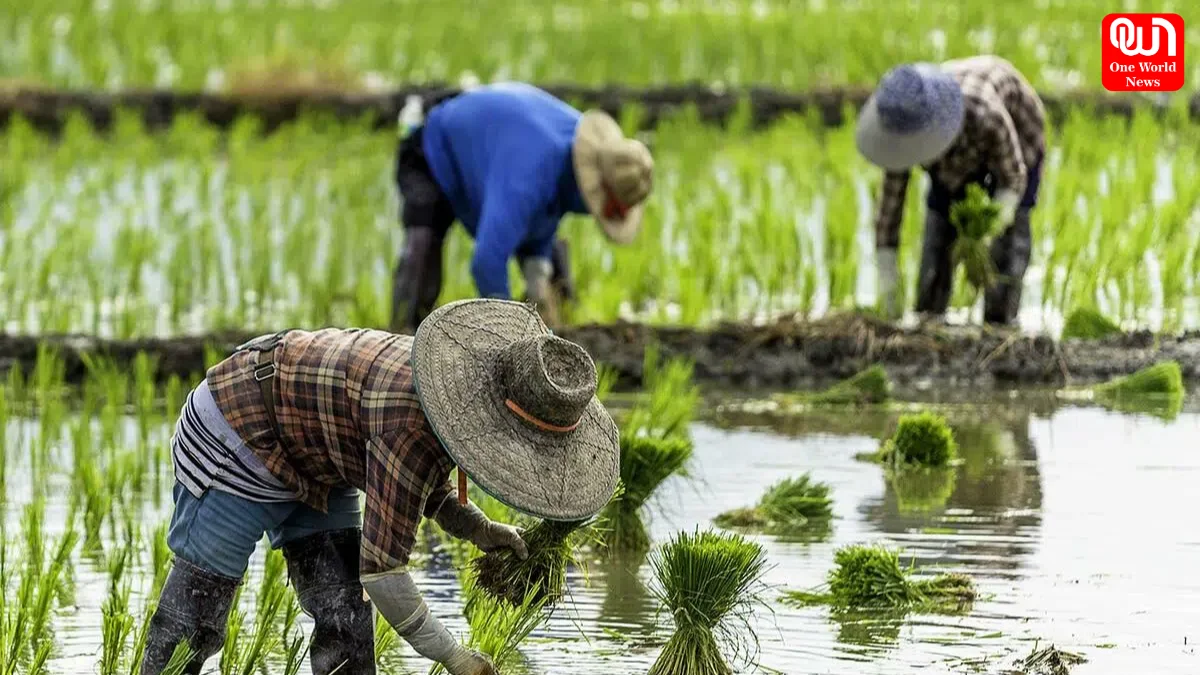
JAGO VOTER JAGO | MAHARASHTRA IRRIGATION CONTROVERSY: Where Did Thousands of Crores Go?
Maharashtra has witnessed several major political controversies over public expenditure, but the irrigation controversy raised an especially important question: despite thousands of crores of rupees being allocated to irrigation projects, why did farmers in several regions continue to face water shortages? Dams, canals and irrigation networks were expected to transform agriculture, improve water availability and reduce farmers’ dependence on unpredictable rainfall. However, delays, rising project costs and questions about administrative approvals brought the state’s irrigation department under intense public scrutiny.
The Maharashtra Irrigation Controversy became a major political issue in 2012, attracting attention from opposition parties, activists, government officials and investigative agencies. The controversy also brought the name of senior Nationalist Congress Party (NCP) leader Ajit Pawar into the political debate.
How Did the Maharashtra Irrigation Controversy Begin?
The controversy gained momentum after Maharashtra’s Economic Survey for 2011-12 highlighted a significant gap between public expenditure and irrigation expansion. According to the figures discussed at the time, approximately Rs 70,000 crore had been spent on irrigation-related projects over a decade, while the reported increase in irrigation coverage was only 0.1%.
These figures triggered serious questions about the planning, execution and monitoring of irrigation projects. Former irrigation department engineer Vijay Pandhare raised allegations of irregularities and questioned the manner in which several dam and canal projects had received approvals.
The issue became bigger when concerns emerged about cost escalations, tender procedures, project delays and the utilisation of public funds. The government subsequently announced a white paper to explain the expenditure and progress of irrigation projects.
Why Was Ajit Pawar’s Name Associated With the Controversy?
Ajit Pawar, a prominent NCP leader, was the Water Resources Minister during important periods when several of the disputed irrigation projects were planned and approved. He also headed the Vidarbha Irrigation Development Corporation (VIDC), making his administrative role an important subject of political discussion.
In September 2012, following the controversy and growing demands for accountability, Ajit Pawar resigned as Maharashtra’s Deputy Chief Minister. He returned to the position in December 2012.
Opposition leaders questioned the approval of contracts and the rising costs of irrigation schemes. However, it is important to distinguish political allegations from established findings. The association of a political leader with a department does not automatically establish personal criminal responsibility.
Rising Project Costs and Questions Over Government Spending
One of the biggest concerns surrounding the Maharashtra irrigation controversy was the substantial increase in the estimated costs of several projects.
According to reports, the estimated costs of 38 projects under the Vidarbha Irrigation Development Corporation reportedly increased from approximately Rs 6,672 crore to Rs 26,722 crore within a relatively short period. These revisions raised questions about how initial estimates were prepared and whether the necessary approvals were obtained.
The Comptroller and Auditor General (CAG) also identified serious administrative and financial management issues in its 2014 performance audit of irrigation projects.
Its findings highlighted:
- Delays in completing major irrigation projects.
- Significant cost overruns in several ongoing schemes.
- Weak monitoring and internal financial controls.
- Administrative approval-related irregularities.
- Work undertaken without completing certain mandatory clearances.
- Concerns regarding tender procedures and additional payments to contractors.
The CAG findings highlighted the need for stronger transparency and accountability in public infrastructure spending.
What Did the Chitale Committee Investigation Reveal?
Following the controversy, the Maharashtra government established a Special Investigation Team (SIT) headed by water resources expert Madhav Chitale in December 2012.
The committee examined project costs, administrative procedures and the functioning of irrigation development corporations. Its report was presented in 2014.
The committee attributed several problems to administrative and procedural failures, including delays in land acquisition, rehabilitation, changes in project designs and rising construction costs. It also identified shortcomings in the functioning of government departments and recommended corrective measures.
Importantly, the committee did not hold Ajit Pawar personally responsible for the alleged irregularities. Its findings presented a different picture from several opposition allegations, although questions about project management and accountability continued.
The Anti-Corruption Bureau (ACB) also conducted inquiries into various irrigation-related matters. The investigation process and subsequent developments remained subjects of political and public discussion.
Why Did Farmers Continue to Face Water Shortages?
The most important question was not simply how much money the government had spent, but whether irrigation projects were delivering their promised benefits.
For farmers, incomplete canals, delayed dams and inadequate water distribution can directly affect agricultural production. Even when a dam is constructed, farmers may not receive the expected benefits if distribution networks, pipelines and supporting infrastructure remain unfinished.
Maharashtra’s agricultural economy depends heavily on reliable water availability. Regions facing drought conditions and irregular rainfall require effective irrigation planning, timely project completion and transparent water management.
Therefore, public expenditure must be evaluated against actual irrigation coverage, water availability and benefits delivered to farming communities.
Read more: Canada Declares Goldy Brar Its Most-Wanted Fugitive, Announces $250,000 Reward
Jago Voter Jago: Questions Every Voter Should Ask
The Maharashtra Irrigation Controversy highlights why public accountability matters in a democracy. Voters deserve clear answers about government expenditure and infrastructure development.
Some important questions remain central to public discussion:
- Were irrigation projects completed within their original budgets and deadlines?
- Why did the estimated costs of several projects increase substantially?
- Were contractors selected through transparent procedures?
- Did the investigations establish accountability for administrative irregularities?
- Did farmers receive the irrigation benefits promised through these projects?
These questions should be examined through official records, audit reports, investigation findings and verified government information rather than political claims alone.
Conclusion: Public Money Must Deliver Public Benefits
The Maharashtra Irrigation Controversy is an important reminder that infrastructure development cannot be measured only through budget announcements or the number of projects approved. Real progress means completed dams, functioning canals, reliable water distribution and tangible benefits for farmers.
For voters, the issue goes beyond political parties and individual leaders. It concerns transparency, responsible governance and the proper utilisation of taxpayers’ money.
Remember, irrigation funds are not merely government figures; they are connected to farmers’ livelihoods, agricultural growth and the future of rural Maharashtra.
Stay informed, ask questions and demand accountability.
Keep watching One World News – Jago Voter Jago!
We’re now on WhatsApp. Click to join.
Like this post?
Register at One World News to never miss out on videos, celeb interviews, and best reads.