
Islam May Become the World’s Largest Religion by 2035, Says New Pew Research Study
Pew Research Centre projects Islam may overtake Christianity by 2035 as fertility rates reshape global population and religious demographics.

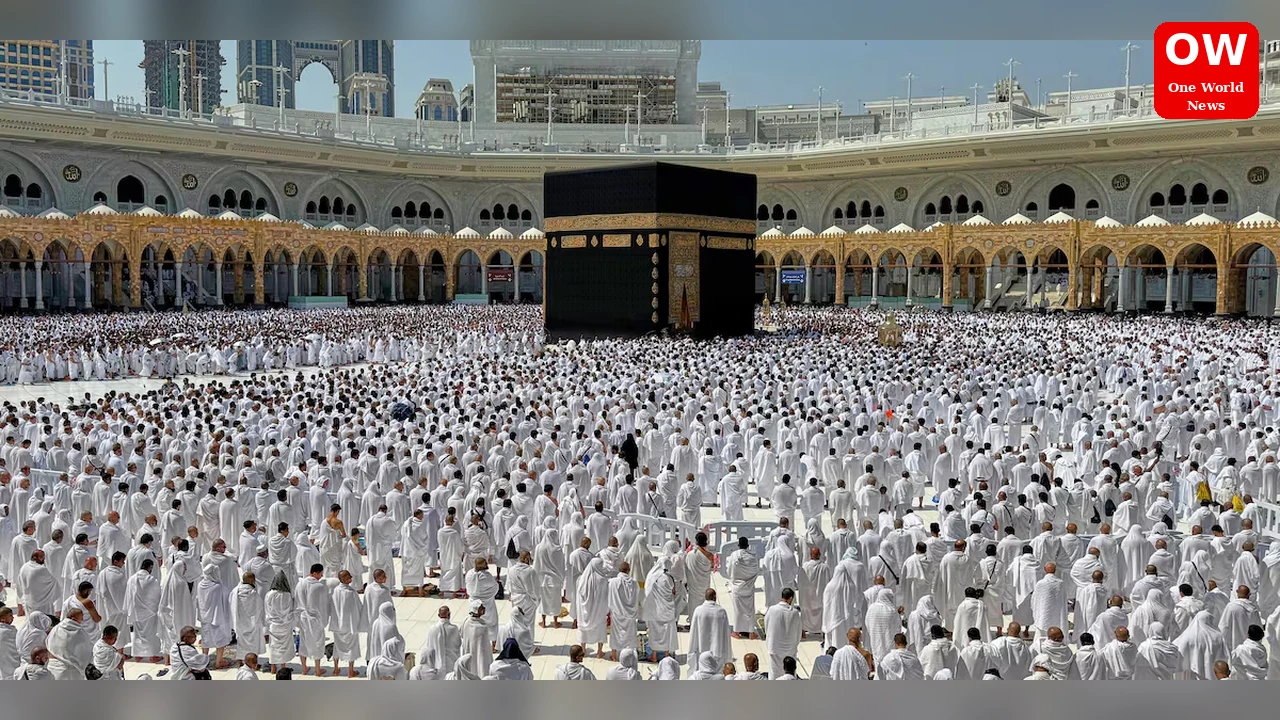
Islam May Surpass Christianity As World’s Largest Religion By 2035: Pew Research Centre Study Reveals Major Changes In Global Population, Religious Demographics, Fertility Rates And Muslim Population Growth
The global religious landscape could witness a significant transformation over the next decade, with Islam projected to surpass Christianity as the world’s largest religion by 2035. According to a new study by the Pew Research Centre, changing population patterns, higher fertility rates and differences in age structures are expected to influence the future of major religious communities worldwide.
The research, released on November 18, 2026, examines how the global population of different religious groups could change between 2020 and 2070. Its findings suggest that the Muslim population is growing faster than other major religious communities, while Christianity is also expected to continue increasing in numbers.
The study also highlights a gradual decline in the global population share of Hindus, Buddhists and religiously unaffiliated people.
Islam Expected to Surpass Christianity by 2035
According to the Pew Research Centre’s latest projections, Muslims could become the world’s largest religious group by 2035. In 2020, Christianity remained the largest religion, with approximately 2.27 billion followers, compared with around 2.02 billion Muslims.
However, the projected figures indicate that the Muslim population could reach approximately 2.57 billion by 2035, slightly exceeding the estimated 2.52 billion Christians.
This development represents an important shift in global religious demographics. The research suggests that Islam’s faster population growth, rather than widespread religious conversion, will primarily contribute to this change.
Both religions are expected to gain followers in absolute numbers, but the Muslim population is projected to increase at a considerably faster pace.
Higher Fertility Rates Driving Muslim Population Growth
One of the major factors behind the increasing Muslim population is the difference in fertility rates between religious communities.
According to the study, Muslim women had an average of approximately 3.1 children between 2020 and 2025. In comparison, the average fertility rate among Christian women was around 2.5 children.
Higher fertility rates generally contribute to faster population growth, particularly when combined with younger population structures.
Muslim communities also have a relatively young age profile, meaning a larger proportion of their population is entering or remains within childbearing age groups.
These demographic characteristics are expected to contribute significantly to the expansion of Islam over the coming decades.
Read more: PM Modi Picks Indian Flag Marker During Quad Leaders’ Photo-Op In Manila, Trump Reacts | Video
Christianity Will Continue to Grow Despite Changing Rankings
Although Christianity may lose its position as the world’s largest religion by 2035, the study does not suggest that its global population will decline in absolute terms.
Instead, the Christian population is expected to increase from approximately 2.27 billion in 2020 to nearly 2.96 billion by 2070.
However, its growth rate is projected to remain slower than that of Islam.
Another important finding concerns the changing geographical distribution of Christians. Sub-Saharan Africa is expected to become increasingly important to global Christianity, with a growing proportion of Christians living in the region.
This shift reflects differences in population growth, fertility rates and age structures across continents.
Hindu Population Share Expected to Decline Gradually
The Pew Research Centre study also examines the future of Hinduism in the changing global religious landscape.
Hinduism is currently the world’s third-largest major religious group. The research estimates that approximately 1.18 billion Hindus lived worldwide in 2020.
Their population is projected to increase to nearly 1.38 billion by 2070. However, the Hindu share of the global population could decline from approximately 14.9% in 2020 to 13.6% in 2070.
This does not mean that the number of Hindus will decrease. Rather, the Hindu population is expected to grow more slowly than the overall global population.
India will continue to remain the primary centre of Hinduism. According to the projections, Hindus will continue to account for more than three-quarters of India’s population, even as their share gradually changes.
The report estimates that the number of Hindus in India could increase by approximately 176 million between 2020 and 2070.
What Other Religious Groups May Experience
The study also explores projected changes among Buddhists, Jews and people who identify as religiously unaffiliated.
Buddhism is expected to experience a decline in both population numbers and its share of the global population. The number of Buddhists could fall from approximately 320 million in 2020 to 250 million by 2070.
Meanwhile, the number of religiously unaffiliated people is projected to decline from approximately 1.91 billion to 1.72 billion during the same period.
The Jewish population is expected to increase slightly in absolute numbers, although its global population share could remain relatively stable.
These findings demonstrate that population growth is not evenly distributed among religious communities.
Religious Demographics Beyond 2035: What Could Change by 2070?
The long-term projections suggest that the difference between Islam and Christianity could become more significant by 2070.
The Muslim population is expected to reach approximately 3.64 billion, accounting for around 35.8% of the global population. Christianity could have approximately 2.96 billion followers, representing around 29.1%.
The Asia-Pacific region will continue to be home to a substantial Muslim population, although its share of the worldwide Muslim population is expected to decrease as Africa experiences faster growth.
The study also projects that Pakistan could replace Indonesia as the country with the largest Muslim population by 2070.
These developments highlight how migration, fertility rates, mortality and population age structures can reshape religious communities over time.
What the Pew Research Centre Study Actually Tells Us
The latest research offers an important understanding of how the world’s major religions may evolve over the coming decades.
However, these figures are demographic projections based on existing trends, not guaranteed outcomes. Changes in economic conditions, migration, mortality, religious switching and other unexpected developments could influence future population patterns.
The findings also do not suggest that one religion is growing at the direct expense of another. Both Islam and Christianity are expected to increase in population, although at different rates.
Overall, the Pew Research Centre study highlights the changing relationship between population growth and religion. If current demographic patterns continue, Islam could become the world’s largest religion by 2035, while Christianity will remain a major global faith and Hinduism will continue to represent a significant part of the world’s religious population.
We’re now on WhatsApp. Click to join.
Like this post?
Register at One World News to never miss out on videos, celeb interviews, and best reads.