
Bhutan GLOF Triggers Flood Alert in Assam and West Bengal as Himalayan Glacial Lake Outburst Raises Concerns
Bhutan GLOF triggers Assam flood alert and West Bengal flash flood warning, highlighting risks from transboundary rivers and climate change.

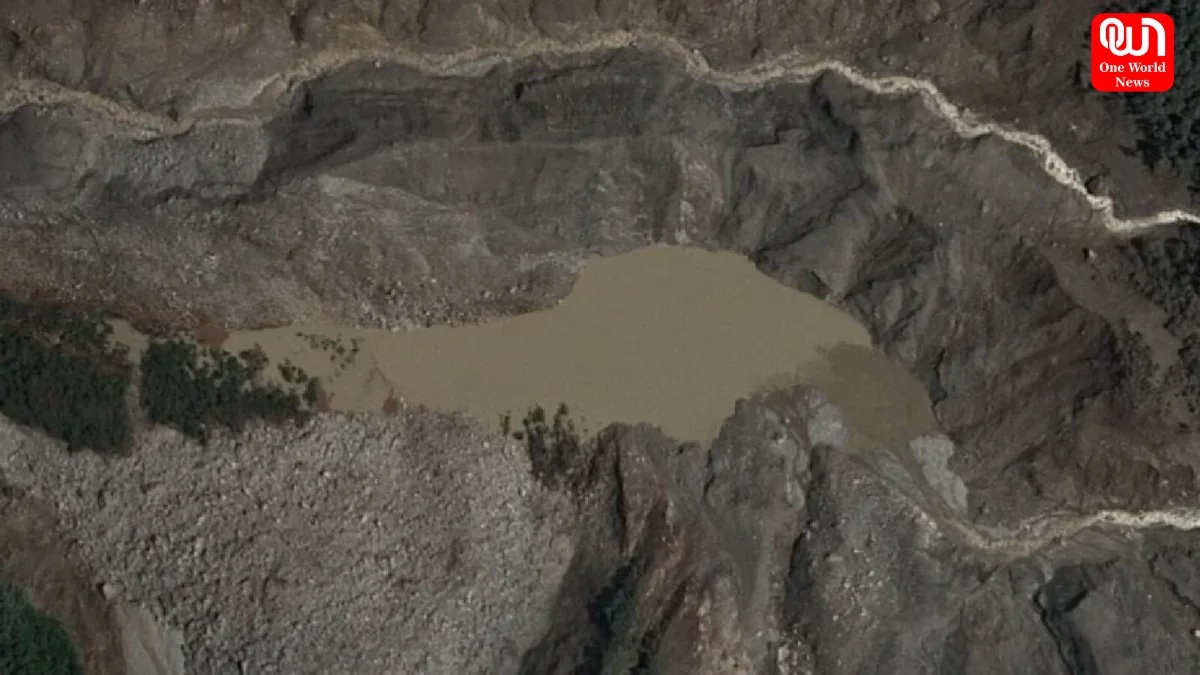
Bhutan Glacial Lake Burst Raises Flood Concerns in Assam and West Bengal: Understanding the Growing Himalayan Risk
A sudden glacial lake outburst in Bhutan has triggered flood warnings across parts of Assam and West Bengal, putting several downstream communities on alert. The incident at Shintaphu Lake in northwestern Bhutan has raised concerns about rapidly rising river levels, possible flash floods and the safety of settlements located near riverbanks. Authorities in neighbouring Indian states are monitoring the situation and taking precautionary measures to reduce potential risks.
The latest development has once again highlighted how natural disasters in the Himalayan region can affect communities across international borders. The Glacial Lake Outburst Flood has also brought attention to the growing vulnerability of mountain ecosystems as glaciers continue to experience changes due to rising temperatures.
What Happened at Bhutan’s Shintaphu Lake?
The glacial lake outburst was reported on Thursday evening, October 29, in Bhutan’s Gasa district. Shintaphu Lake, situated in the northwestern Himalayan region, is considered one of Bhutan’s potentially dangerous glacial lakes.
The sudden release of water caused a strong flood surge through the Mo Chhu river system, damaging infrastructure near Gasa Tshachu, a popular natural hot spring destination. Fortunately, the area had been evacuated before the floodwaters arrived, and no casualties were reported in the initial updates.
Reports also indicated damage to local infrastructure and road connectivity. The full extent of the destruction remained under assessment as authorities continued monitoring the situation.
This incident has renewed concerns about the possibility of similar events in other high-altitude lakes across the Himalayan region.
Assam and West Bengal Placed on High Alert
The GLOF Bhutan incident has prompted precautionary flood warnings in vulnerable areas of Assam and West Bengal. The sudden water surge could affect downstream river channels, particularly communities situated close to the Sankosh River and its connected waterways.
In West Bengal, districts including Alipurduar and Cooch Behar have received special attention. Residents living near riverbanks and vulnerable settlements have been advised to move towards safer locations and follow administrative instructions.
In Assam, Dhubri and Kokrajhar districts are among the areas being monitored. The state government has coordinated with disaster response agencies to maintain preparedness and ensure that emergency assistance can be provided if required.
The Assam flood alert is particularly important because sudden changes in river levels can create dangerous conditions for riverside villages, agricultural land, roads and local infrastructure.
How Transboundary Rivers Increase Flood Risks
One of the major concerns associated with this incident is the movement of floodwater across connected river systems. Water released in Bhutan can travel downstream through rivers that eventually enter Indian territory.
The Mo Chhu and Sankosh river systems play an important role in carrying water from the Himalayan region towards downstream areas. The Sankosh is also connected to the wider Brahmaputra river system.
These interconnected waterways demonstrate why transboundary rivers require coordinated monitoring and communication between neighbouring countries.
A sudden rise in water levels may affect settlements far away from the original source of the flood. This makes early warnings, accurate river monitoring and timely evacuation essential for reducing the impact of such disasters.
What Is a Glacial Lake Outburst Flood (GLOF)?
A Glacial Lake Outburst Flood occurs when a large volume of water stored in a glacial lake is suddenly released. These lakes commonly develop as glaciers retreat and meltwater collects behind natural barriers made of ice, rocks and loose sediments.
If the natural barrier becomes unstable or breaks, the stored water can rush downstream with considerable force. Landslides, avalanches, earthquakes, heavy rainfall and rapid melting can contribute to such events.
Unlike ordinary river flooding, a GLOF can develop rapidly and carry rocks, mud and other debris along with water. This combination can cause serious damage to bridges, roads, buildings, hydropower facilities and agricultural areas.
Himalayan Climate Crisis: Why These Events Matter
The latest incident has brought renewed attention to the Himalayan climate crisis. Rising temperatures are accelerating glacier retreat in several mountain regions, changing the formation and stability of glacial lakes.
As glaciers lose mass, more meltwater can accumulate in high-altitude basins. Not every glacial lake will cause an outburst, but unstable lakes can create significant hazards for downstream communities.
The Himalayan region is particularly sensitive because millions of people depend on its rivers for drinking water, agriculture, electricity generation and other economic activities.
The situation also highlights the importance of studying vulnerable lakes and improving scientific forecasting systems before another major flood occurs.
Disaster Management and Safety Measures
Effective disaster management is essential when dealing with sudden mountain floods. Authorities need reliable monitoring systems, clear communication channels and well-planned evacuation arrangements.
Residents living near rivers should pay attention to official announcements and avoid approaching riverbanks to observe rising water levels. People should also keep essential documents, medicines, drinking water and emergency supplies ready when evacuation warnings are issued.
Government agencies can strengthen preparedness through early-warning technology, river-level monitoring stations, emergency shelters and coordinated rescue operations.
Regular cooperation between Bhutan and Indian authorities is equally important because floodwater does not follow international boundaries.
What Lies Ahead for the Brahmaputra Valley?
The incident has raised important questions about flood preparedness across the Brahmaputra valley and other downstream regions. While the immediate situation requires close monitoring, the broader challenge involves preparing for climate-related hazards that can emerge suddenly in the Himalayas.
Better glacial lake mapping, scientific research, cross-border information sharing and community awareness can help reduce future risks.
The Bhutan lake outburst is a reminder that mountain disasters can have consequences far beyond their place of origin. Protecting vulnerable communities in Assam and West Bengal will require continuous vigilance, stronger early-warning networks and long-term cooperation between neighbouring regions.
We’re now on WhatsApp. Click to join.
Like this post?
Register at One World News to never miss out on videos, celeb interviews, and best reads.