World’s First Cancer Vaccine Cuts Risk Of Metastasis By 38%: How Personalised Shots Train The Immune System To Work?
Cancer vaccine breakthrough: Moderna Merck vaccine cuts melanoma spread risk by 38%, advancing personalised cancer treatment with mRNA technology.

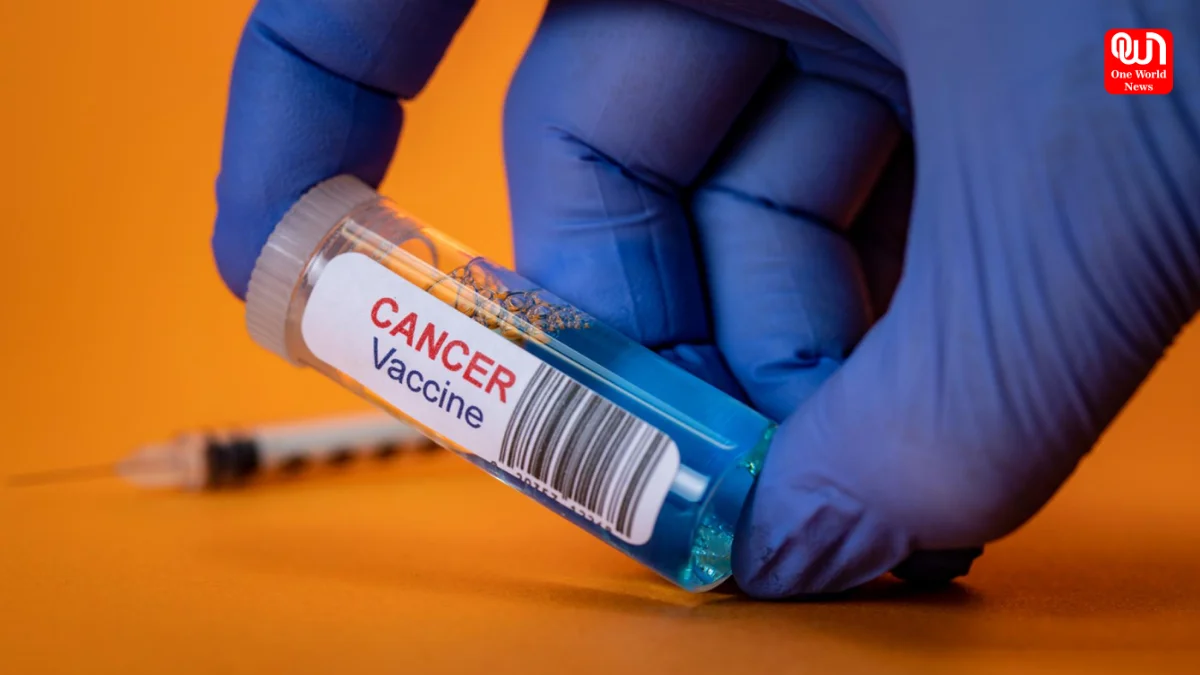
World’s First Cancer Vaccine Cuts Metastasis Risk by 38%: How the Moderna Merck Vaccine, Personalised Cancer Treatment and mRNA Technology Could Transform Melanoma Treatment
A major breakthrough in cancer research has brought personalised treatment into the spotlight. A new cancer vaccine developed by Moderna and Merck has reduced the risk of cancer spreading to distant parts of the body by 38% when combined with Keytruda, according to results from a Phase 3 clinical trial announced in October 2026.
The experimental vaccine, called intismeran autogene, is designed using the unique genetic characteristics of an individual patient’s tumour. Rather than preventing cancer before it develops, this approach aims to help the immune system recognise and attack cancer cells that may remain after surgery.
The findings could represent an important step forward in personalised cancer treatment, particularly for people with high-risk melanoma, an aggressive form of skin cancer. However, the vaccine remains investigational, and further research and regulatory review are needed before it can become widely available.
What Is the Moderna Merck Cancer Vaccine?
The Moderna Merck vaccine, also known as intismeran autogene or V940, is an experimental messenger RNA (mRNA)-based personalised cancer treatment. It is being developed jointly by Moderna and Merck, which is known as MSD in several countries.
Unlike conventional preventive vaccines, this treatment is designed for patients who have already been diagnosed with cancer and undergone surgery to remove their tumours.
The vaccine uses information obtained from a patient’s tumour sample to identify specific genetic changes associated with cancer. It then provides instructions that help the immune system recognise selected tumour-related targets.
The Phase 3 INTerpath-001 trial included 1,137 patients with high-risk stage II to IV melanoma that had been completely removed through surgery. Researchers compared the vaccine combined with Keytruda against Keytruda alone.
According to the reported results, the combination reduced the relative risk of recurrence or death by 42% and the risk of distant metastasis or death by 38% compared with Keytruda alone.
How Does an mRNA Cancer Vaccine Train the Immune System?
The principle behind an mRNA cancer vaccine is to help the body’s natural defence system identify cancer cells more effectively.
Cancer cells can carry mutations that distinguish them from healthy cells. Some of these mutations produce abnormal proteins, known as neoantigens, which can potentially be recognised by immune cells.
The personalised vaccine uses this information to prepare the immune system to respond to selected cancer-related targets.
The process generally involves three steps:
- Tumour analysis: Doctors obtain a tumour sample and analyse its genetic mutations to identify suitable targets.
- Vaccine development: Scientists create a personalised mRNA formulation containing instructions for selected tumour-associated neoantigens.
- Immune activation: After vaccination, immune cells process the encoded information and activate targeted T-cell responses that may recognise and attack cancer cells carrying the relevant markers.
The goal is to strengthen the body’s ability to detect cancer cells that might otherwise escape immune surveillance. Because the vaccine is tailored to an individual’s tumour, its targets can differ from one patient to another.
How Keytruda Strengthens the Treatment
The promising results are linked to combining the personalised vaccine with Keytruda, an immunotherapy drug containing pembrolizumab.
Keytruda works by blocking the PD-1 immune checkpoint, which can limit the ability of T cells to attack cancer. Blocking this pathway can help immune cells maintain an effective response against tumour cells.
The vaccine and the drug therefore have complementary roles. The vaccine helps the immune system recognise selected cancer targets, while Keytruda helps remove an important brake on the immune response.
Read more: Can AI Personalise Menopause Care? How Technology Can Transform Women’s Health
This combination was evaluated in the Keytruda trial, officially known as INTerpath-001 for the Phase 3 study. Participants received the personalised vaccine alongside Keytruda or received Keytruda with a placebo.
Researchers found that the combination improved recurrence-free survival and distant metastasis-free survival compared with Keytruda alone. These findings suggest that personalised vaccination may add benefits to established immunotherapy in selected patients with melanoma.
Why Tumour Mutations Matter in Personalised Cancer Treatment
Every tumour can have a different collection of genetic alterations. Even cancers affecting the same organ may carry different mutations, making a single treatment target unsuitable for every patient.
Identifying tumour mutations allows researchers to develop therapies based on the biological characteristics of an individual’s cancer.
This approach could potentially make cancer treatment more targeted, although not every mutation produces a useful immune target. Tumours can also evolve, and some cancer cells may avoid detection by the immune system.
Personalised vaccines therefore require genetic analysis, specialised manufacturing and careful patient selection. Researchers must also determine how consistently these treatments work across different cancer types and stages.
What the 38% Reduction Means for Patients
The reported 38% reduction refers to the relative risk of distant metastasis or death, not a 38-percentage-point decrease in the number of patients whose cancer spreads.
In the Phase 3 trial, the estimated two-year distant metastasis-free survival rate was 88.5% among patients receiving the combination, compared with 80.2% among those receiving Keytruda alone. These figures indicate that a greater proportion of patients in the combination group remained free of distant metastasis or death during the measured period.
The results are encouraging, but they do not mean the vaccine eliminates cancer or guarantees long-term survival. Researchers continue to assess longer-term outcomes, including overall survival, and the treatment’s safety profile and effectiveness require ongoing evaluation.
Can the Cancer Vaccine Treat Other Types of Cancer?
Researchers are investigating personalised mRNA therapies in other cancers, including kidney, bladder and lung cancers. However, results from melanoma cannot automatically be applied to these diseases.
Different cancers have different mutations, immune environments and responses to treatment. Larger clinical trials will be needed to establish whether personalised vaccines provide meaningful benefits for other patient groups.
Read more: Why Sleep Matters: Understanding the Importance of Quality Rest
Cost, manufacturing time, access to tumour sequencing and availability of specialised cancer centres may also influence how widely this technology can be used.
Conclusion
The Moderna and Merck cancer vaccine marks a promising development in personalised cancer treatment. By using tumour-specific genetic information to train immune responses, the experimental mRNA vaccine may help reduce melanoma recurrence and the risk of cancer spreading when combined with Keytruda.
The 38% reduction in distant metastasis risk reported in the Phase 3 trial is encouraging, but the treatment is not yet a universal cancer cure. Regulatory review, longer-term follow-up and further research will determine its eventual role in cancer care.
We’re now on WhatsApp. Click to join.
Like this post?
Register at One World News to never miss out on videos, celeb interviews, and best reads.