Ahoi Ashtami 2026 Date: Time, Puja Muhurat, Significance and Rituals Explained
Ahoi Ashtami 2026 date, puja muhurat, vrat timings, rituals and significance explained. Know the auspicious time and how to observe this sacred fast.

Ahoi Ashtami 2026 Date, Puja Muhurat, Vrat Timings, Significance, Rituals and Everything You Need to Know
Ahoi Ashtami is an important Hindu festival dedicated to the well-being, happiness, prosperity and long life of children. Mothers observe a day-long fast and worship Ahoi Mata with devotion and faith. The festival is especially popular in North India, including Delhi, Uttar Pradesh, Haryana, Rajasthan and Punjab.
Ahoi Ashtami 2026 will be celebrated on Sunday, 1 November 2026. It falls on the Ashtami Tithi of Krishna Paksha during the Hindu month of Kartik, according to the North Indian calendar. The festival is observed a few days after Karwa Chauth and approximately one week before Diwali.
Ahoi Ashtami Puja Muhurat 2026
The evening is considered the most auspicious period for worshipping Ahoi Mata. Mothers prepare for the puja, arrange the necessary samagri and offer prayers during the designated muhurat.
According to the New Delhi Panchang, the main timings for Ahoi Ashtami 2026 are:
- Festival date: Sunday, 1 November 2026
- Ahoi Ashtami puja muhurat: 5:36 PM to 6:54 PM
- Ashtami Tithi begins: 2:51 PM on 1 November
- Ashtami Tithi ends: 1:10 PM on 2 November
- Approximate star-sighting time: Around 6:00 PM
- Approximate moonrise: Around 11:40 PM
These timings are for New Delhi and may vary by location and Panchang calculation. Families should confirm their local timings before performing the rituals.
Ahoi Ashtami Vrat Timings and Fasting Rules
Ahoi Ashtami vrat timings generally begin early in the morning. Traditionally, women observe the fast from sunrise until the stars become visible in the evening. Some devotees follow a strict nirjala vrat, avoiding both food and water, while others observe a modified fast according to their health and family customs.
After completing the evening puja, devotees offer arghya to the stars and pray for their children’s well-being. The fast is usually concluded after star sighting. However, some families follow the custom of breaking the fast after seeing the moon.
Since the moonrise is late in 2026, many families may prefer the traditional star-sighting ritual. Fasting practices differ, so devotees can follow their household traditions while prioritising their health.
Ahoi Ashtami Significance
The significance of Ahoi Ashtami lies in a mother’s unconditional love and prayers for her children. Devotees worship Ahoi Mata, who is associated with the protection, longevity and happiness of children.
According to a popular traditional story, a woman accidentally harms the cubs of a wild animal while digging the earth. Following the incident, she experiences great sorrow and seeks divine forgiveness. Through sincere devotion and the observance of the vrat, she receives blessings. The story highlights compassion towards living beings, repentance and faith in the Divine.
Although the fast was traditionally associated with sons, many families today observe Ahoi Ashtami for the health, safety and prosperity of all their children, including daughters.
Read more: Face-Offs With China in Arunachal Pradesh Still Ongoing: ITBP Chief Praises Shaurya Commandos
Ahoi Ashtami Puja Rituals: Step-by-Step Vidhi
Devotees can follow these customary steps to perform the Ahoi Ashtami puja:
- Clean the puja area: Begin the day by cleaning the home and preparing a sacred place for worship.
- Observe the vrat: Take a morning vow to observe the fast according to your family’s tradition.
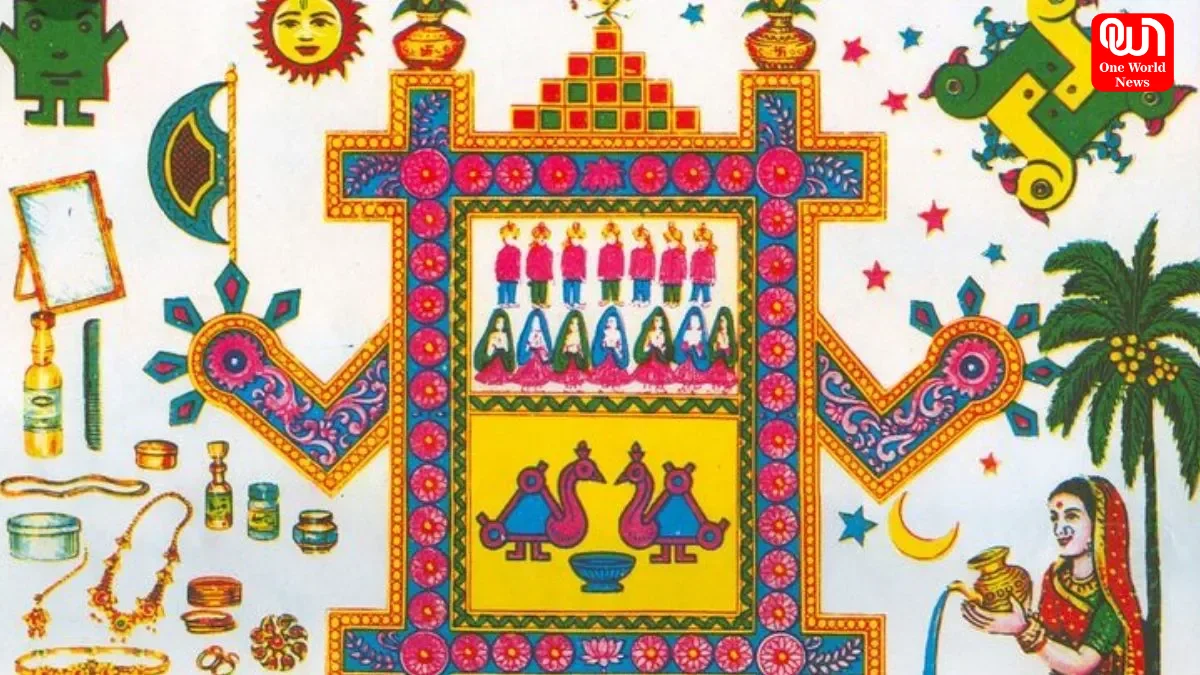
- Prepare the Ahoi Mata image: Place an image or traditional drawing of Ahoi Mata on a clean wall or puja surface.
- Arrange puja samagri: Keep flowers, roli, rice grains, a diya, water, sweets and other customary offerings ready.
- Perform the evening puja: Worship Ahoi Mata during the auspicious muhurat and pray for your children’s well-being.
- Read the vrat katha: Listen to or recite the traditional Ahoi Ashtami story and offer prayers with devotion.
- Offer arghya to the stars: Once the stars are visible, offer water according to your family tradition and conclude the fast.
Ahoi Ashtami Puja Samagri
Commonly used puja items include an image of Ahoi Mata, a diya, cotton wicks, ghee or oil, roli, rice grains, flowers, incense sticks, water, sweets, fruits and a small vessel for offering arghya. Some households also use a traditional Ahoi mala or silver symbol associated with the festival.
Preparing these items in advance helps devotees perform the evening rituals peacefully.
Conclusion
Ahoi Ashtami 2026 will be observed on 1 November, bringing families together through devotion, prayer and traditional rituals. Knowing the Ahoi Ashtami puja time, vrat timings and significance helps devotees prepare for the occasion. By worshipping Ahoi Mata, listening to the vrat katha and offering prayers for their children’s happiness and well-being, mothers continue a cherished tradition rooted in faith, compassion and love.
We’re now on WhatsApp. Click to join.
Like this post?
Register at One World News to never miss out on videos, celeb interviews, and best reads.