Karnataka High Court Strikes Down Enhanced SC/ST Quota, Says Breaches 50% Reservation Cap
Karnataka High Court strikes down enhanced SC/ST reservation quota, citing the 50 percent ceiling, constitutional validity and the Indra Sawhney judgment.

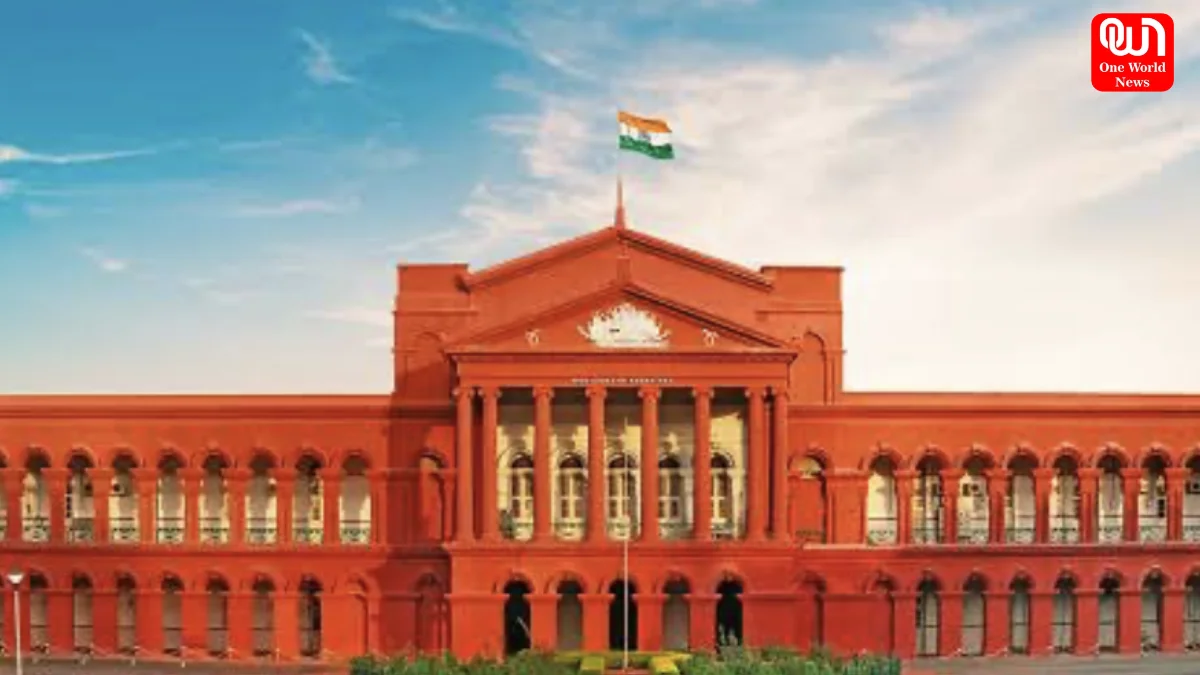
Karnataka High Court Strikes Down Enhanced Reservation Quota for Scheduled Castes and Scheduled Tribes, Citing Violation of the 50 Percent Ceiling and Constitutional Principles
The Karnataka High Court has struck down the enhanced reservation provisions for Scheduled Castes (SCs) and Scheduled Tribes (STs), ruling that the increased quotas breached the established 50% reservation ceiling. The verdict, delivered on October 12, 2026, marks a significant development in India’s ongoing debate over affirmative action, social justice and constitutional limits on reservation policies.
The court examined the constitutional validity of the Karnataka government’s decision to increase reservation for these communities through a 2022 state law. The changes raised the overall reservation in Karnataka from 50% to 56%, prompting legal challenges over whether the state could exceed the established limit.
The ruling highlights the continuing importance of constitutional safeguards and the Supreme Court’s landmark Indra Sawhney judgment in shaping reservation policies across India.
What Did the Karnataka High Court Rule?
A division bench comprising Chief Justice Vibhu Bakhru and Justice K. S. Hemalekha struck down the relevant provisions of the Karnataka Scheduled Castes and Scheduled Tribes (Reservation of Seats in Educational Institutions and of Appointments or Posts in the Services under the State) Act, 2022.
The legislation increased the reservation quota for Scheduled Castes from 15% to 17% and for Scheduled Tribes from 3% to 7%. With the existing 32% reservation for Other Backward Classes (OBCs), the combined quota rose to 56%.
The court held that the enhanced provisions violated constitutional equality guarantees. Section 3 was struck down to the extent that it pushed the aggregate reservation beyond 50%, while Section 4, concerning enhanced reservation in state government services, was also declared unconstitutional.
The judgment reinforces the principle that state governments must frame reservation policies within the constitutional framework and cannot exceed established limits without legally sustainable grounds for an exception.
Read more: IMD Issues Red Alert For Delhi As Heavy Rain, Thunderstorms Lash Capital
Why Was the Enhanced Reservation Quota Challenged?
The legal challenge focused on whether Karnataka could increase reservations beyond the 50% ceiling without establishing extraordinary circumstances that would justify such a departure.
The state government relied on reports examining the social conditions, backwardness and inadequate representation of Scheduled Castes and Scheduled Tribes. These included recommendations associated with the Justice Nagamohan Das Commission and other committees examining representation and social disadvantage.
The government also argued that SC, ST and OBC communities collectively account for more than 90% of Karnataka’s population, making a higher reservation percentage necessary.
However, the petitioners questioned the legal basis for exceeding the existing ceiling. The court rejected the argument that the population share of backward communities, by itself, justified raising reservations beyond 50%.
It emphasised that evidence of inadequate representation could support affirmative action, but did not automatically establish extraordinary circumstances permitting a breach of the ceiling.
Understanding the 50 Percent Reservation Ceiling
The 50% reservation ceiling is an important principle in India’s constitutional and judicial framework. It seeks to balance affirmative action for disadvantaged communities with the constitutional guarantees of equality and equal opportunity.
Although reservation policies are intended to address historical discrimination and inadequate representation, courts have repeatedly examined whether such measures remain consistent with constitutional requirements.
The ceiling is not simply a numerical guideline that states can disregard whenever they consider a higher quota necessary. Any departure must satisfy the applicable legal standards and be supported by compelling circumstances.
The Karnataka High Court’s decision underlines that the state government’s assessment of social disadvantage cannot, on its own, override these constitutional constraints.
Role of the Indra Sawhney Judgment
The landmark 1992 Indra Sawhney judgment, delivered by the Supreme Court, remains central to India’s reservation jurisprudence. The ruling established that reservations for backward classes under Article 16(4) should ordinarily not exceed 50%, while recognising that exceptional circumstances may justify a limited departure.
This principle has influenced reservation policies and legal disputes across several states.
In the Karnataka case, the High Court relied on the established legal framework to assess whether the enhanced quota could be sustained. It held that the state had not established a sufficient basis for exceeding the ceiling merely by citing population figures or inadequate representation.
The decision also demonstrates how the Indra Sawhney judgment continues to influence contemporary disputes involving affirmative action and the constitutional validity of state legislation.
Constitutional Provisions and Consultation Requirements
The court examined the matter in the context of Articles 14, 15 and 16 of the Constitution, which address equality before the law, non-discrimination and equality of opportunity in public employment.
It also considered the constitutional requirement to consult the National Commission for Scheduled Castes and the National Commission for Scheduled Tribes on major policy matters affecting these communities.
Under Articles 338(9) and 338A(9), the relevant commissions must be consulted on major policy matters affecting SCs and STs. The court observed that communications sent to the commissions years after the legislation was enacted could not substitute for meaningful prior consultation.
This aspect of the judgment highlights that the process used to formulate reservation policies can be as important as the policy’s stated objective.
What Happens Next for Karnataka’s Reservation Policy?
The verdict creates a major challenge for Karnataka’s efforts to implement the enhanced reservation quota. The state government may explore further legal remedies, including an appeal before the Supreme Court.
The government and political leaders have also raised the broader question of whether the 50% ceiling should be reconsidered. However, any attempt to protect or revive the enhanced quota will need to address the legal objections identified by the High Court.
For students, job aspirants and communities affected by the decision, the practical implications will depend on subsequent government action, applicable administrative directions and any further judicial proceedings.
The ruling may also influence discussions in other states where governments have considered reservation levels exceeding 50%.
Conclusion
The Karnataka High Court’s decision to strike down the enhanced SC/ST reservation provisions reinforces the legal significance of the 50 percent ceiling and the constitutional principles governing affirmative action.
By referring to the Indra Sawhney judgment and examining the state’s justification for increasing quotas, the court clarified that social disadvantage and population share alone do not automatically justify exceeding established reservation limits.
The judgment places constitutional validity, equality guarantees and proper consultation at the centre of reservation policy. The next steps taken by the Karnataka government, including any appeal, will determine how the dispute develops and what legal options remain available for implementing enhanced reservation for Scheduled Castes and Scheduled Tribes.
We’re now on WhatsApp. Click to join.
Like this post?
Register at One World News to never miss out on videos, celeb interviews, and best reads.