With Indus Waters Treaty On Hold, Pakistan Projects 22% Water Shortage This Season
Pakistan projects a 22% water shortage for Rabi 2026–27 as the Indus Waters Treaty remains on hold and declining water inflows raise concerns.

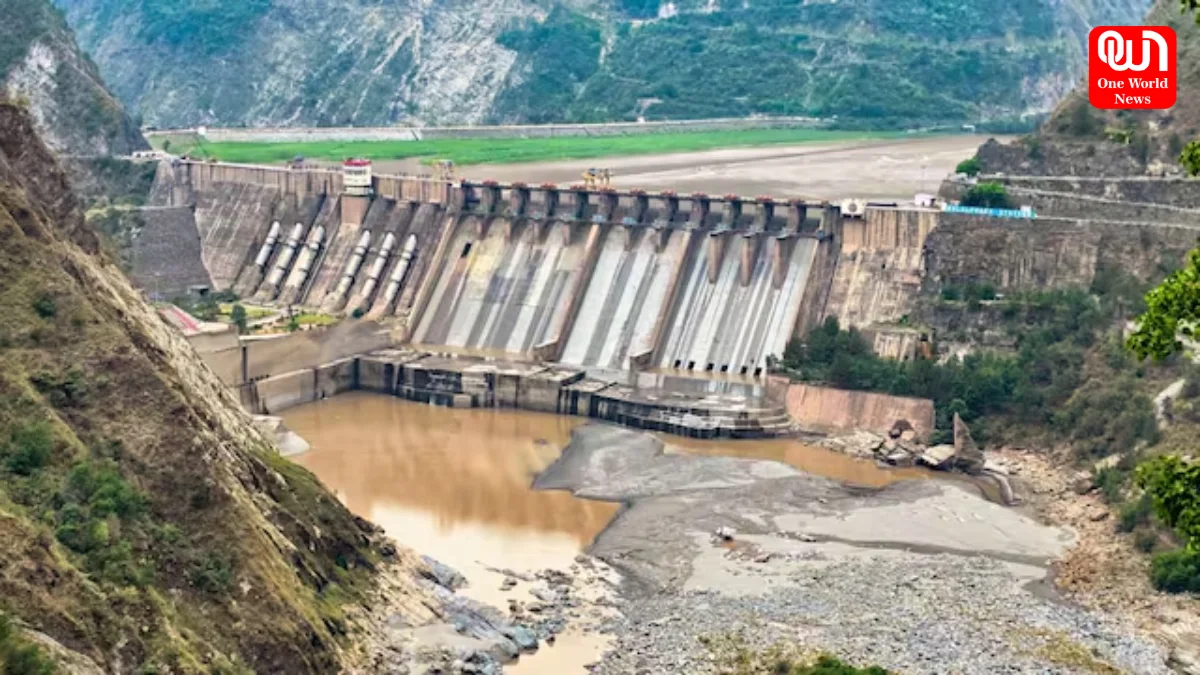
Indus Waters Treaty on Hold After Pahalgam Terror Attack: Pakistan Projects 22% Water Shortage for Rabi Season 2026–27 as Water Inflows Decline
Pakistan is preparing for another challenging agricultural season after its water regulator projected a 22% water shortage for the Rabi season of 2026–27. The development comes as the Indus Waters Treaty (IWT) remains in abeyance following the Pahalgam terror attack in April 2025, adding another layer of tension to relations between India and Pakistan.
The Indus River System Authority (IRSA) has estimated that water availability will fall short of provincial requirements, particularly affecting Punjab and Sindh, two of Pakistan’s most important agricultural regions. The forecast follows a weaker-than-expected Kharif season, when river inflows were significantly below the previous year’s levels.
The projected shortage has raised concerns about irrigation planning, wheat production and food security. However, the water deficit also reflects broader challenges involving reservoir storage, infrastructure delays and the management of limited water resources. <Cite refs={[“turn760134search0″,”turn760134search7”]}/>
Pakistan Projects 22% Water Shortage for Rabi Season
According to IRSA’s Advisory Committee, Pakistan is facing a projected 22% water shortage for Punjab and Sindh during the Rabi season, which runs from October 1, 2026, to March 31, 2027.
The committee approved anticipated water availability after reviewing expected river inflows and other operational factors. The assessment estimated likely inflows at 21.268 million acre-feet (MAF), while anticipated provincial withdrawals were allocated at 29.183 MAF.
IRSA stated that the overall shortage would be reviewed periodically as the season progresses. This means the projected deficit could be reassessed depending on actual inflows, reservoir conditions and operational developments.
The shortage is particularly significant because Rabi crops depend on irrigation during the cooler months. Wheat, one of Pakistan’s principal food crops, is especially important during this period.
A sustained shortfall could force farmers to adjust irrigation schedules, prioritise certain crops or manage fields with less water than expected. The eventual impact will depend on how available supplies are distributed and how weather conditions develop throughout the season.
Why the Indus Waters Treaty Matters to Pakistan
Signed in 1960 with the World Bank’s involvement, the Indus Waters Treaty established a framework for sharing the waters of the Indus river system between India and Pakistan.
Under the agreement, the eastern rivers—the Ravi, Beas and Sutlej—were allocated primarily to India, while Pakistan received rights over the western rivers—the Indus, Jhelum and Chenab, subject to the treaty’s provisions.
For Pakistan, the treaty has long provided an important framework for water management, particularly because its agricultural economy depends heavily on the Indus Basin irrigation network.
India placed the treaty in abeyance following the Pahalgam terror attack in April 2025. New Delhi linked its decision to the need for action against cross-border terrorism, while Pakistan has criticised the move and raised concerns about its potential implications for water security.
The treaty’s status has therefore become a significant point of diplomatic disagreement. Nevertheless, the current 22% shortage projection should not automatically be attributed entirely to the treaty’s suspension, since seasonal inflows, storage levels, infrastructure and domestic water management also influence availability. <Cite refs={[“turn760134search9″,”turn760134search7”]}/>
Water Inflows Decline After a Difficult Kharif Season
The latest Rabi forecast follows a difficult Kharif season, which runs from April through September. IRSA reported actual water inflows of approximately 95.44 MAF during Kharif 2026.
These inflows were around 22% lower than the previous year’s level, 7% below the 10-year average and 8% below the season’s anticipated figure.
Read more: IMD Issues Red Alert For Delhi As Heavy Rain, Thunderstorms Lash Capital
The reduced inflows have placed additional pressure on the country’s water management system as it enters the next cropping season. Lower river flows can limit the amount of water available for irrigation and reduce the ability of reservoirs to maintain supplies during periods of high demand.
Reservoir storage was also a concern. On September 30, 2026, total available storage stood at approximately 9.343 MAF, below the levels recorded a year earlier and below the anticipated storage figure.
These conditions help explain why the water regulator has adopted a cautious outlook for the Rabi season. <Cite refs={[“turn760134search0″,”turn760134search1”]}/>
Punjab and Sindh to Face the Brunt of Water Shortages
Punjab and Sindh are expected to bear the burden of the projected water deficit under the current allocation arrangement.
The two provinces contain extensive agricultural areas that depend on canal irrigation. Wheat, cotton, rice, sugarcane and other crops contribute to agricultural output, rural employment and food supplies.
IRSA’s approved allocation includes approximately 15.564 MAF for Punjab and 11.748 MAF for Sindh. Khyber Pakhtunkhwa and Balochistan have been exempted from the proposed cuts under the arrangement reported by the authority.
The distribution has raised concerns about how Punjab and Sindh will manage competing demands during the coming months. Farmers may need to make difficult decisions about irrigation timing and the use of available supplies.
If the shortage persists, agricultural production costs could rise as growers seek alternative water sources or modify cultivation practices. Any resulting reduction in crop yields could also affect food prices and rural incomes, although the actual impact remains uncertain.
How the Water Shortage Could Affect Food Security
Water availability is closely linked to Pakistan’s food security because agriculture relies heavily on the Indus Basin irrigation system.
A shortage during the Rabi season could create additional pressure on wheat cultivation, which is central to the country’s food supply. Insufficient irrigation at important stages of crop growth can affect yields, particularly when rainfall does not compensate for the deficit.
Farmers may respond by prioritising fields, changing irrigation schedules or selecting crops according to available water. However, these measures cannot always fully offset a significant shortage.
The impact on food production will depend on the severity and duration of the deficit, rainfall, temperatures, seed quality and the efficiency of water distribution. It is therefore too early to conclude that the projected shortage will necessarily result in a specific decline in wheat output.
Still, the forecast highlights the importance of water conservation, improved irrigation practices and careful agricultural planning.
Delays in Water Infrastructure Add to the Challenge
The water shortage is not solely a diplomatic issue. Pakistan also faces domestic infrastructure and storage challenges that can limit its ability to manage seasonal fluctuations.
IRSA has urged the Water and Power Development Authority (WAPDA) to accelerate work on the Tarbela Fourth Extension and Tarbela Fifth Extension projects, citing delays that have contributed to water-management difficulties.
Additional storage and improved water infrastructure can help manage variations in river flows, although their effectiveness depends on project design, operating rules, environmental considerations and timely completion.
Improving canal efficiency, reducing water losses and strengthening coordination between provinces could also help Pakistan manage future shortages more effectively.
These measures are especially important as changing weather patterns and growing agricultural demand place greater pressure on existing resources.
India-Pakistan Tensions and the Future of the Indus Waters Treaty
The suspension of the Indus Waters Treaty has added a sensitive dimension to an already difficult water-management situation. Pakistan has raised the issue internationally, describing the suspension as a threat to its water security, while India has maintained that its decision is linked to cross-border terrorism.
The disagreement creates uncertainty around a treaty that has governed water-sharing relations for more than six decades. Any future developments could have important diplomatic and regional implications.
At the same time, the projected water shortage is a reminder that Pakistan’s water security depends on several interconnected factors, including river inflows, reservoir storage, infrastructure development, climate variability and domestic allocation decisions.
The immediate priority for Pakistan will be to manage the available supplies and reduce the impact on farmers during the Rabi season.
We’re now on WhatsApp. Click to join.
Like this post?
Register at One World News to never miss out on videos, celeb interviews, and best reads.