Missing Docs, Rs 220 Fee Shortfall, Incomplete Papers: 14 Defects in Rahul Gandhi’s SC Petition Against EC
Rahul Gandhi’s Supreme Court petition against the EC faces 14 defects, including missing documents and a Rs 220 fee shortfall over SIR irregularities.

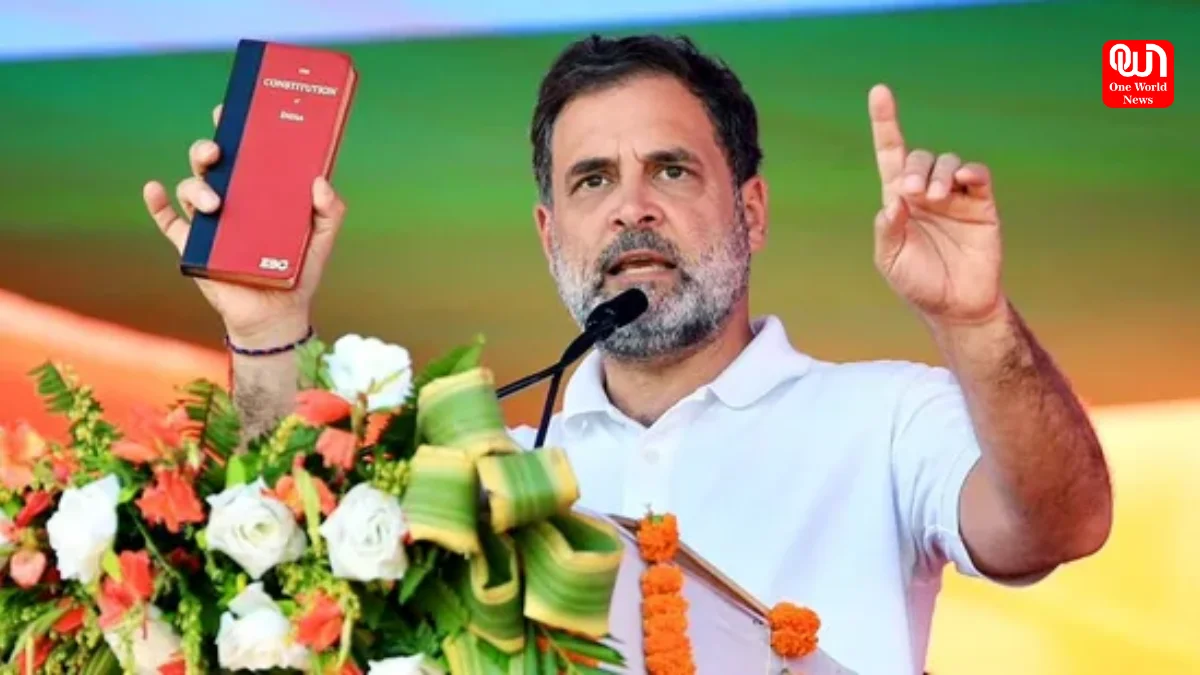
Rahul Gandhi Supreme Court Petition Faces 14 Defects, Including Missing Documents, Rs 220 Court Fee Shortfall and Incomplete Papers in SIR Irregularities Case Against EC Chief Gyanesh Kumar
Congress leader Rahul Gandhi and other INDIA bloc leaders have encountered a procedural hurdle in their legal challenge against the Election Commission of India (EC). The Supreme Court registry has flagged 14 defects in their petition concerning alleged irregularities in the Special Intensive Revision (SIR) of electoral rolls and the functioning of Chief Election Commissioner Gyanesh Kumar.
The objections include missing authorisation documents, an unclear identity card copy, incomplete paperwork and a shortfall of Rs 220 in court fees. The registry’s observations meant that the petition was not expected to be heard on October 13, 2026, as originally anticipated. The petitioners’ legal team sought time to correct the deficiencies and have the matter listed for hearing.
The development has brought renewed attention to the legal battle over electoral roll revisions and the Opposition’s demand for greater transparency in the election process. <escape>[1]</escape>
Rahul Gandhi Supreme Court Petition: What Happened?
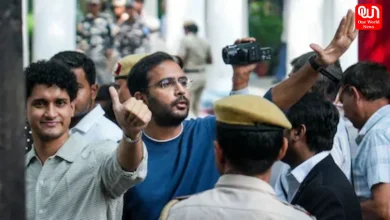
The Rahul Gandhi Supreme Court petition was filed on October 12 by the Congress leader and 10 other INDIA bloc leaders. The filing followed an Opposition protest march in New Delhi against alleged electoral irregularities and the conduct of the Election Commission.
The petition challenges decisions attributed to Gyanesh Kumar and raises concerns about the manner in which the SIR exercise has been conducted. It seeks judicial intervention to examine whether the Election Commission followed the necessary constitutional safeguards and acted collectively while taking important decisions.
However, before the court could proceed to consider the substantive issues, the registry identified several technical and documentary shortcomings. These objections must be addressed before the petition can move forward through the regular judicial process.
The registry’s observations concern the completeness and formal requirements of the filing. They do not, by themselves, determine whether the petitioners’ allegations against the Election Commission are valid.
What Are the 14 Defects in the Petition?
The Supreme Court registry reportedly identified 14 defects relating to documentation, authorisation, legibility and filing requirements. The principal objections included:
- Missing authorisation documents: Vakalatnamas, which formally authorise advocates to represent parties, were missing for nine of the 11 petitioners.
- Rs 220 court fee shortfall: The petition did not include the full amount of court fees required for filing.
- Unclear identity card: The photocopy of Congress president Mallikarjun Kharge’s identity card was reportedly illegible.
- Missing pages: Certain documents were incomplete because some pages had not been attached.
- Small or unclear text: Parts of the submitted paperwork contained text that was difficult to read.
- Colour-copy requirements: Colour copies were reportedly missing for two documents.
- Vernacular document issues: The registry raised objections concerning pages in regional languages.
- Page-numbering discrepancies: Some documents contained inconsistencies in their page numbering.
The registry also raised questions about the inclusion of individual Election Commissioners as respondents in a writ petition framed in the nature of public interest litigation.
Together, these issues contributed to the 14 objections recorded against the filing. The complete list involves multiple procedural points, and the petitioners’ legal team must address the registry’s requirements before the matter can proceed as intended. <escape>[2]</escape>
Why the Rs 220 Fee Shortfall Matters
The Rs 220 shortfall has attracted attention because it is a relatively small amount compared with the wider constitutional and political issues raised by the petition.
However, court filings must comply with applicable procedural requirements, including the payment of prescribed fees. Even a minor discrepancy can require correction before a matter is processed for listing.
In this case, the fee issue was only one of several defects. Missing authorisations, unclear documents and incomplete pages also needed attention. Correcting the financial discrepancy alone would therefore not resolve all the objections.
The legal team must ensure that the corrected filing satisfies the registry’s requirements so that the court can consider the petition on its merits.
What Is Rahul Gandhi’s SIR Petition About?
The Rahul Gandhi SIR petition centres on the Special Intensive Revision of electoral rolls and concerns about the decision-making process within the Election Commission.
The petitioners have alleged that important decisions, including the decision to undertake the SIR in June 2025, were taken without adequate collective consideration by the election commissioners. They have called for an independent, time-bound inquiry into the disputed decisions.
The plea also seeks access to relevant records, including files, agendas, minutes, internal notes and objections recorded by election commissioners. The petitioners argue that examining these documents is necessary to establish whether the Commission complied with constitutional requirements.
The Opposition has maintained that its concerns relate to the implementation of the SIR and the institutional functioning of the Election Commission, rather than simply reopening the question of the exercise’s validity.
These remain allegations presented by the petitioners and will require judicial consideration. The registry’s procedural objections do not establish whether the claims about electoral irregularities are correct.
Gyanesh Kumar and the Election Commission’s Role
Chief Election Commissioner Gyanesh Kumar has become the central figure in the political dispute surrounding the petition. The plea names the Election Commission of India, Kumar and the two other election commissioners, Sukhbir Singh Sandhu and Vivek Joshi, as respondents.
The petitioners want the court to examine whether the Commission exercised its constitutional powers in accordance with the relevant legal framework. They have also raised concerns about transparency, accountability and the protection of universal adult suffrage.
Read more: IMD Issues Red Alert For Delhi As Heavy Rain, Thunderstorms Lash Capital
The Election Commission’s role in preparing and revising electoral rolls is crucial to ensuring that eligible citizens can participate in elections. Allegations concerning voter deletions or procedural irregularities therefore carry significant public importance.
Nevertheless, allegations against a constitutional body must be assessed through evidence and the applicable legal process. The petition’s claims should not be treated as established findings unless the competent authorities or court determine otherwise.
What Happens Next in the Rahul Gandhi Election Commission Case?
The immediate next step is for the petitioners to correct the defects identified by the Supreme Court registry. Once the missing documents, authorisations, fee discrepancy and other issues have been addressed, the legal team can seek listing of the matter.
The court will then determine how to proceed with the substantive questions raised in the petition. These include the request for an independent inquiry and the examination of records relating to decisions taken during the SIR process.
The timing of any hearing will depend on the completion of procedural requirements and the court’s listing arrangements. Until the petition is considered, the allegations against the Election Commission remain matters requiring examination.
Conclusion
The 14 defects identified in Rahul Gandhi’s Supreme Court petition have created a procedural delay in the INDIA bloc’s legal challenge against the Election Commission. Missing authorisations, incomplete documents, an unclear identity card copy and a Rs 220 fee shortfall are among the objections that need to be addressed.
Although these filing issues have delayed the anticipated hearing, they do not decide the merits of the SIR irregularities allegations. The next stage will depend on whether the petitioners successfully correct the deficiencies and obtain a hearing on their requests for greater transparency and accountability in the electoral process.
We’re now on WhatsApp. Click to join.
Like this post?
Register at One World News to never miss out on videos, celeb interviews, and best reads.