INDIA Bloc To March To Supreme Court Today As Opposition Takes On Gyanesh Kumar Over ‘Vote Chori’, SIR
Vote Chori row intensifies as INDIA bloc marches to the Supreme Court against Gyanesh Kumar, demanding SIR suspension and accountability.

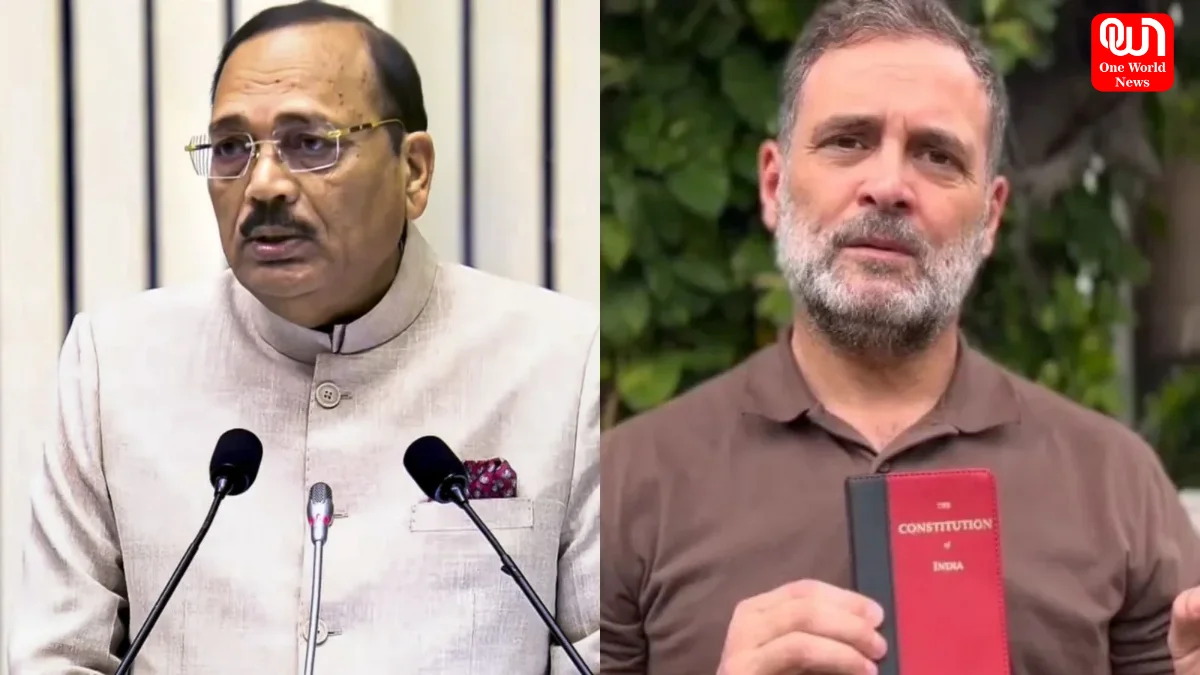
INDIA Bloc March to Supreme Court Today: Rahul Gandhi and Opposition Leaders Intensify ‘Vote Chori’ Campaign Against Gyanesh Kumar Over SIR Controversy
India’s political landscape witnessed fresh tension on Monday, October 12, as the INDIA bloc prepared to march to the Supreme Court in New Delhi over allegations of “Vote Chori” and concerns surrounding the Special Intensive Revision (SIR) of electoral rolls. Led by Congress leaders Rahul Gandhi and Mallikarjun Kharge, the Opposition’s campaign targets Chief Election Commissioner Gyanesh Kumar and raises questions about voter rights, electoral transparency and the functioning of the Election Commission of India.
The protest, described by Congress as “Chalo Delhi – March for Democracy,” marks another stage in the Opposition’s ongoing confrontation with the poll panel. The alliance is seeking accountability over alleged electoral irregularities and wants the SIR exercise halted.
INDIA Bloc March to Supreme Court: What Is the Plan?
The INDIA bloc’s planned march aims to bring its concerns directly to the country’s highest judicial institution. Congress leaders Rahul Gandhi and Mallikarjun Kharge had sought an appointment with Chief Justice of India Surya Kant to submit a memorandum highlighting their demands.
Several Opposition leaders, including representatives of regional parties, were expected to participate in the mobilisation. The Congress also appealed to young people, civil society organisations and citizens who support democratic rights to join the demonstration.
The march follows several days of protests in Delhi, during which Opposition leaders have criticised the Election Commission’s handling of electoral roll revisions. Through the latest demonstration, the alliance hopes to increase pressure for an independent examination of its allegations.
Vote Chori Allegations Against Gyanesh Kumar
The phrase “Vote Chori” has become a central theme of the Opposition’s campaign against the Election Commission. Rahul Gandhi and other Opposition leaders have alleged that problems associated with voter-list revisions could undermine citizens’ voting rights and affect the fairness of elections.
The Opposition has questioned the role of Chief Election Commissioner Gyanesh Kumar in overseeing the SIR process. It has demanded accountability for decisions that it claims could result in eligible voters being excluded from electoral rolls.
However, these accusations remain contested political claims and should not be treated as established findings of wrongdoing. The Election Commission maintains that its procedures follow the applicable legal framework, while the BJP has accused the Opposition of making baseless allegations against constitutional institutions.
The dispute has therefore developed into a wider debate about electoral accountability, the independence of institutions and public confidence in the democratic process.
What Is the Special Intensive Revision (SIR)?
The Special Intensive Revision, commonly known as SIR, is an exercise undertaken to review and update electoral rolls. Such revisions are intended to improve the accuracy of voter lists by identifying eligible electors and addressing entries that may be outdated, duplicated or otherwise require correction.
The current controversy centres on how the process is being implemented and whether eligible voters could lose their place on electoral rolls. Opposition parties have expressed concern that the exercise may lead to wrongful deletions and have called for its suspension.
The Election Commission, meanwhile, has maintained that voter-list revision is an administrative process governed by established procedures. The dispute has also reached the courts, where questions concerning the Election Commission’s functioning and SIR-related decisions are being examined.
For ordinary citizens, the central issue is whether every eligible voter can participate in elections without facing unnecessary procedural barriers.
Supreme Court Chief Justice Declines Meeting With Opposition Leaders
The Opposition’s planned march took another turn after Chief Justice of India Surya Kant declined the request for a meeting with Rahul Gandhi and other INDIA bloc leaders.
According to reports published on October 12, the Chief Justice indicated that the Opposition should approach the court through the appropriate judicial process rather than seek an administrative meeting. The issues raised by the leaders are already subject to legal proceedings.
The response does not prevent political parties or affected individuals from pursuing remedies available under the law. Instead, it underlines the distinction between submitting political representations and bringing a matter before the court through a formal petition.
The development has added another dimension to the confrontation, with the Opposition continuing its protest while the legal questions remain for the judiciary to consider.
Opposition Demands SIR Suspension and CEC’s Resignation
The INDIA bloc has put forward several demands as part of its Vote Chori campaign. These include suspending the SIR exercise, seeking the resignation of Chief Election Commissioner Gyanesh Kumar and addressing concerns about electoral transparency.
Congress leaders have also raised the demand for a return to paper ballots, arguing that electoral processes must command public confidence. The alliance says its campaign is intended to protect democratic institutions and constitutional rights.
The BJP has rejected the Opposition’s allegations, accusing its political rivals of attempting to discredit constitutional bodies. The disagreement reflects the growing political divide over election administration and the safeguards needed to maintain trust in the electoral system.
Delhi Security Measures Ahead of the Protest
Authorities introduced additional security arrangements in central Delhi ahead of the planned march. According to reports, entry and exit were temporarily suspended at six metro stations until 4 pm on October 12, while traffic restrictions were also announced in parts of the capital.
The measures affected stations including Rajiv Chowk, Patel Chowk, Janpath, Mandi House, Central Secretariat and Barakhamba Road. Commuters were advised to account for possible disruptions while travelling through central Delhi.
The restrictions came amid heightened tensions following earlier demonstrations and the detention of protesters. Security arrangements were aimed at managing crowds and maintaining order around sensitive locations.
What Happens Next in the Vote Chori Controversy?
The INDIA bloc’s march is likely to keep the SIR controversy and allegations of Vote Chori at the centre of national political debate. The immediate focus will be on the Opposition’s next legal steps, the Election Commission’s response and the proceedings already underway before the courts.
The controversy also raises broader questions about voter-list accuracy, the protection of eligible electors and the accountability of institutions responsible for conducting elections.
Ultimately, the allegations will need to be assessed through verifiable evidence and the applicable legal process. As political parties continue to press their positions, the outcome of the judicial proceedings could play an important role in shaping the debate over electoral reforms and public confidence in India’s democratic institutions.
We’re now on WhatsApp. Click to join.
Like this post?
Register at One World News to never miss out on videos, celeb interviews, and best reads.