
Pakistan’s Terrorism, Deceit For All To See: India’s Blistering Response At UN After Sharif’s Indus Treaty Threat
India at UNGA rebukes Pakistan over terrorism and deception after Sharif’s Indus Waters Treaty threat, intensifying India Pakistan tensions.

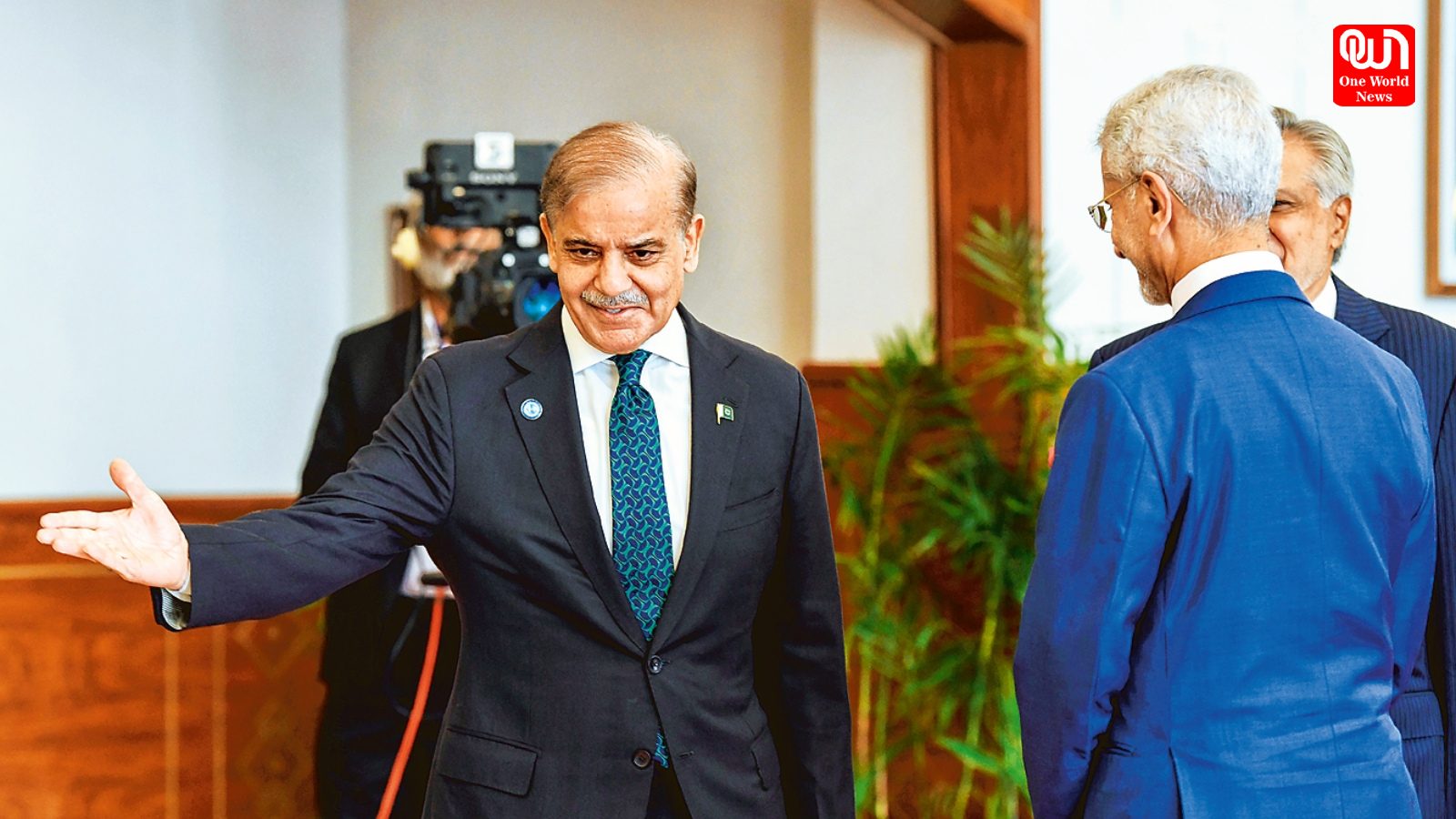
Pakistan’s Terrorism, Deceit For All To See: India’s Blistering Response At UN After Sharif’s Indus Treaty Threat
The diplomatic exchanges between India and Pakistan intensified at the United Nations General Assembly (UNGA) after Pakistan Prime Minister Shehbaz Sharif issued a warning concerning the Indus Waters Treaty. India responded firmly, raising concerns about cross-border terrorism, rejecting Pakistan’s claims on Jammu and Kashmir, and reiterating its position on national security.
The latest developments have brought India Pakistan tensions back into international focus, with both countries presenting sharply contrasting positions on terrorism, water-sharing arrangements, and regional stability.
Shehbaz Sharif’s Indus Waters Treaty Warning at UNGA
Addressing the 81st session of the UNGA in New York on September 25, 2026, Shehbaz Sharif criticised India’s decision to hold the Indus Waters Treaty in abeyance. He described the Indus River system as essential to Pakistan’s water security and argued that the treaty remained legally valid.
Sharif warned that any attempt to stop, impede, or divert Pakistan’s share of river waters would be treated as an “act of war.” His remarks placed the longstanding water-sharing agreement at the centre of the latest India Pakistan diplomatic confrontation.
The Indus Waters Treaty, established in 1960, governs the use and distribution of the Indus river system between the two neighbouring countries. India announced its decision to hold the agreement in abeyance following the April 2025 Pahalgam terror attack, which killed 26 civilians.
India at UNGA Responds to Pakistan’s Terrorism Allegations
India’s First Secretary at the United Nations, Petal Gahlot, delivered a strong response to Sharif’s remarks, rejecting Pakistan’s allegations and accusing Islamabad of continuing to support cross-border terrorism.
According to reports, Gahlot maintained that India would exercise its right to self-defence if terrorism continued from Pakistani territory. She also stated that the international community should assess Pakistan through its actions rather than its diplomatic statements.
The response highlighted India’s longstanding concerns regarding alleged links between Pakistan-based groups and terrorist activities targeting Indian civilians.
India also referred to Osama bin Laden’s presence near Pakistan’s military academy as part of its argument questioning Islamabad’s claims regarding counterterrorism efforts.
The exchange reflects the continuing disagreement over India Pakistan Terrorism, with New Delhi repeatedly raising the issue of cross-border militancy in international forums.
India Rejects Pakistan’s Claims on Jammu and Kashmir
Jammu and Kashmir remained another significant point of disagreement during the diplomatic exchange.
Sharif raised the Kashmir issue during his UNGA address, reiterating Pakistan’s position on the territory. India rejected these references and maintained that Jammu and Kashmir is an integral and inseparable part of the country.
Gahlot also referred to conditions in Pakistan-occupied Jammu and Kashmir, arguing that discussions about the region should include concerns raised by its residents.
The contrasting positions demonstrate why Kashmir continues to feature prominently in India Pakistan diplomatic relations and international discussions.
India Raises Concerns Over Pakistan Terrorism and Deception
India’s response also focused on what it described as Pakistan’s contradictory approach to terrorism and international diplomacy.
Gahlot questioned Islamabad’s security-related claims and referred to Pakistan’s alleged support for terrorist organisations. She further argued that repeated diplomatic assertions could not change the facts surrounding terrorism.
India’s position at the UN has consistently linked its concerns over terrorism with the broader relationship between the two countries.
In a separate June 2026 UN exchange, Indian diplomat Anupama Singh also criticised Pakistan over alleged support for terrorism and described the Indus Waters Treaty as outdated in the context of changing security and technological circumstances.
These statements illustrate how India Pakistan UNGA discussions increasingly involve interconnected questions of security, diplomatic accountability, and treaty obligations.
Indus Treaty Dispute Adds to India Pakistan Tensions
The latest confrontation highlights the complexity of the Indus Waters Treaty dispute.
Pakistan argues that the agreement remains legally binding and has challenged India’s decision through international legal mechanisms. India, meanwhile, has rejected the authority of the Permanent Court of Arbitration in proceedings concerning the treaty.
In August 2026, the court ruled that the treaty remained in force and that India must observe its obligations. India rejected the ruling, maintaining that the court lacked jurisdiction over its sovereign decisions.
The disagreement demonstrates that water security has become an important component of the wider India Pakistan tensions.
What the Latest UN Exchange Means for Bilateral Relations
The latest developments at the UNGA underline the continuing diplomatic divide between India and Pakistan.
While Sharif focused on water security, Kashmir, and Pakistan’s position on regional peace, India emphasised cross-border terrorism, national security, and its rejection of Islamabad’s territorial claims.
Read more: Asian Games 2026: Indian Shooting Team Wins Silver in Men’s 50M Rifle 3 Positions
The exchange also demonstrates how international institutions have become important platforms for both countries to present their positions before the global community.
As discussions surrounding the Indus Waters Treaty continue, the relationship between the two neighbours remains shaped by unresolved security concerns, competing legal interpretations, and longstanding political disagreements.
The India Pakistan UNGA confrontation therefore represents more than a diplomatic exchange: it reflects the continuing challenges surrounding terrorism, water-sharing arrangements, and regional stability in South Asia.
We’re now on WhatsApp. Click to join.
Like this post?
Register at One World News to never miss out on videos, celeb interviews, and best reads.