Trump Administration Plans $2.8 Billion US Israel Arms Deal With 40,000 One-Ton Bombs: Military Aid, Munitions and Gaza Explained
rump administration plans a $2.8B US Israel arms deal involving 40,000 bombs, military aid, US taxpayer funds, munitions and Gaza concerns.

Trump Administration Plans $2.8 Billion US-Israel Arms Deal With 40,000 One-Ton Bombs: Military Aid, Munitions and Gaza Explained
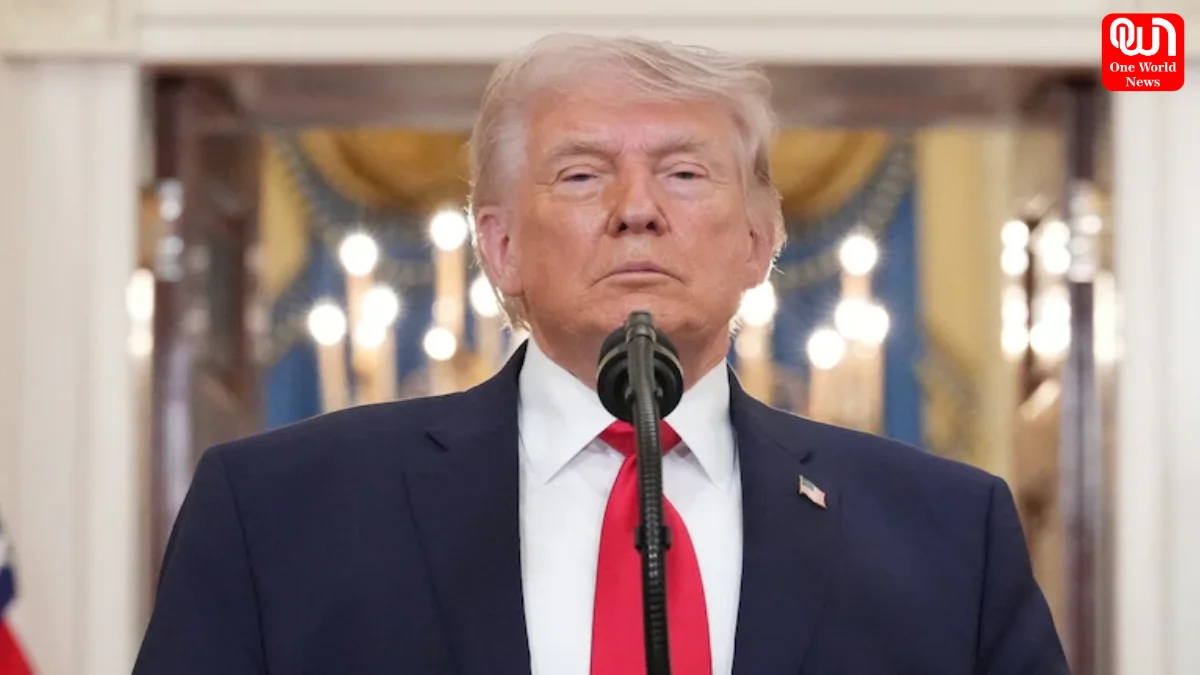
The US Israel arms deal involving a proposed $2.8 billion package of heavy munitions has drawn renewed attention to Washington’s military support for Israel and the use of U.S.-funded weapons in the Gaza conflict. According to reports published September 15, 2026, the Trump administration is preparing a package that would include 40,000 2,000-pound bombs. The proposed transaction has reportedly been informally communicated to relevant congressional committees but is not yet a finalized sale.
What Is Included in the $2.8 Billion Arms Package?
According to Reuters and The Washington Post, the proposed arms package includes approximately 40,000 bombs weighing 2,000 pounds each. The reported inventory consists of 20,000 MK-84 bombs and 20,000 BLU-117 bombs. The Washington Post also reported that the transaction includes 20,000 I-2000 Penetrator warheads.
These are among the larger conventional air-delivered munitions used by modern militaries. Their size and explosive power mean that their potential use in densely populated areas has attracted particular attention from humanitarian organizations, analysts and policymakers.
The reported value of the proposed package is approximately $2.8 billion, making it one of the largest recent U.S. transfers of 2,000-pound bombs to Israel.
How Would U.S. Military Aid Fund the Deal?
An important part of the story is how the purchase would reportedly be financed. Much of the proposed transaction would use foreign military financing, a mechanism through which U.S. government funds help an eligible country purchase American-made defense equipment.
In practical terms, this means US taxpayer funding would support the purchase, while the weapons would be supplied through the U.S. defense industry. Reuters and AP both reported that most of the proposed transaction would be financed through U.S. foreign military financing.
This financing structure is significant because discussions about military aid to Israel are not limited to the strategic relationship between the two countries. They also involve questions about federal spending, congressional oversight and how U.S. foreign assistance is used.
Why Are the Munitions Receiving Attention?
The proposed munitions have attracted particular scrutiny because similar 2,000-pound bombs have been used in conflicts involving Israel, including the Gaza war.
The Biden administration previously paused one shipment of similar bombs in 2024 amid concerns about potential civilian casualties in Gaza. AP reported that the Trump administration subsequently lifted that hold after returning to office.
The Washington Post reported that the MK-84 is capable of producing a large blast and significant fragmentation, while some variants of the reported weapons are designed to penetrate hardened or underground targets.
Connection to the Gaza War
The proposed sale comes against the backdrop of the continuing international debate surrounding the Israel-Gaza conflict. The October 7, 2023, Hamas-led attack on Israel killed about 1,200 people and resulted in 251 hostages being taken, according to AP. Israel subsequently launched a large-scale military campaign in Gaza.
Gaza health authorities have reported more than 73,000 Palestinian deaths during the conflict, including deaths reported after the ceasefire began. The figures are reported by Gaza’s Health Ministry and have been cited by international media.
Read more: Avengers Endgame Encore Advance Booking India: Marvel To Break New Records Upon Re-Release
The use of heavy U.S.-made bombs in Gaza has consequently become part of a broader discussion about civilian protection, military objectives and the responsibilities associated with arms transfers.
Congressional Oversight and the US Israel Arms Deal
Large foreign military sales normally involve congressional notification and review procedures. In this case, reports say relevant congressional committees have been informally notified about the proposed transaction.
However, the reported package should not be described as a completed arms transfer at this stage. The latest reporting characterizes it as a planned or pending sale, and a senior Trump administration official told The Washington Post that the administration does not comment on pending sales while saying foreign arms sales are going through the appropriate process.
What the Deal Could Mean for U.S.-Israel Relations
The proposed US Israel arms deal also highlights the continuing strategic relationship between Washington and Jerusalem. Military cooperation has remained a major component of the relationship, including weapons transfers, defense assistance and security coordination.
At the same time, U.S. political debate surrounding military aid to Israel has become more prominent as the Gaza conflict has continued. Reuters reported declining U.S. public support for the level of American support for Israel in some polling, particularly among Democrats.
The reported $2.8 billion package therefore sits at the intersection of defense policy, foreign relations, congressional oversight, taxpayer-funded military aid and the humanitarian debate surrounding Gaza.
Conclusion
The reported $2.8 billion arms package represents a significant proposed expansion of Israel’s access to U.S.-made heavy munitions. With 40,000 reported 2,000-pound bombs and additional warheads included, the transaction has attracted attention because of both its scale and the broader debate over weapons use in Gaza.
Because the deal is still described as pending, details could change before any final approval or delivery. For now, the proposal provides another example of how U.S. defense assistance, taxpayer funding, congressional oversight and the Israel-Gaza conflict remain closely connected.
We’re now on WhatsApp. Click to join.
Like this post?
Register at One World News to never miss out on videos, celeb interviews, and best reads.