
India China Border Dispute: PLA Deployment Along LAC Fell in 2025
India China border dispute eases as PLA deployment along LAC fell in 2025 after Depsang and Demchok disengagement and Modi-Xi talks.

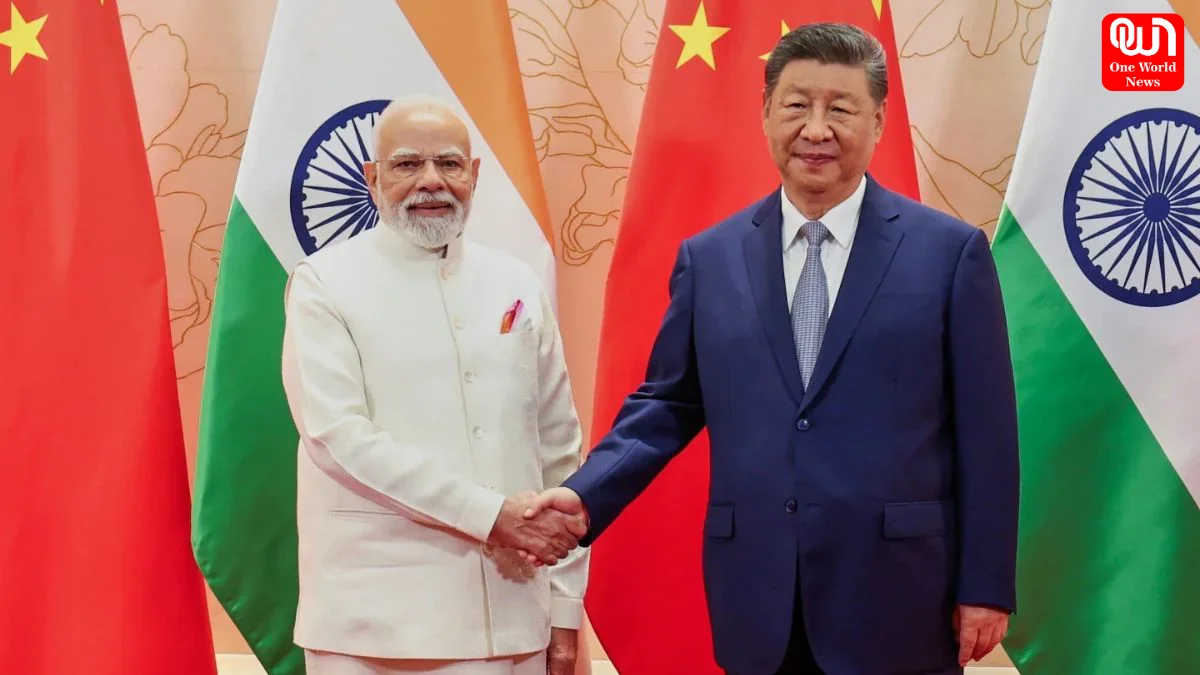
As Modi, Xi Push India-China Thaw, Defence Ministry Says PLA Deployment Along LAC Fell in 2025
The India China border dispute showed signs of gradual de-escalation in 2025, with the Ministry of Defence reporting lower levels of Chinese People’s Liberation Army (PLA) deployment along the northern borders. The development follows the 2024 disengagement agreement covering Depsang and Demchok, while diplomatic and military engagement between New Delhi and Beijing continued.
The latest assessment comes as Prime Minister Narendra Modi and Chinese President Xi Jinping have sought to stabilize bilateral relations and rebuild communication after years of heightened tensions along the LAC, or Line of Actual Control.
PLA Deployment Along LAC Declined In 2025
According to the Ministry of Defence’s 2025 year-end review, the situation along India’s northern borders remained “stable yet sensitive.” Following the disengagement agreement reached in Depsang and Demchok in 2024, the Indian Army recorded reduced PLA deployment levels in 2025, both opposite the northern borders and in traditional training areas.
The report said the PLA maintained 10 Combined Arms Brigade-sized forces each in tactical or operational depth opposite the northern borders and in training areas. While the overall deployment pattern remained broadly unchanged from 2024, the reduction in deployment levels was viewed as an indication of greater stabilization following the previous years of military confrontation.
For India, however, the reduced Chinese presence does not mean the security challenge has disappeared. The Ministry of Defence said Indian Army deployment along all sectors of the LAC remains robust and prepared to respond to any emerging contingency.
Depsang And Demchok Disengagement
The 2024 agreement on Depsang and Demchok represented an important step in restoring military stability in eastern Ladakh.
India and China reached an agreement on patrolling arrangements in these areas on October 21, 2024. According to the Ministry of External Affairs, the agreement resulted in disengagement from the remaining friction points of 2020, with patrolling and, where applicable, grazing to resume according to longstanding practices.
This development followed years of military tension that began after Chinese attempts to alter the status quo along the LAC in 2020. The situation deteriorated sharply following the Galwan Valley clash, making border management one of the most important issues in India-China relations.
Modi-Xi Meeting And A Diplomatic Thaw
The military developments have been accompanied by renewed political engagement. Prime Minister Narendra Modi met Xi Jinping on August 31, 2025, on the sidelines of the Shanghai Cooperation Organisation summit in Tianjin.
During the meeting, both leaders welcomed positive momentum in bilateral relations. Modi emphasized the importance of peace and tranquillity in border areas as a foundation for further development of India-China relations.
Read more: BRICS 2026: India, Pakistan And BRICS Membership – Why Pakistan Is Still Waiting
The meeting followed their October 2024 interaction in Kazan, which helped establish a more positive direction for bilateral ties after the prolonged border standoff.
The diplomatic engagement has also included military and institutional channels. In 2025, India and China held meetings under the Working Mechanism for Consultation and Coordination, Special Representatives’ talks and Corps Commander-level discussions. These mechanisms remain important for border management and preventing new incidents along the disputed frontier.
Galwan Valley Remains A Key Turning Point
The Galwan Valley confrontation remains central to understanding the India-China border dispute. The deadly 2020 clash dramatically changed the security environment along the LAC and triggered a major military buildup by both countries.
Since then, India has maintained substantial military preparedness while pursuing diplomatic and military negotiations. The latest Defence Ministry assessment indicates that India’s approach combines continued operational readiness with efforts to achieve peace and tranquillity through dialogue.
This balancing strategy is reflected in India’s continued infrastructure development and modernization along the northern frontier, even as PLA deployment levels have declined.
What The Reduction Means For Border Management
The reduction in PLA deployment is an important development, but it should not be interpreted as a complete resolution of the India China border dispute.
The Defence Ministry continues to describe the northern border situation as stable but sensitive. India has also strengthened infrastructure, connectivity and troop accommodation in border sectors while introducing new capabilities to improve operational preparedness.
The broader objective is therefore not simply troop reduction but sustainable border management, predictable patrolling arrangements and mechanisms that can prevent future confrontations.
India-China Relations Enter A Cautious New Phase
The decline in PLA deployment during 2025, combined with the Depsang and Demchok disengagement and renewed Modi-Xi engagement, suggests that India-China relations have entered a more cautious phase of stabilization.
Read more: BRICS 2026: India, Pakistan And BRICS Membership – Why Pakistan Is Still Waiting
However, the unresolved boundary question means the thaw remains fragile. Lasting improvement will depend on continued military communication, diplomatic negotiations and adherence to existing agreements.
For New Delhi, the message is clear: dialogue and improved relations can move forward, but peace along the LAC remains essential. The developments of 2025 show that de-escalation is possible, while India’s continued military preparedness underlines the importance of remaining ready for any future challenge along the northern frontier.
We’re now on WhatsApp. Click to join.
Like this post?
Register at One World News to never miss out on videos, celeb interviews, and best reads.