Indian Hockey Team Leaves The Hockey World Cup With Uncomfortable Questions
Indian Hockey Team exits the Hockey World Cup after losing to Belgium. Harmanpreet Singh and Craig Fulton face questions ahead of Asian Games.

India’s Hockey Team Leaves The World Cup With An Uncomfortable Set Of Questions
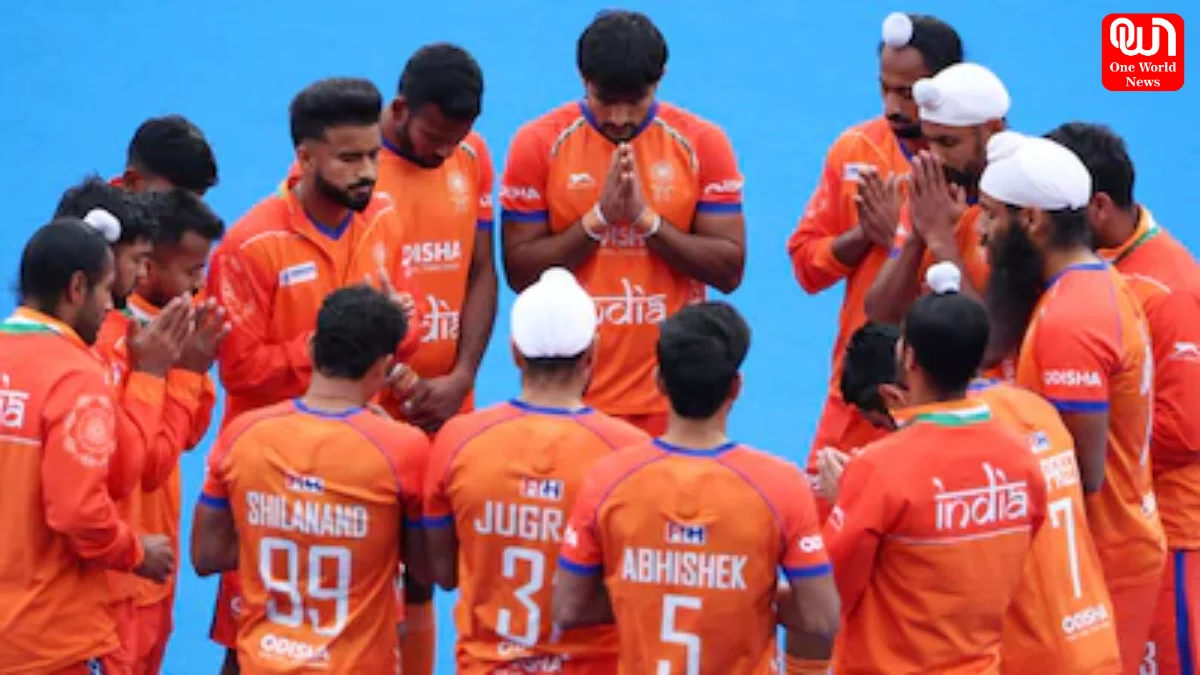
The Indian Hockey Team has left the 2026 Hockey World Cup with more questions than answers after finishing eighth in Belgium and the Netherlands. India’s campaign ended with a dramatic 3-3 draw against Belgium before the hosts won 4-3 in the penalty shootout, leaving Harmanpreet Singh and his teammates without the strong finish they had hoped for.
The result is particularly disappointing because India entered the tournament carrying expectations of ending a 51-year wait for a World Cup medal. Instead, the team failed to reach the semifinals and now faces a period of serious reflection.
India vs Belgium: A Fighting Finish But Another Setback
The final India vs Belgium encounter showed both the resilience and weaknesses of the Indian side. India produced three goals during regulation time and fought hard against the co-hosts, but the match ultimately went to a shootout. Belgium held its nerve to win 4-3 and claim seventh place, while India finished eighth.
The fighting performance will offer some encouragement, but it cannot completely hide the bigger disappointment. India had wanted to challenge for the podium, yet the campaign ended outside the top four and with questions about consistency, defensive organisation and execution under pressure.
A Difficult Second Stage Ended India’s Medal Hopes
India’s route to the semifinals became increasingly complicated after defeats in the second stage. The team suffered a 3-1 loss to the Netherlands, with Harmanpreet Singh scoring India’s only goal in that match. The result left India’s qualification hopes dependent on other outcomes.
The decisive blow came against Argentina, when India lost 5-3. Head coach Craig Fulton later pointed to India’s poor start as one of the major reasons for the defeat. Argentina took advantage of India’s early problems and established control before India could recover.
For a side hoping to compete against the world’s strongest teams, such slow starts are a major concern.
Defensive Problems Remain A Major Concern
One of the biggest questions surrounding Indian Field Hockey is whether the team’s defence is reliable enough to compete consistently at the highest level.
India conceded five goals against Argentina, a result that effectively ended its semifinal hopes. Earlier, the team had also conceded four goals against England in a 4-2 defeat during the first stage.
India has talented defenders and experienced players, but individual errors and lapses in concentration have repeatedly proved costly. At World Cup level, a few minutes of poor defending can change an entire tournament.
Penalty Corners And Goal-Scoring Efficiency
Another uncomfortable issue is India’s efficiency from attacking set pieces. Harmanpreet Singh remains one of the world’s most recognised drag-flickers, but India’s overall attacking output was not consistently strong enough when the pressure increased.
The team also needs to develop more dependable methods of scoring field goals. A modern hockey team cannot rely heavily on penalty corners or individual brilliance. Players must create opportunities through movement, passing combinations and quick transitions.
The emergence of younger attacking players can help India address this problem, but they need consistent opportunities at the international level.
What Does This Mean For Craig Fulton?
The World Cup result will inevitably put the spotlight on Craig Fulton. The coach has previously guided India through major tournaments and helped the side produce strong performances at events such as the Paris Olympics and Asian competitions.
Before the World Cup, Fulton embraced India’s underdog status and spoke about the team’s ambition despite the pressure surrounding the tournament.
However, the eighth-place finish means the coaching staff must now answer difficult questions about preparation, tactical flexibility, defensive structure and the team’s ability to handle pressure.
The objective should not simply be to find someone to blame. Instead, India needs an honest assessment of what worked, what failed and what must change before the next major tournament.
Asian Games And Olympic Qualification Now Become Crucial
The World Cup disappointment does not mean India’s international journey has stopped. The focus will now move towards future competitions, including the Asian Games, where India will again be expected to challenge for gold.
Major continental tournaments will also have implications for future Olympic Qualification. India cannot afford to allow the World Cup disappointment to become part of a longer-term decline. The next cycle must be used to develop younger players while maintaining the experience of leaders such as Harmanpreet Singh.
The team needs greater consistency against elite opponents rather than relying on occasional standout performances.
Harmanpreet Singh And The Next Generation
As captain, Harmanpreet Singh remains central to India’s plans. His leadership, penalty-corner expertise and international experience continue to make him one of the team’s most important players.
But India’s future cannot depend on one star. The squad needs more players capable of deciding matches, particularly when established opponents successfully neutralise Harmanpreet’s influence.
The next generation of Indian hockey players must therefore be integrated into the senior setup without compromising competitiveness.
Read more: 27 August Gold and Silver Prices: Today’s Bullion Market Update
India Must Turn Uncomfortable Questions Into Answers
The Indian Hockey Team leaves the Hockey World Cup with an eighth-place finish and an opportunity to learn from a difficult campaign. The defeat to Belgium was painful, but the bigger issue is what happens next.
India has the talent, infrastructure and hockey tradition to compete for medals. What it needs now is greater consistency, stronger defending, improved attacking variety and better performances when the pressure is highest.
For Harmanpreet Singh, Craig Fulton and the entire Indian Field Hockey setup, the World Cup should become a turning point rather than another missed opportunity. The upcoming Asian Games and the road towards Olympic Qualification will provide the next tests. India must ensure that the uncomfortable questions raised in 2026 eventually lead to clear and convincing answers.
We’re now on WhatsApp. Click to join.
Like this post?
Register at One World News to never miss out on videos, celeb interviews, and best reads.