Not Just Racing Boats: Kerala’s Snake Boats Are Blessed, Named And Given Ritual Farewells
Discover Kerala Snake Boats, their sacred rituals, Chundan Vallams, Nehru Trophy, Vanclippattu, and the village traditions behind every boat race.

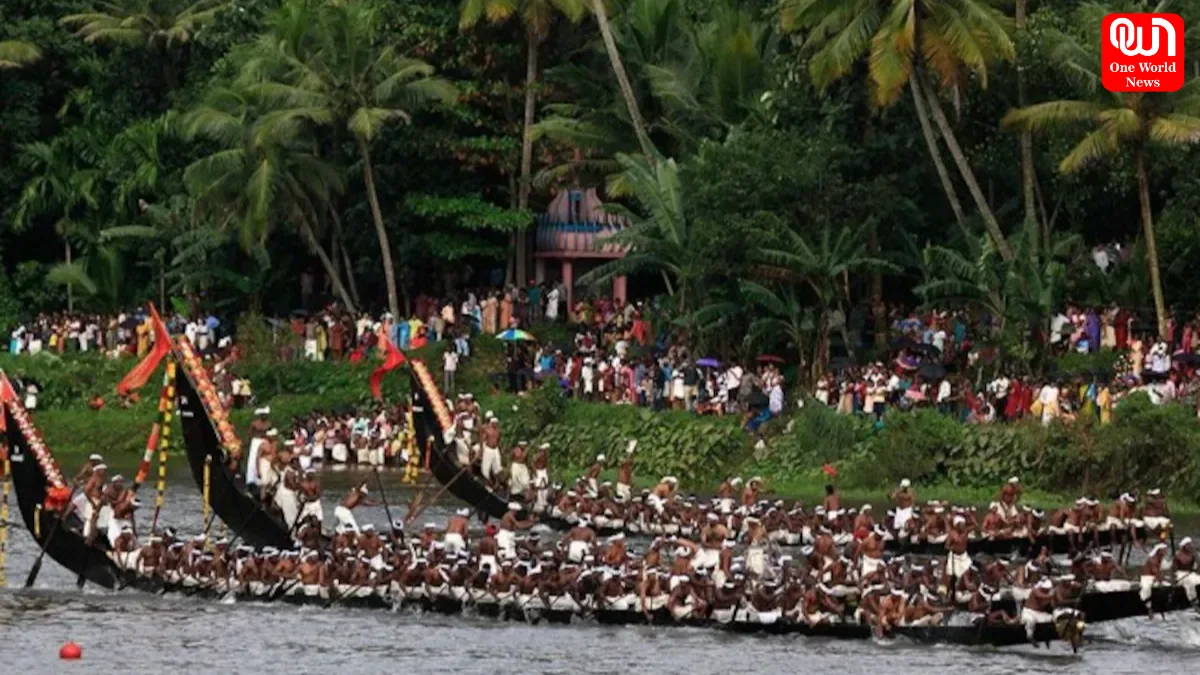
Kerala Snake Boats: The Sacred Tradition Behind Chundan Vallams, Nehru Trophy, Boat Race, Vanclippattu And Kerala Culture
When people think of Kerala, images of peaceful backwaters, coconut trees, houseboats, and colorful festivals often come to mind. But among the most fascinating traditions of the state are Kerala Snake Boats, locally known as Chundan Vallams. These long, narrow boats are famous for their spectacular races, especially the Nehru Trophy held at Punnamada Lake in Alappuzha.
Yet, these boats are much more than sporting vessels. For many communities, they represent history, pride, teamwork, faith, and Village Identity. A snake boat is traditionally treated with respect, and its journey can involve ceremonies, blessings, naming traditions, songs, and even ritual farewells.
What Are Chundan Vallams?
Chundan Vallams are traditional longboats designed to carry large teams of rowers. Their distinctive raised rear section gives them the appearance of a snake, which is why they became popularly known as snake boats.
Building one is a specialized craft. Traditionally, experienced boat builders select suitable wood and carefully shape the vessel according to established methods. The finished boat can accommodate a large rowing team, along with singers and supporters.
The boat itself becomes a symbol of the community that owns or represents it. Its name, appearance, history, and racing achievements can become part of local storytelling passed from one generation to another.
Why Are Kerala Snake Boats Blessed?
Before entering important races, a traditional boat may be treated almost like a respected member of the community. Ceremonial practices vary between villages and boat clubs, but blessings and prayers can form an important part of preparations.
These rituals reflect the connection between Kerala Culture and the waterways that have shaped life in the region for centuries. The purpose is not simply to prepare the boat for competition but also to seek protection, good fortune, unity, and a successful journey for the rowers.
The atmosphere surrounding these ceremonies can be deeply emotional. Families, villagers, musicians, rowers, and supporters may gather together, turning a sporting event into a shared cultural occasion.
Boat Names Carry Stories And Identity
A boat’s name can carry considerable meaning. Some names are connected with local places, communities, traditions, historical figures, or cultural beliefs. Over time, a successful snake boat can become famous far beyond its home village.
This is why Village Identity is such an important part of the snake-boat tradition. The boat becomes something the community can rally around. Winning a race is certainly a matter of pride, but participation itself can strengthen relationships between generations and bring people together.
For younger villagers, joining a rowing team can also become a way of connecting with traditions that their parents and grandparents experienced.
Read more: Govardhan Puja 2026
The Energy Of The Nehru Trophy
The Nehru Trophy is one of Kerala’s best-known snake-boat racing events. Held on Punnamada Lake in Alappuzha, the event attracts enormous attention and showcases the skill, coordination, and endurance required to row these large traditional boats.
The race is famous for its synchronized rowing. Dozens of rowers move together to the rhythm of songs and commands. Spectators gather along the lake and surrounding areas to watch the dramatic competition.
However, the excitement of race day represents only one part of the larger tradition. Months of preparation, practice, boat maintenance, community organization, and cultural ceremonies often lead up to the event.
Vanclippattu: The Sound Of Teamwork
One of the most memorable elements of a traditional Boat Race is Vanclippattu, the rhythmic boat songs associated with rowing traditions in Kerala. The songs help create a common rhythm for the rowers while adding an unmistakable cultural character to the race.
As the rowers pull their oars together, the voices of the singers and the movement of the boat create a powerful spectacle. Vanclippattu is therefore not simply entertainment. It represents coordination, encouragement, tradition, and collective energy.
The combination of singing and synchronized rowing demonstrates how closely sport and culture are connected in Kerala’s traditional boat races.
Ritual Farewells Are Part Of The Story
The relationship between a community and its snake boat does not necessarily end when a race is over. Boats may be carefully stored, maintained, blessed, or ceremonially handled according to local customs.
In some traditions, farewells and post-event rituals emphasize respect for the boat and the effort associated with it. These practices remind people that the vessel is not merely a piece of sporting equipment. It is part of a cultural heritage that connects communities with their past.
The emotional attachment can be especially strong when a boat has participated in important races for many years.
Preserving A Living Kerala Tradition
Today, snake-boat racing has become an important attraction for visitors interested in Kerala’s heritage. Events such as the Nehru Trophy provide an opportunity to witness an extraordinary combination of sport, music, craftsmanship, and community participation.
At the same time, the deeper meaning of Kerala Snake Boats lies beyond tourism. They preserve traditional craftsmanship, encourage community participation, and keep old songs and customs alive.
From the careful construction of Chundan Vallams to blessings before a race and the powerful rhythms of Vanclippattu, every part of the tradition tells a story.
Read more: Bhai Dooj 2026: Date, Significance, Rituals, Muhurat, And Celebration Ideas
Final Thoughts
Kerala’s snake boats are not simply racing boats cutting through the waters of Punnamada Lake. They are symbols of faith, craftsmanship, teamwork, history, and Village Identity. The Nehru Trophy may provide the grand stage, but the real story begins much earlier—with preparation, blessings, naming, training, songs, and community pride.
That is what makes the traditional Boat Race experience so special. It is not only about who reaches the finish line first. It is about preserving a living tradition and celebrating the enduring spirit of Kerala Culture.
We’re now on WhatsApp. Click to join.
Like this post?
Register at One World News to never miss out on videos, celeb interviews, and best reads.