From 8 PM Announcements To Midnight Reels: Prime Minister Modi Leads Algorithmic Pivot To Connect With Gen Z
Prime Minister Modi shifts to Instagram reels as Gen Z drives Delhi protest, CJP, NEET debate, meme culture, digital politics and internet trends.

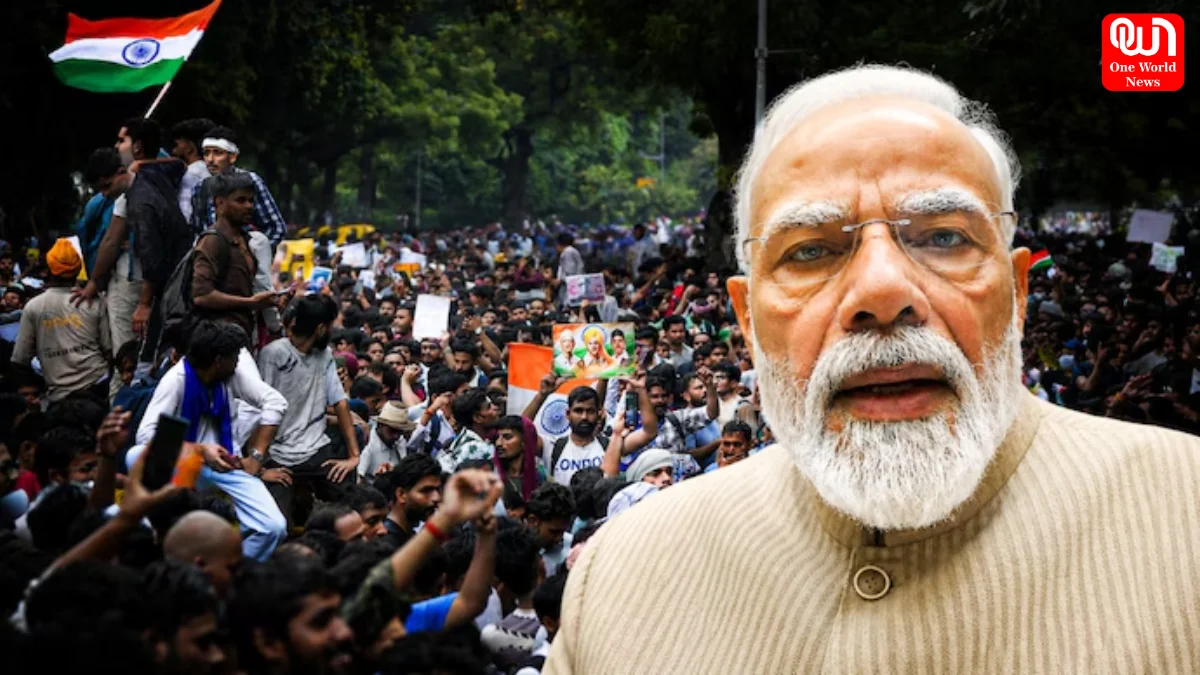
From 8 PM Announcements To Midnight Reels: How Prime Minister Modi’s Digital Strategy Targets Gen Z Amid Delhi Protest, Cockroach Janta Party (CJP), NEET Debate, Instagram Reels and Internet Meme Culture
For years, Prime Minister Narendra Modi’s public communication followed a familiar pattern. Major speeches, televised 8 PM announcements, and carefully planned national addresses shaped the government’s messaging. However, India’s rapidly changing digital landscape is transforming political communication. Today, short-form videos, viral Instagram posts, internet conversations, and late-night reel uploads are becoming equally important in reaching millions of young Indians.
The shift comes at a time when Gen Z dominates online conversations surrounding education, employment, and national issues. Recent events, including the Delhi protest, the rise of the Cockroach Janta Party (CJP), and widespread discussions around NEET, have demonstrated how internet culture now influences mainstream political narratives.
The Rise of Gen Z as India’s Digital Political Force
India has one of the world’s youngest populations, and Gen Z spends a significant amount of time consuming content through social media rather than traditional television. Instead of waiting for evening news bulletins, young users receive updates through trending hashtags, creators, influencers, and viral meme pages.
Political communication is therefore adapting to where audiences already are. Whether discussing policy, governance, or national achievements, leaders increasingly rely on visual storytelling through Instagram videos, short clips, and behind-the-scenes content that fits today’s attention span.
Experts believe this represents an algorithmic shift rather than simply a social media trend. Success is increasingly measured by engagement, shares, comments, and watch time instead of television ratings.
NEET Controversy Changed the Digital Conversation
The recent NEET controversy significantly reshaped online political discussions. Millions of students turned to social media to express frustration over examination issues, paper leaks, and concerns about the future of India’s education system.
As protests gained momentum, discussions quickly expanded beyond examinations into broader debates about accountability and governance. The issue became one of the most discussed topics across India’s internet, generating millions of posts, reaction videos, and live updates.
Delhi Protest and the Emergence of Cockroach Janta Party (CJP)
Perhaps the biggest surprise has been the emergence of the Cockroach Janta Party (CJP), which originated largely through online satire before evolving into real-world demonstrations.
The Delhi protest attracted nationwide attention as protesters used humour, parody, cosplay, and viral meme formats to communicate political messages. Rather than relying solely on traditional slogans, participants embraced the language of social media, making their content highly shareable among younger audiences.
This unique communication style reflects how politics is increasingly influenced by digital creativity and participatory culture.
Instagram Reels Become the New Political Stage
The popularity of Instagram has changed how political leaders engage with citizens. Short-form reel videos provide opportunities to deliver quick updates, showcase government initiatives, and respond rapidly to trending issues.
Recent reports indicate that Prime Minister Modi’s Instagram activity experienced a substantial increase in engagement following a selfie-style video addressing concerns related to the NEET controversy, highlighting the growing importance of creator-style communication.
read more: BSF Firing Malda: BSF Jawan Opens Fire at Malda Headquarters, Two Jawans Killed, One Critical
Unlike traditional speeches, Instagram content allows immediate interaction through comments, likes, shares, and user-generated responses, creating a more conversational relationship with younger audiences.
Internet Memes Are Reshaping Political Messaging
Today’s political debates frequently begin with an internet joke before appearing in television discussions.
The modern meme functions as both entertainment and commentary. Complex issues surrounding governance, education, public policy, and elections are increasingly simplified into humorous images, short videos, and viral posts.
While memes cannot replace detailed policy discussions, they influence public perception by making complicated topics more accessible to younger audiences who primarily consume information through digital platforms.
Digital Politics Is Here to Stay
The transformation from televised announcements to midnight reel uploads illustrates how political communication continues to evolve alongside technology.
Whether discussing national development, responding to crises, or engaging with students, leaders now recognise that meaningful conversations increasingly happen across social media platforms. The rise of digital participation means campaigns are no longer confined to rallies or television broadcasts but unfold continuously across the internet.
As Gen Z becomes an even larger voting bloc, platforms like Instagram will likely remain central to political outreach. Issues such as NEET, education, the Delhi protest, and movements like the Cockroach Janta Party (CJP) demonstrate that today’s political narratives are increasingly shaped by viral content, online communities, and the ever-changing algorithms that determine what millions of users see every day.
We’re now on WhatsApp. Click to join.
Like this post?
Register at One World News to never miss out on videos, celeb interviews, and best reads.