Can Saudi Arabia Now Build A Nuclear Bomb? Decoding Trump’s Landmark Deal With Riyadh
Can Saudi Arabia build a nuclear bomb? Decode Trump's Landmark Deal With Riyadh, uranium enrichment, risks, and Middle East impact.

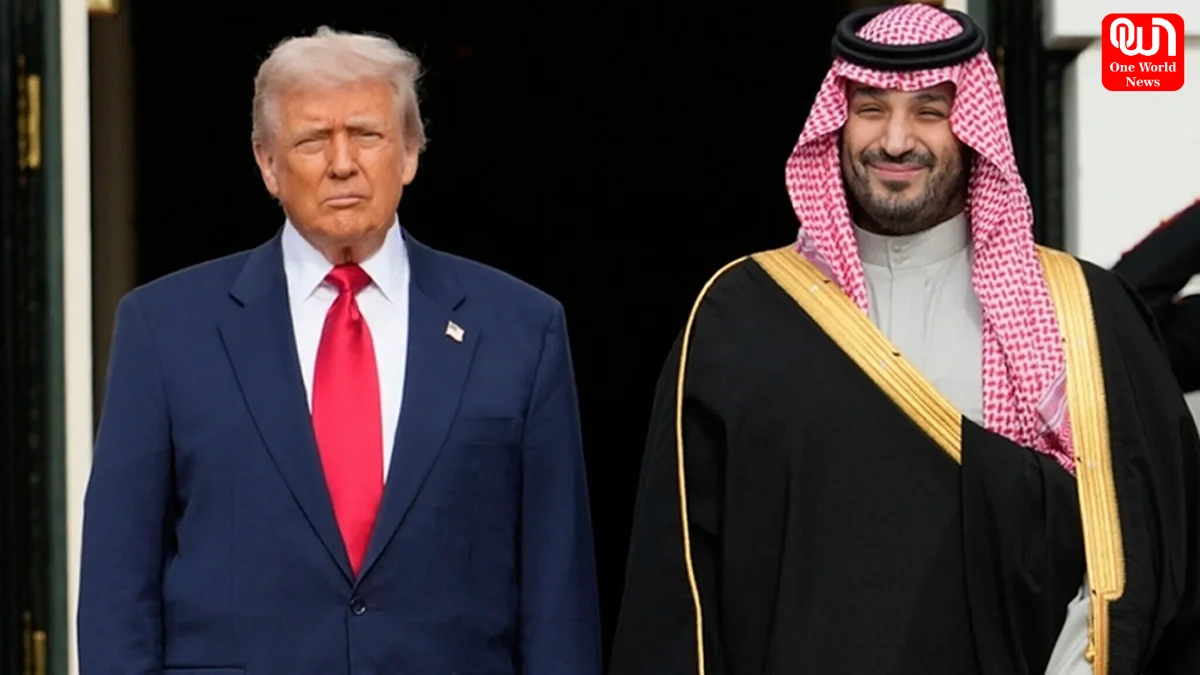
Can Saudi Arabia Now Build A Nuclear Bomb? Decoding Trump’s Landmark Deal With Riyadh and What the New US-Saudi Nuclear Agreement Means for the Middle East
The approval of Trump’s Landmark Deal With Riyadh has sparked intense debate across the world. While the agreement is officially focused on helping Saudi Arabia develop a civilian nuclear energy program, critics and security experts are asking a critical question: Could this eventually enable Saudi Arabia to build a nuclear bomb? The deal marks one of the most significant shifts in US-Saudi relations in years and could reshape the balance of power in the Middle East.
What Is Trump’s Landmark Deal With Riyadh?
Trump’s Landmark Deal With Riyadh is a proposed 30-year civilian nuclear cooperation agreement between the United States and Saudi Arabia. Under the agreement, American companies could help Saudi Arabia develop nuclear reactors, expand nuclear infrastructure, and potentially establish uranium enrichment capabilities within the Kingdom.
Unlike previous agreements signed with countries such as the UAE, reports suggest this deal does not require Saudi Arabia to permanently give up uranium enrichment or adopt some of the strictest international safeguards. That difference has become the center of global attention.
Does This Mean Saudi Arabia Can Build A Nuclear Bomb?
The short answer is no—not immediately.
The agreement does not give Saudi Arabia permission to build nuclear weapons. It is designed for civilian purposes, including electricity generation and water desalination. Saudi Arabia also remains a signatory to the Nuclear Non-Proliferation Treaty (NPT), which prohibits member states from developing nuclear weapons.
However, the concern lies in uranium enrichment.
Read more: US Shares Video Of Strikes On 90 Iranian Military Targets; Tehran Issues Fresh Warning | Watch
Enriched uranium is necessary for producing fuel for nuclear power plants. At low levels, it powers reactors safely. But the same technology, if expanded to much higher enrichment levels, can theoretically produce weapons-grade material. This is why uranium enrichment is often described as a “dual-use” technology.
Why Uranium Enrichment Is So Controversial
One of the biggest talking points surrounding Trump’s Landmark Deal With Riyadh is the possibility of Saudi Arabia enriching uranium on its own soil.
Experts argue that allowing domestic enrichment creates a future capability that could, if political circumstances change, be redirected toward military purposes. Critics also point to past comments by Saudi Crown Prince Mohammed bin Salman, who previously stated that if Iran developed a nuclear weapon, Saudi Arabia would seek one as well.
Supporters of the agreement argue that US involvement actually provides stronger oversight than allowing Saudi Arabia to rely on Russia or China for nuclear technology.
How Could This Affect The Middle East?
The Middle East is already one of the world’s most strategically sensitive regions. Iran’s nuclear program has remained a major international concern for years, and any expansion of Saudi Arabia’s nuclear capabilities could intensify regional competition.
Several analysts believe the agreement could:
- Increase pressure on Iran.
- Encourage other regional countries to pursue civilian nuclear programs.
- Trigger debates about nuclear safeguards and inspections.
- Strengthen US influence over Saudi Arabia’s future energy sector.
Supporters believe the agreement helps maintain American leadership while preventing Saudi Arabia from turning to rival powers for nuclear cooperation.
Why Is The Deal Facing Criticism?
Although the agreement promotes civilian nuclear energy, lawmakers and non-proliferation experts have expressed concern over missing safeguards.
Reports indicate the proposed agreement may not include the “Gold Standard,” which requires countries to permanently renounce uranium enrichment and spent fuel reprocessing. There are also questions about whether enhanced International Atomic Energy Agency (IAEA) inspection measures will be included.
These concerns have led to calls for greater congressional scrutiny before the agreement is fully implemented.
The Bigger Picture
Saudi Arabia has long planned to diversify its economy beyond oil through its Vision 2030 strategy. Civilian nuclear energy is viewed as a way to generate electricity, support industrial growth, and free more oil for export. The United States, meanwhile, sees the agreement as an opportunity to strengthen strategic ties and ensure American companies play a leading role in Saudi Arabia’s nuclear future instead of competitors like Russia or China.
Read more: Could Trump’s 20% Strait Of Hormuz Toll Hit Your Fuel Bill? India Is Watching Closely
Final Thoughts
Trump’s Landmark Deal With Riyadh represents a historic shift in US-Saudi cooperation, but it does not mean Saudi Arabia can immediately build a nuclear bomb. The agreement is officially limited to civilian nuclear development, yet the inclusion of potential uranium enrichment has raised important questions about future proliferation risks.
Whether the deal ultimately strengthens regional stability or creates new security challenges will depend on the safeguards, inspections, and international oversight attached to its implementation. As Congress reviews the agreement and global leaders weigh its implications, Trump’s Landmark Deal With Riyadh is likely to remain one of the most closely watched geopolitical developments of the year.
We’re now on WhatsApp. Click to join.
Like this post?
Register at One World News to never miss out on videos, celeb interviews, and best reads.