What Is Japan’s 500-Year-Old Ichiju-Sansai Diet? Experts Reveal How Indians Can Adapt It for a Healthier Lifestyle
Discover Japan's 500-year-old Ichiju-Sansai Diet, its health benefits, and expert tips on how Indians can adapt this balanced eating style.

What Is Japan’s 500-Year-Old Ichiju-Sansai Diet? Learn the Traditional Japan Meal Plan, Health Benefits, and How Indians Can Easily Adapt the Ichiju-Sansai Diet
Japan is often admired for its long life expectancy, healthy aging, and low obesity rates. While genetics and lifestyle play a role, experts say one of the biggest reasons is the country’s traditional eating habits. One such centuries-old approach is the Ichiju-Sansai Diet, a meal pattern that has been part of Japan‘s food culture for nearly 500 years. Rather than being a restrictive diet, the Ichiju-Sansai Diet focuses on balance, variety, seasonal ingredients, and mindful eating. Today, nutrition experts believe this simple eating style can also work well for Indian households with a few practical modifications.
What Is the Ichiju-Sansai Diet?
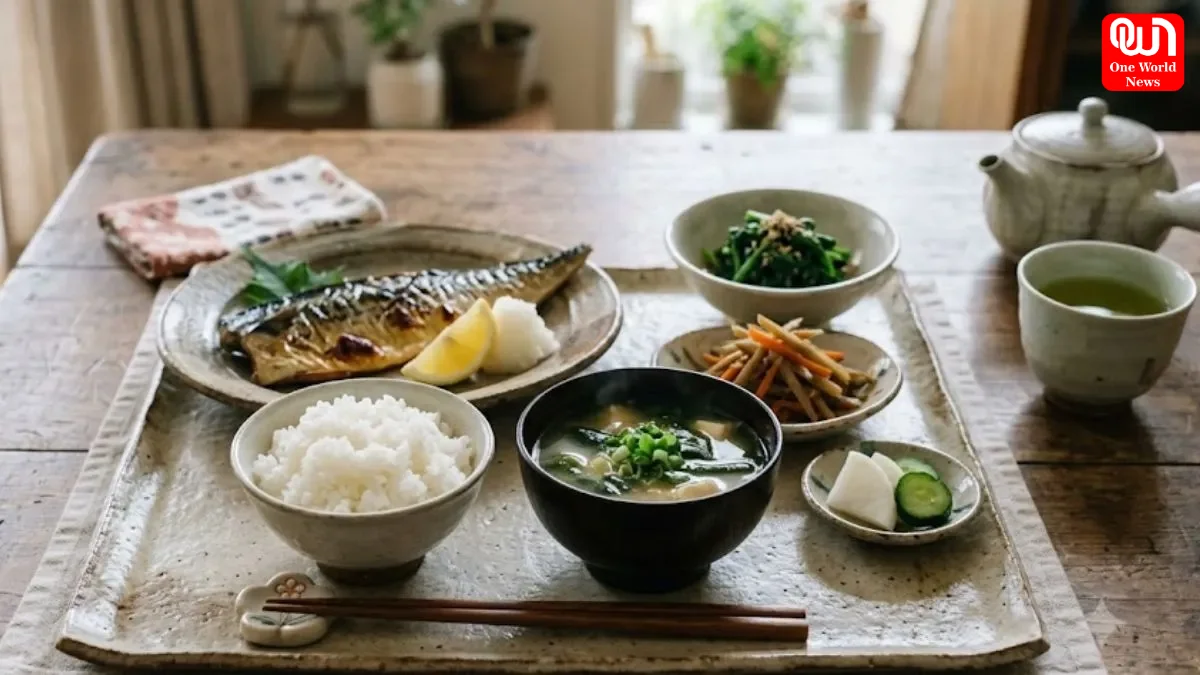
The term Ichiju-Sansai literally translates to “one soup and three dishes.” A traditional meal typically includes:
- One bowl of soup (usually miso soup)
- One main protein dish (fish, tofu, eggs, or lean meat)
- Two vegetable-based side dishes
- A serving of rice
- Pickles or fermented vegetables
This meal structure became popular during Japan’s Muromachi period and later became the foundation of traditional Japanese cuisine, known as Washoku. The emphasis isn’t on calorie counting but on eating a variety of nutrient-rich foods in moderate portions.
Why Is Japan’s Ichiju-Sansai Diet Considered Healthy?
Unlike modern fad diets that eliminate entire food groups, the Ichiju-Sansai Diet encourages nutritional balance. Every meal contains carbohydrates, protein, healthy fats, vitamins, minerals, and fibre.
Some of its key health benefits include:
- Better digestion through fibre-rich vegetables and fermented foods
- Balanced blood sugar due to portion-controlled meals
- Reduced intake of processed foods
- Improved gut health from fermented ingredients like miso and pickles
- Greater meal satisfaction through food variety
Experts also point out that the diet naturally limits overeating because each meal is thoughtfully portioned and designed to be filling without excess calories.
Read more: World Arthritis Day 2026: Date, Importance, Symptoms, Prevention & Awareness
How Can Indians Adapt the Ichiju-Sansai Diet?
The good news is that Indians don’t need to prepare Japanese food every day to follow the philosophy of the Ichiju-Sansai Diet. Nutritionists suggest adapting the structure using familiar Indian ingredients.
For example:
- Soup: Vegetable soup, dal shorba, rasam, or tomato soup
- Main protein: Dal, paneer, tofu, grilled fish, eggs, sprouts, or chicken
- Vegetable sides: Seasonal sabzi, stir-fried greens, beans, or mixed vegetables
- Staple: Brown rice, millet, hand-pounded rice, or whole wheat roti
- Fermented food: Homemade curd, buttermilk, fermented dosa batter, or traditional pickles in moderation
This approach keeps meals balanced while respecting Indian food preferences and regional cuisines.
Simple Indian Version of an Ichiju-Sansai Meal
A practical Indian lunch following the Japan-inspired Ichiju-Sansai Diet could include:
- A bowl of mixed vegetable soup
- Moong dal or grilled paneer
- Stir-fried spinach
- Cabbage and carrot sabzi
- One serving of brown rice or two whole wheat rotis
- A small bowl of curd
This combination provides protein, fibre, healthy carbohydrates, vitamins, and probiotics in one satisfying meal.
Why Experts Recommend Seasonal Ingredients
One of the core principles of the Ichiju-Sansai Diet is eating foods that are fresh and in season. Seasonal vegetables and fruits are often richer in nutrients, fresher, and more affordable.
For Indian families, this could mean choosing local vegetables such as bottle gourd, pumpkin, spinach, cauliflower, okra, drumsticks, or leafy greens depending on the season. This not only improves nutrition but also supports sustainable eating habits.
Does the Ichiju-Sansai Diet Help With Weight Management?
Although the Ichiju-Sansai Diet isn’t designed as a weight-loss program, many dietitians believe its balanced meal composition can support healthy weight management. Since meals include adequate protein, fibre, and moderate portions of carbohydrates, people often feel full for longer and are less likely to snack on processed foods.
However, experts stress that overall health also depends on regular physical activity, sufficient sleep, and mindful eating habits.
read more: Autoimmune Disease vs Weak Immunity: What is the Difference?
Final Thoughts
The traditional Japan eating pattern proves that healthy nutrition doesn’t have to be complicated. The Ichiju-Sansai Diet is less about following strict food rules and more about creating balanced meals with a variety of wholesome ingredients. Indians can easily embrace this centuries-old philosophy by combining soups, proteins, vegetables, whole grains, and fermented foods using locally available ingredients. With small everyday changes, this simple Japanese meal structure can become a practical and sustainable way to support long-term health and wellness.
We’re now on WhatsApp. Click to join.
Like this post?
Register at One World News to never miss out on videos, celeb interviews, and best reads.