
How to Grow Marigold Flowers in Your Home Garden: A Complete Step-by-Step Guide for Beginners
Learn how to Grow Marigold Flowers at home with this step-by-step guide. Discover planting, watering, care tips, and FAQs for vibrant blooms.

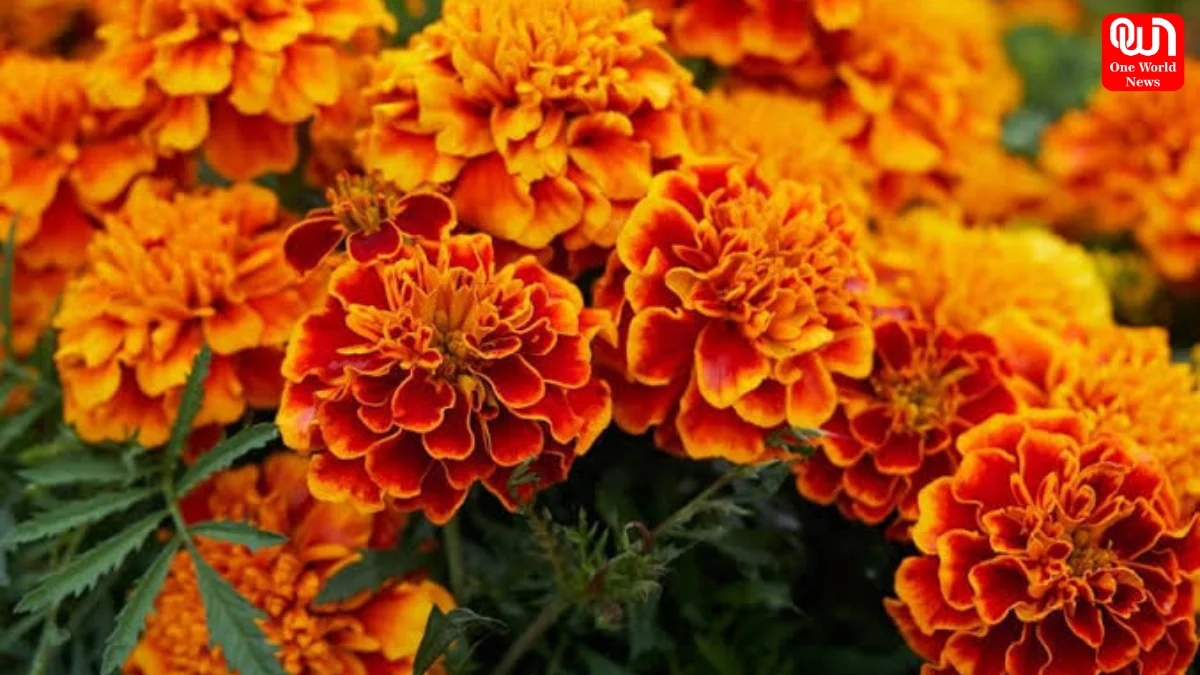
How to Grow Marigold Flowers in Your Home Garden: Step-by-Step Guide to Grow Marigold Flowers Easily from Seeds and Plants
Marigolds are among the easiest and most rewarding flowers to grow in any home garden. Their bright yellow, orange, and golden blooms instantly add beauty to balconies, terraces, flower beds, and pots. If you’re looking to Grow Marigold Flowers, you’ll be happy to know they require very little maintenance and bloom for several months when cared for properly.
Apart from their attractive appearance, marigolds naturally help repel certain garden pests, making them excellent companion plants for vegetables and herbs. Whether you’re a beginner or an experienced gardener, this guide will help you successfully Grow Marigold Flowers with simple steps.
Why Grow Marigold Flowers?
There are plenty of reasons gardeners love marigolds:
- Easy to grow from seeds or nursery plants
- Long flowering season
- Bright and colorful blooms
- Perfect for pots, containers, and garden beds
- Attract butterflies and beneficial pollinators
- Help repel aphids, nematodes, and some harmful insects
- Suitable for beginners
These benefits make marigolds one of the best flowering plants for home gardens.
Step 1: Choose the Right Location
The first step to Grow Marigold Flowers is selecting a sunny location. Marigolds love sunlight and need at least six hours of direct sunlight daily for healthy growth and abundant flowers.
Ideal locations include:
- Home gardens
- Balconies
- Rooftops
- Window boxes
- Outdoor containers
Avoid planting them in heavily shaded areas because fewer flowers will develop.
Step 2: Prepare Well-Draining Soil
Healthy soil is essential for beautiful blooms. Marigolds prefer loose, fertile, well-drained soil that allows excess water to escape.
You can prepare the soil by mixing:
- Garden soil
- Compost
- Sand
- Organic manure
Avoid waterlogged soil since excessive moisture may cause root rot and poor flowering.
Step 3: Plant the Seeds or Seedlings
You can Grow Marigold Flowers either from seeds or healthy nursery seedlings.
For seeds:
- Sow seeds about ¼ inch deep.
- Space them 8–12 inches apart depending on the variety.
- Water gently after planting.
Seeds usually germinate within one to two weeks under warm conditions. Once seedlings develop several leaves, they can be transplanted if started indoors.
Step 4: Water Properly
Watering is simple but important.
- Keep the soil slightly moist during germination.
- Water deeply once or twice a week after the plant establishes.
- Reduce watering during rainy weather.
- Never let water stand around the roots.
Too much water can damage the plant, while moderate watering encourages healthy blooms.
Step 5: Fertilize Occasionally
Marigolds don’t require heavy feeding.
Apply compost or a balanced organic fertilizer once every few weeks during the growing season. Avoid excessive nitrogen fertilizer because it encourages leafy growth instead of flowers.
Healthy nutrition helps Grow Marigold Flowers with larger and longer-lasting blooms.
Step 6: Remove Dead Flowers
One of the easiest ways to encourage continuous blooming is deadheading.
Simply remove faded flowers regularly. This encourages the plant to produce fresh buds rather than using energy to create seeds.
Regular pruning also keeps plants neat and bushy.
Step 7: Protect from Pests
Although marigolds naturally resist many insects, occasionally you may notice:
- Aphids
- Spider mites
- Powdery mildew
Maintain proper spacing for airflow, avoid overwatering, and remove damaged leaves. Most problems disappear with basic garden care.
Best Tips to Grow Marigold Flowers Successfully
For healthier plants and more blooms:
- Plant in full sunlight.
- Use well-drained soil.
- Water moderately.
- Remove faded flowers regularly.
- Add compost every few weeks.
- Avoid overcrowding plants.
- Ensure good air circulation.
Following these simple practices will help Grow Marigold Flowers that bloom beautifully throughout the season.
Read more: World Sake Day 2026: Date, History, Significance, Celebration Ideas & Interesting Facts
Conclusion
Learning how to Grow Marigold Flowers is one of the easiest ways to create a colorful, vibrant home garden. With proper sunlight, healthy soil, regular watering, and occasional maintenance, marigolds reward you with months of cheerful blooms. Whether planted in pots, flower beds, balconies, or terraces, these low-maintenance flowers bring lasting beauty while also supporting a healthier garden ecosystem.
We’re now on WhatsApp. Click to join.
Like this post?
Register at One World News to never miss out on videos, celeb interviews, and best reads.