20 Answer Sheet Mix-Ups, 13,000 Manual Checks: Inside CBSE’s Digital Evaluation Mess
CBSE Digital Evaluation Mess revealed 20 answer sheet mix-ups and 13,000 manual checks, raising concerns about exam accuracy and transparency.

20 Answer Sheet Mix-Ups, 13,000 Manual Checks and Scanning Errors: How CBSE Digital Evaluation Mess Sparked Concerns Over Transparency and Accuracy
The Central Board of Secondary Education (CBSE) has come under intense scrutiny after reports revealed nearly 20 answer sheet mix-ups and more than 13,000 answer sheets requiring manual evaluation during the implementation of its new digital assessment system. The issue has sparked widespread concern among students, parents, and education experts, raising serious questions about the efficiency of the CBSE Digital Evaluation Mess and the future of technology-driven assessments.
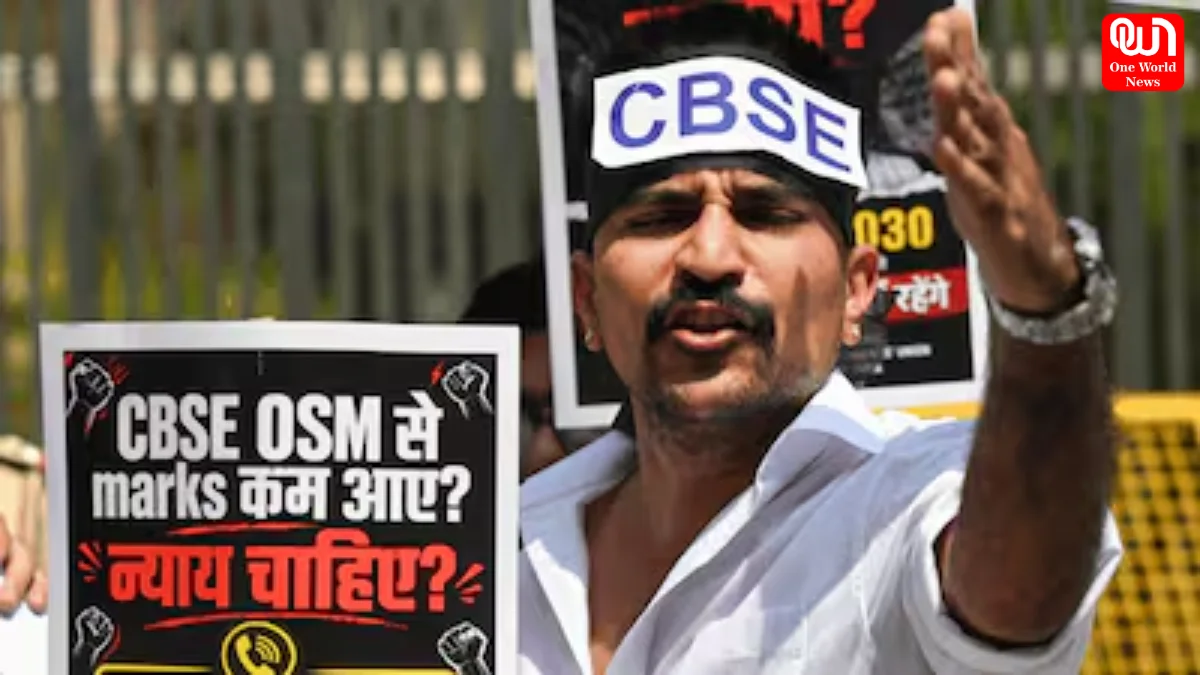
The controversy emerged after several students claimed that the scanned answer sheets uploaded during the verification and re-evaluation process did not belong to them. These incidents quickly gained attention on social media, prompting CBSE to investigate the matter and address the complaints.
How the 20 Answer Sheet Mix-Ups Were Discovered
The problem came to light when students accessed their scanned answer sheets through the CBSE portal. Instead of seeing their own responses, some students reportedly found answer sheets belonging to other candidates. According to reports, approximately 20 such cases were identified during the first large-scale implementation of the digital evaluation system.
Students and parents expressed concerns about the possibility of incorrect marking, data mismatches, and technical glitches. While CBSE later provided the correct answer sheets to affected students, the incident highlighted vulnerabilities within the scanning and digital management process.
The 20 Answer Sheet Mix-Ups became a talking point across educational forums, with many questioning whether adequate quality control measures were in place before launching the new evaluation model.
Read more: 30 May Veronica Gold Update: Gold and Silver Pricers Hold Steady Amid Cautious Market Sentiment
Why 13,000 Answer Sheets Needed Manual Checking
One of the most alarming revelations from the CBSE Digital Evaluation Mess was that more than 13,000 answer sheets had to be checked manually. Reports suggest that nearly 98 lakh answer sheets were scanned under the new system, but thousands faced quality and legibility issues.
Initially, around 68,000 answer sheets reportedly showed scanning problems and required re-scanning. Despite repeated attempts, more than 13,000 answer sheets still failed to meet the required standards for digital evaluation. As a result, these papers had to be manually reviewed and marked by examiners.
This development raises important questions about the reliability of large-scale digitization in high-stakes examinations. While technology is intended to improve efficiency, poor image quality and scanning errors can create additional workload and uncertainty.
The Goal Behind CBSE’s Digital Evaluation Initiative
CBSE introduced the On-Screen Marking (OSM) system to modernize the evaluation process and improve transparency. The objective was to allow answer sheets to be digitized and assessed electronically, reducing human errors and enabling easier access for students seeking re-evaluation.
Digital evaluation systems have been adopted by various educational institutions worldwide due to their potential benefits, including faster result processing, centralized monitoring, and enhanced transparency. However, the recent issues indicate that the transition from traditional methods to digital systems requires careful planning and rigorous testing.
Despite the current challenges, CBSE officials continue to defend the initiative, stating that technology remains the future of examination management.
Student Concerns and Public Reactions
The incidents have triggered strong reactions from students and parents across the country. Many students worry that technical errors could affect their academic performance and future opportunities. Social media platforms have witnessed numerous discussions regarding answer sheet mismatches, missing pages, and concerns about evaluation accuracy.
Educational experts believe that while digital transformation is necessary, student trust must remain the top priority. Transparency in handling complaints and correcting mistakes is essential to maintaining confidence in the examination system.
The CBSE Digital Evaluation Mess has also reignited debates about balancing technological innovation with accountability and quality assurance.
What Happens Next for CBSE?
Reports indicate that technical experts and educational authorities are reviewing the digital evaluation process to identify weaknesses and prevent future errors. Improvements in scanning quality, software integration, and verification procedures are expected before the next examination cycle.
CBSE has emphasized that the issues affected only a small percentage of total answer sheets. Nevertheless, the board recognizes the importance of addressing these concerns to ensure a seamless and trustworthy evaluation system moving forward.
As educational institutions increasingly embrace digital technologies, the lessons learned from this episode could play a significant role in shaping future examination reforms across India.
Conclusion
The discovery of 20 Answer Sheet Mix-Ups and the need for 13,000 Manual Checks have placed the CBSE Digital Evaluation Mess under the spotlight. While the move toward digital assessment aims to enhance transparency and efficiency, the recent challenges demonstrate that technology-driven systems must be supported by strong quality controls and continuous monitoring.
For students, accuracy in evaluation remains non-negotiable. As CBSE works to strengthen its digital infrastructure, the focus will remain on ensuring fairness, reliability, and confidence in one of India’s largest examination systems.
We’re now on WhatsApp. Click to join.
Like this post?
Register at One World News to never miss out on videos, celeb interviews, and best reads.