India Preparing For Operation Sindoor 2.0: Army Chief Says Tri-Services Ready For Future Warfare Amid Rising Security Challenges
Operation Sindoor 2.0 gains momentum as Army Chief confirms tri-services readiness, future warfare planning, and advanced defence preparedness.

India Preparing For Operation Sindoor 2.0: Army Chief Says Tri-Services Ready For Future Warfare Amid Rising Security Challenges
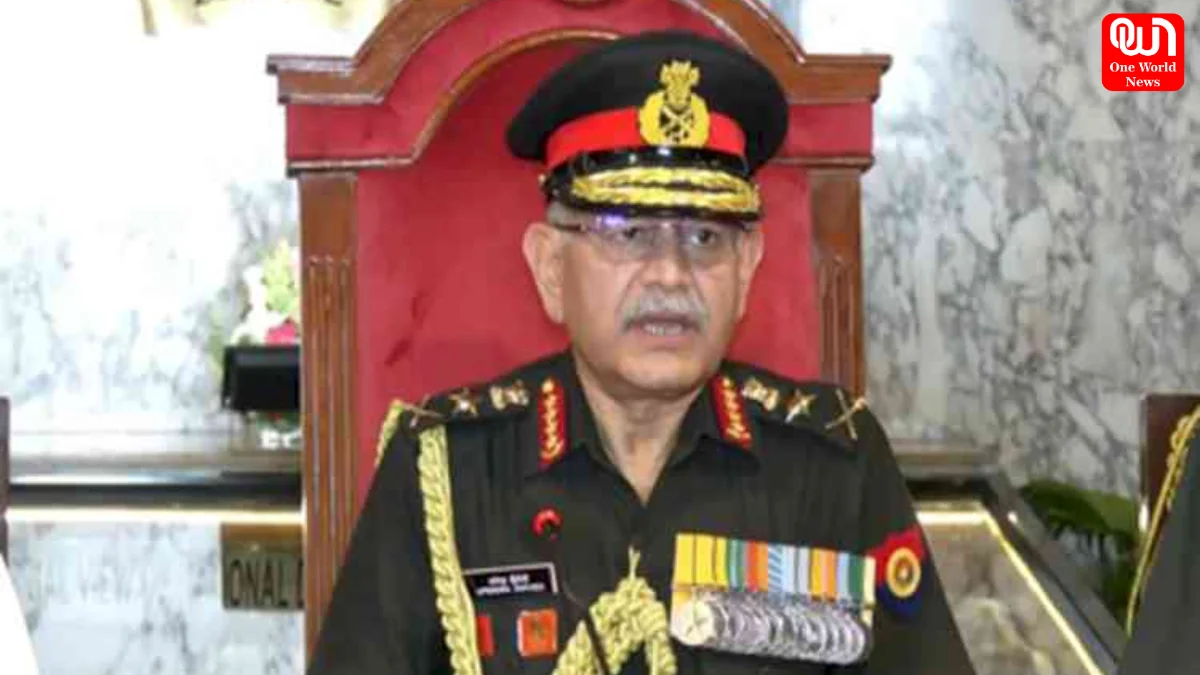
India’s defence preparedness has once again become a major topic of discussion after Army Chief General Upendra Dwivedi stated that the country is preparing for Operation Sindoor 2.0. The announcement highlights the growing focus on modern warfare, military modernization, and enhanced coordination among the Army, Navy, and Air Force. According to the Army Chief, all three services are strengthening their operational capabilities to tackle future security threats and ensure national safety.
The statement comes at a time when regional security dynamics continue to evolve, making preparedness and strategic planning essential for safeguarding India’s interests. Reports indicate that Operation Sindoor remains active, while preparations for its next phase are already underway.
What Is Operation Sindoor 2.0 and Why Is It Important?
Operation Sindoor 2.0 represents India’s continued commitment to strengthening national defence and maintaining operational readiness. While military officials have not disclosed complete operational details, the initiative reflects a broader strategy focused on preparedness, rapid response, and future combat capabilities.
The Army Chief emphasized that modern battlefields have become highly transparent due to surveillance technologies, drones, satellites, and real-time intelligence systems. This requires armed forces to remain vigilant and adaptable at all times. The initiative is expected to focus on advanced warfare systems, integrated military operations, and stronger coordination between defence branches.
Army, Navy, and Air Force Enhancing Joint Operational Strength
One of the key aspects of Operation Sindoor 2.0 is the growing synergy among India’s three military services. Defence experts believe that future conflicts will require seamless coordination across land, sea, and air domains.
General Dwivedi stated that the armed forces are actively working to improve interoperability and joint decision-making. This integrated approach allows the military to respond more effectively to emerging threats and complex security situations. Joint operations can significantly enhance operational efficiency, improve intelligence sharing, and strengthen national defence mechanisms.
read more: 30 May Veronica Gold Update: Gold and Silver Pricers Hold Steady Amid Cautious Market Sentiment
Future Warfare Will Extend Beyond Traditional Battlefields
Modern warfare is rapidly evolving, and military leaders are increasingly focusing on non-traditional domains such as cyber warfare, cognitive warfare, space-based operations, and electronic warfare.
Senior defence officials have highlighted that future conflicts may not be limited to physical combat zones. Instead, they could involve digital attacks, information warfare, artificial intelligence-driven systems, and advanced surveillance technologies. As a result, India is investing in technology-driven defence solutions to remain prepared for emerging challenges.
Technology and Modernization Driving Defence Preparedness
The Indian Armed Forces have been accelerating modernization efforts through the adoption of advanced technologies. From drone systems and intelligent surveillance networks to integrated command structures, technology is becoming a central pillar of military readiness.
Military leadership believes that future success will depend on real-time situational awareness, rapid communication, and effective use of advanced equipment. The emphasis on modernization under Operation Sindoor 2.0 reflects India’s long-term strategy of building a future-ready defence force capable of addressing evolving threats.
National Security Remains a Top Priority
India’s security environment continues to face challenges ranging from cross-border threats to emerging cyber risks. Defence planners are focusing on maintaining readiness while ensuring the protection of civilians and military personnel.
The Army Chief reiterated that preparedness remains a continuous process and that the armed forces are committed to protecting national interests under all circumstances. By enhancing tri-services coordination and investing in advanced capabilities, India aims to strengthen its strategic position and ensure long-term security stability.
Conclusion
The announcement regarding Operation Sindoor 2.0 highlights India’s proactive approach toward future warfare and national defence preparedness. With stronger collaboration between the Army, Navy, and Air Force, along with investments in technology and modernization, the country is positioning itself to address evolving security challenges. As warfare continues to change across conventional and digital domains, India’s focus remains firmly on readiness, resilience, and strategic strength.
We’re now on WhatsApp. Click to join.
Like this post?
Register at One World News to never miss out on videos, celeb interviews, and best reads.