As Ebola Cases Rise: 7 Life-Saving Habits From COVID And Past Outbreaks Everyone Should Follow
As Ebola Cases Rise, learn 7 life-saving habits from COVID and past outbreaks to protect yourself, your family, and community.

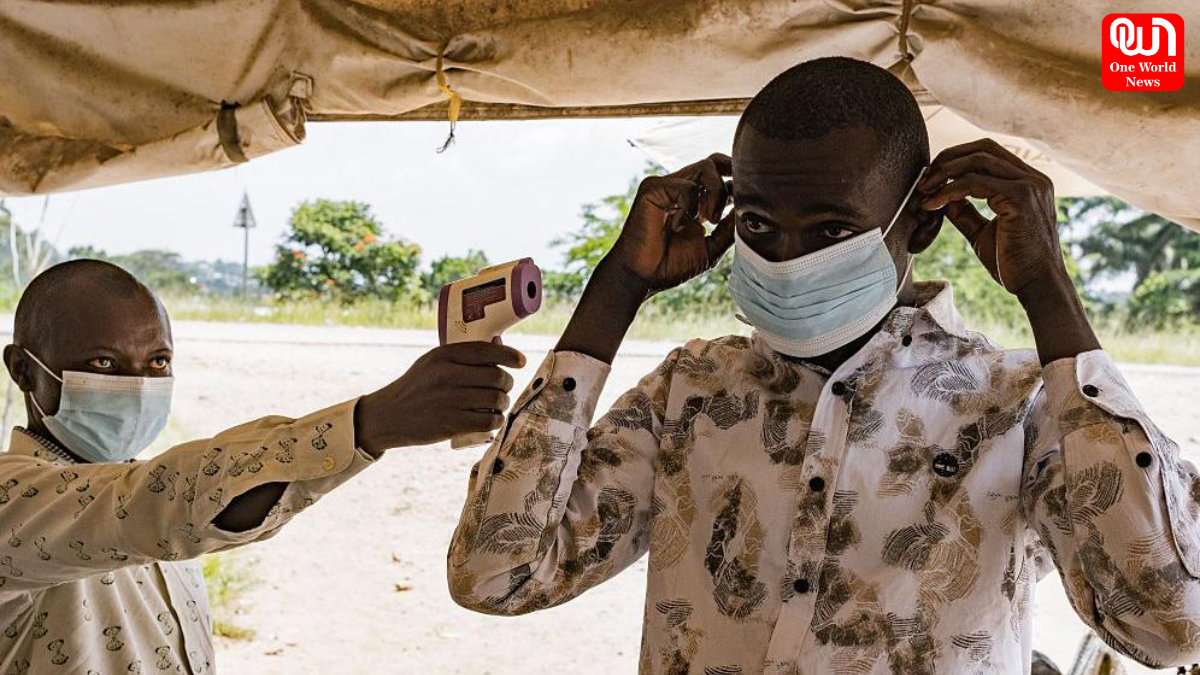
As Ebola Cases Rise Across Several Regions, Here Are 7 Life-Saving Habits We Learned From COVID And Past Global Outbreaks To Stay Safe
As Ebola Cases Rise in different parts of the world, health experts are once again urging people to stay alert and follow preventive health measures. While Ebola is different from COVID-19, both outbreaks have taught us the importance of hygiene, early detection, and responsible behavior during health emergencies.
The COVID-19 pandemic changed how people view infectious diseases. From wearing masks to maintaining proper hygiene, many habits developed during the pandemic continue to protect communities from dangerous viruses. Ebola is a severe illness that spreads through direct contact with infected bodily fluids, making awareness and precaution extremely important.
Here are seven life-saving habits learned from COVID and previous outbreaks that can help reduce risks as Ebola Cases Rise globally.
Wash Your Hands Frequently And Properly
One of the biggest lessons from COVID-19 was the importance of regular handwashing. Proper hand hygiene can significantly reduce the spread of infectious diseases, including Ebola.
Wash your hands with soap and clean water for at least 20 seconds, especially after touching public surfaces, caring for sick individuals, or before eating. Alcohol-based hand sanitizers can also help when soap and water are unavailable.
As Ebola Cases Rise, maintaining clean hands remains one of the simplest yet most effective safety measures.
Avoid Close Contact With Sick Individuals
During past outbreaks, close physical contact was one of the leading causes of infection spread. Ebola can spread through contact with blood, saliva, sweat, or other bodily fluids of infected people.
If someone shows symptoms such as fever, weakness, vomiting, or unexplained bleeding, it is important to avoid direct contact and encourage immediate medical attention. Maintaining safe distancing in risky situations can reduce transmission rates.
The experience from COVID taught people that personal caution helps protect entire communities.
Wear Protective Gear In High-Risk Situations
Masks, gloves, and protective equipment became common during COVID-19, especially in healthcare settings. Similar precautions are extremely important during Ebola outbreaks.
Healthcare workers and caregivers should use proper protective gear when treating infected patients or handling potentially contaminated items. Even in public spaces, basic hygiene protection can reduce exposure risks.
As Ebola Cases Rise, following safety protocols can help prevent unnecessary infections.
read more: Political Roundup: Massive Arms Recovery in Manipur Sparks Nationwide Security Debate
Stay Informed Through Trusted Health Sources
Misinformation became a major problem during the COVID-19 pandemic. False rumors often create panic and confusion during outbreaks.
People should rely on trusted health organizations and medical experts for accurate updates about Ebola symptoms, prevention, and travel advisories. Staying informed helps individuals make better decisions and avoid risky behavior.
Reading verified information regularly is one of the smartest habits developed during recent global health crises.
Strengthen Immunity With Healthy Lifestyle Habits
Although no lifestyle can completely prevent viral infections, maintaining strong overall health can improve the body’s ability to recover from illnesses.
Eating nutritious foods, staying hydrated, getting enough sleep, and exercising regularly help strengthen immunity. During COVID, many people realized the importance of long-term health and wellness in fighting infections.
As Ebola Cases Rise, focusing on personal health can support better resilience and recovery.
Report Symptoms Early And Seek Medical Care
One of the key lessons from COVID was the importance of early testing and medical attention. Delayed diagnosis can increase the spread of dangerous infections.
People experiencing symptoms such as fever, fatigue, muscle pain, vomiting, diarrhea, or bleeding should seek medical help immediately. Early isolation and treatment can save lives and reduce community transmission.
Quick action becomes extremely important as Ebola Cases Rise in affected areas.
Practice Responsible Travel And Public Safety
International travel contributed to the rapid spread of many past outbreaks. Travelers should follow official health guidelines, avoid high-risk areas when advised, and maintain hygiene during travel.
People returning from affected regions should monitor their health carefully and report symptoms if they appear. Responsible travel behavior protects both individuals and communities.
The COVID era showed that global health safety depends on collective responsibility.
Final Thoughts
As Ebola Cases Rise, the world is reminded once again that simple preventive habits can save lives. The lessons learned from COVID-19 and previous outbreaks continue to be valuable in protecting public health.
Regular handwashing, staying informed, avoiding risky contact, and seeking early medical care are practical steps everyone can follow. Public awareness and responsible behavior remain powerful tools in reducing the spread of infectious diseases.
By applying these life-saving habits consistently, individuals can help protect themselves, their families, and their communities during uncertain times.
We’re now on WhatsApp. Click to join.
Like this post?
Register at One World News to never miss out on videos, celeb interviews, and best reads.