Is “8 Glasses Of Water a Day” Needed In Summers? The Truth About Overhydration
Is 8 Glasses Of Water a Day enough in summers? Learn the truth about hydration, overhydration symptoms, and smart water intake tips.

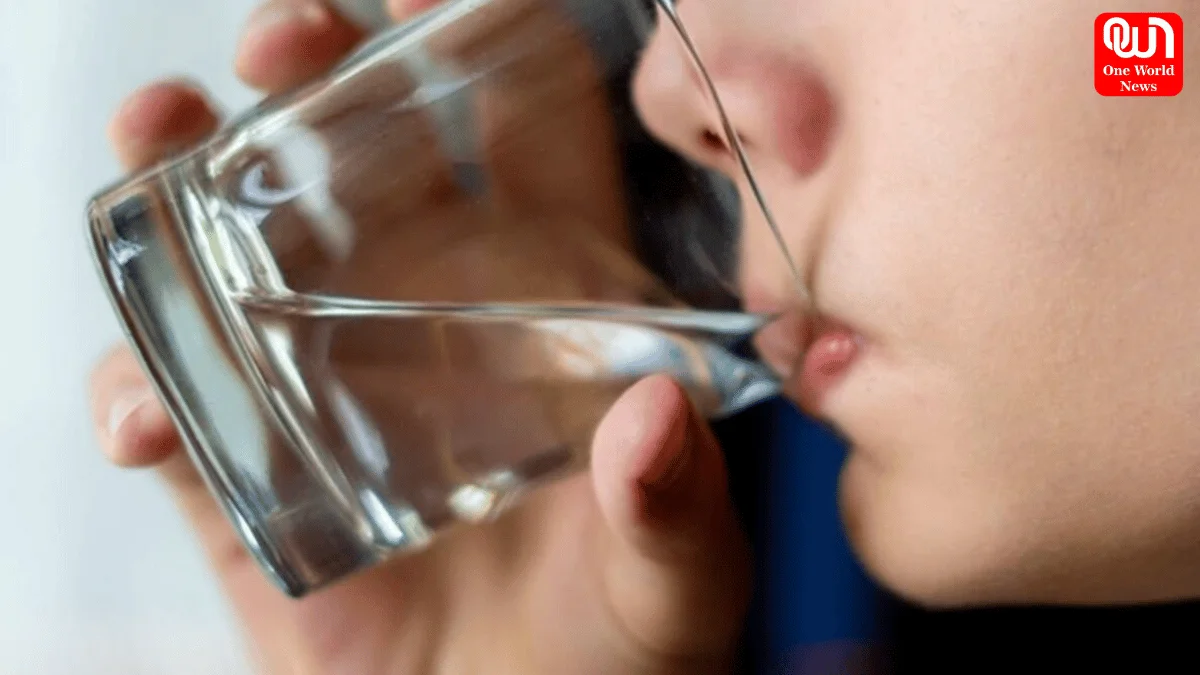
Do You Really Need 8 Glasses Of Water a Day in Summer? Experts Reveal the Truth About Hydration and Overhydration
Every summer, health experts, fitness influencers, and even family members repeat the same advice — drink “8 Glasses Of Water a Day.” But is this rule actually backed by science, especially during extreme summer heat?
The truth is that hydration needs are different for everyone. While staying hydrated during summer is essential, drinking excessive water without understanding your body’s needs can also become dangerous. Overhydration, also known as water intoxication, is a real health concern that many people ignore.
Let’s understand the science behind hydration, the myth of the “8 glasses rule,” and how much water your body truly needs during summer.
Where Did the “8 Glasses Of Water a Day” Rule Come From?
The famous “8 Glasses Of Water a Day” recommendation has existed for decades. It originated from old nutritional guidelines suggesting adults consume around 2 liters of water daily. Over time, people simplified this into drinking eight 8-ounce glasses of water every day.
However, modern health experts now say this is only a general guideline — not a universal rule. Your hydration requirements depend on several factors such as:
- Weather and temperature
- Physical activity
- Body weight
- Age and gender
- Diet and lifestyle
- Health conditions
According to experts, many people already get hydration from fruits, vegetables, tea, coffee, soups, and other foods.
Why Hydration Is More Important During Summer
During summer, your body loses more fluids through sweat. High temperatures and humidity increase the risk of dehydration, especially if you spend time outdoors or exercise regularly.
Proper hydration helps your body:
- Regulate temperature
- Maintain energy levels
- Prevent headaches and fatigue
- Improve digestion
- Support kidney function
- Prevent heat exhaustion
But that doesn’t automatically mean everyone should force themselves to drink exactly “8 Glasses Of Water a Day.”
The Problem With Overhydration
Many people believe that more water always means better health. Unfortunately, that’s not true.
Drinking too much water in a short period can dilute sodium levels in the blood, leading to a dangerous condition called hyponatremia. This is commonly known as overhydration or water toxicity.
Overhydration can cause:
- Nausea
- Headaches
- Confusion
- Muscle cramps
- Fatigue
- Swelling in hands or feet
- Frequent urination
In severe cases, excessive water intake may even affect brain function.
How Much Water Should You Actually Drink in Summer?
There is no “one-size-fits-all” formula. Instead of blindly following “8 Glasses Of Water a Day,” experts recommend listening to your body and adjusting fluid intake based on your activity and environment.
Here are some smart hydration tips:
Drink According to Thirst
Your body naturally signals when it needs fluids. Mild thirst is often the first indicator.
Check Your Urine Color
Light yellow urine usually indicates healthy hydration. Completely clear urine may suggest overhydration.
Increase Intake During Physical Activity
If you exercise or sweat heavily, your water needs increase. Electrolytes may also become important.
Read more: What Is Ebola? Symptoms, Causes, Treatment And Everything You Need To Know
Eat Water-Rich Foods
Watermelon, cucumber, oranges, curd, and soups also contribute to hydration.
Avoid Excess Sugary Drinks
Soft drinks and energy drinks may not hydrate effectively due to added sugar.
Signs You May Not Be Drinking Enough Water
Dehydration during summer can happen quickly. Common symptoms include:
- Dry mouth
- Dizziness
- Dark urine
- Low energy
- Headaches
- Excessive thirst
If you notice these symptoms, increase fluid intake gradually instead of drinking huge amounts at once.
Is Coffee or Tea Dehydrating in Summer?
A common myth says tea and coffee dehydrate the body. In reality, moderate amounts of tea and coffee still contribute to your daily fluid intake.
While caffeine has a mild diuretic effect, normal consumption does not usually cause dehydration.
Smart Summer Hydration Tips
Here are practical ways to stay hydrated without overdoing it:
- Carry a reusable water bottle
- Sip water throughout the day
- Add lemon or mint for flavor
- Include coconut water occasionally
- Avoid drinking excessive water in one go
- Consume electrolyte drinks only when necessary
Balanced hydration is the key — not excessive hydration.
Final Thoughts
The “8 Glasses Of Water a Day” rule is a simple reminder, but it should not be treated as a strict health formula. During summer, your hydration needs depend on your body, lifestyle, and environment.
Instead of obsessing over a fixed number, focus on balanced hydration. Drink when thirsty, monitor your body signals, and avoid both dehydration and overhydration.
Smart hydration — not excessive hydration — is the real secret to staying healthy in summer.
We’re now on WhatsApp. Click to join.
Like this post?
Register at One World News to never miss out on videos, celeb interviews, and best reads.