India Rejects Dutch PM Remarks On Minorities: Lack Of Understanding Over India’s Democratic Framework
India rejects Dutch PM remarks on minorities and press freedom, calling them uninformed and defending its democratic values.

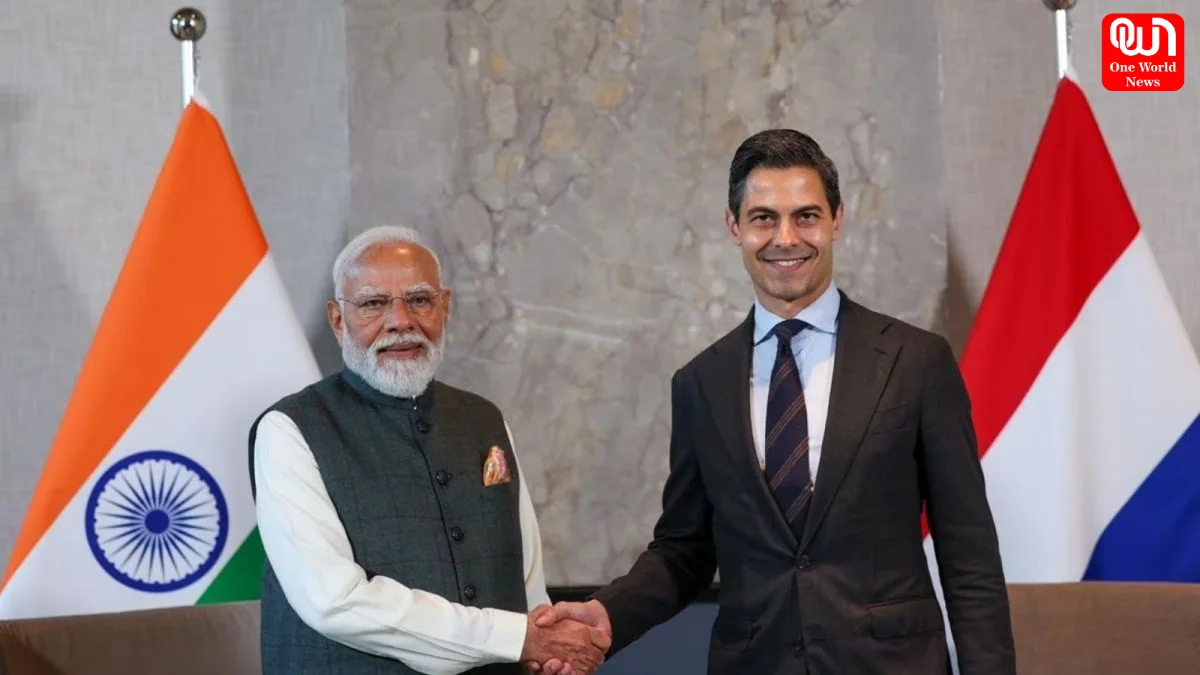
India Rejects Dutch PM Remarks On Minorities And Press Freedom, Calls Comments A ‘Lack Of Understanding’ Of India’s Democracy
India strongly rejected the remarks made by the Dutch Prime Minister regarding minorities and press freedom, calling the comments a “lack of understanding” of India’s democratic structure and constitutional values. The statement triggered diplomatic attention as Indian officials defended the country’s institutions, judiciary, and media environment against what they described as misplaced criticism.
The controversy emerged after concerns were raised internationally about the treatment of minorities and freedom of the press in India. In response, India emphasized that it remains one of the world’s largest democracies with a vibrant media ecosystem, independent judiciary, and strong constitutional safeguards protecting all communities.
India’s Strong Response To Dutch PM Remarks
The Ministry of External Affairs (MEA) firmly dismissed the observations made by the Dutch Prime Minister. Indian officials stated that such comments fail to understand the complexity, diversity, and democratic functioning of the country.
According to the Indian government, isolated narratives should not be used to judge the overall condition of democracy or minority rights in the nation. Officials argued that India’s constitutional framework guarantees equal rights to all citizens irrespective of religion, caste, or ethnicity.
India also highlighted that public debates, criticism of the government, and active political participation continue openly across the country, showcasing the strength of democratic institutions.
Read more: Gold and Silver Prices Today: Bullion Market Remains Stable Amid Global Economic Watch
Concerns Over Press Freedom In India
The remarks by the Dutch PM reportedly touched upon issues related to press freedom and the functioning of independent journalism in India. However, Indian authorities responded by stating that the country has one of the largest and most active media industries globally.
India noted that thousands of newspapers, digital platforms, television channels, and independent journalists operate freely every day. The government maintained that criticism and political discourse are common parts of India’s democratic culture.
Experts believe that global rankings and foreign observations often fail to capture the regional diversity and scale of India’s media ecosystem. The government further argued that press freedom should be viewed within the broader context of national security, misinformation control, and legal accountability.
Minority Rights And India’s Constitutional Protections
India reiterated that minority rights are protected under the Constitution and reinforced through various welfare schemes and legal safeguards. The government pointed out that minorities actively participate in politics, business, education, entertainment, and public administration.
Officials stated that portraying India as intolerant toward minorities is both misleading and inaccurate. They emphasized that India’s democratic process allows every citizen to seek legal remedies and exercise constitutional rights freely.
The Indian government also stressed that social harmony and pluralism remain deeply rooted in the country’s cultural identity.
Why International Remarks Trigger Diplomatic Reactions
Statements by foreign leaders on domestic matters often lead to diplomatic responses, especially when they involve sensitive topics like religion, democracy, or freedom of speech. India has consistently maintained that internal issues should not be commented upon without proper context or understanding.
Political analysts believe India’s response reflects its growing assertiveness in global diplomacy. As India’s international influence expands, the government has become more vocal in defending its internal policies and democratic institutions on global platforms.
The phrase “lack of understanding” used by India signals that the country views such remarks as oversimplified interpretations of a complex democratic society.
Global Debate On Democracy And Free Speech
The exchange between India and the Netherlands also highlights the broader global debate surrounding democracy, media freedom, and human rights. Different countries often interpret these issues through varying political and cultural lenses.
While Western nations frequently comment on democratic standards worldwide, countries like India argue that external evaluations may overlook local realities, security challenges, and social diversity.
Read more: Hindu Devotees Offer Prayers At Bhojshala After High Court Declares Site A Temple
India continues to maintain that democratic values cannot be measured solely through external reports or political narratives.
India’s Position On International Criticism
India has repeatedly asserted that constructive engagement is welcome, but selective criticism based on incomplete understanding is unacceptable. The government believes international partnerships should be built on mutual respect and non-interference in domestic affairs.
The latest diplomatic exchange once again demonstrates India’s willingness to firmly defend its democratic credentials and national image on the global stage.
We’re now on WhatsApp. Click to join.
Like this post?
Register at One World News to never miss out on videos, celeb interviews, and best reads.