Moon Day 2026: Exploring the Magic, Science, and Celestial Events of the Moon in 2026
Moon Day 2026 celebrates lunar science, moon phases, supermoons, eclipses, and space exploration events happening in 2026.

Moon Day 2026: Complete Guide to Lunar Events, Full Moon Dates, Supermoons, and Space Celebrations in 2026
Moon Day 2026 is a special occasion dedicated to celebrating humanity’s fascination with the Moon, lunar exploration, and the incredible astronomical events expected throughout 2026. Observed every year to honor space achievements and lunar discoveries, Moon Day inspires people around the world to look toward the night sky and appreciate Earth’s closest celestial neighbor.
In 2026, Moon Day becomes even more exciting because the year is packed with spectacular lunar events including supermoons, full moons, lunar eclipses, and rare astronomical sightings. Space enthusiasts, astronomers, photographers, and students are expected to participate in Moon Day celebrations by watching the Moon, attending astronomy events, and learning about future lunar missions.
The Moon has always played an important role in human culture, science, religion, and navigation. From ancient civilizations tracking lunar cycles to modern scientists planning future Moon missions, the Moon continues to inspire curiosity and innovation.
According to lunar calendars and astronomy reports, 2026 will feature 13 full moons, including a rare Blue Moon at the end of May. This makes Moon Day 2026 especially significant for skywatchers and astronomy lovers.
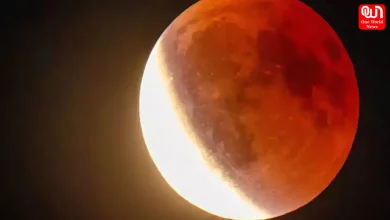
One of the most anticipated lunar events in 2026 is the total lunar eclipse expected in March. During this event, Earth’s shadow will cover the Moon, creating a stunning reddish appearance often called the “Blood Moon.” Such celestial events attract millions of viewers worldwide and highlight the beauty of lunar astronomy.
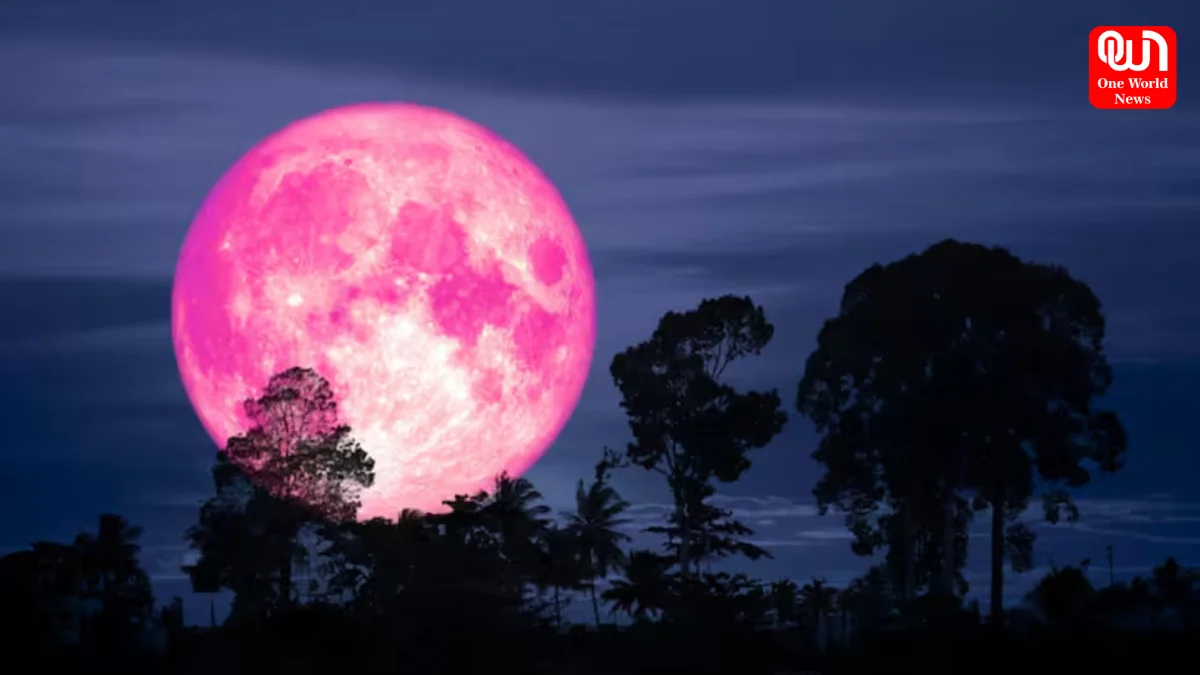
Another exciting aspect of Moon Day 2026 is the discussion around supermoons. A supermoon occurs when the Moon appears larger and brighter because it is closer to Earth in its orbit. Reports suggest that 2026 will witness multiple supermoons, including one of the brightest and closest full moons seen in years.
Moon Day is also closely connected to the history of space exploration. The celebration honors the achievements of astronauts and scientists who contributed to lunar missions. It recognizes the importance of the Apollo Moon landing and modern space agencies continuing lunar research today. Organizations like NASA continue to study the Moon to prepare for future human missions and long-term space exploration.
read more: Earth Day: A Global Wake-Up Call to Protect Our Planet
In schools and science communities, Moon Day 2026 will encourage educational activities such as telescope observation programs, Moon photography contests, and science exhibitions. Many astronomy clubs organize public viewing sessions where people can safely observe lunar craters, phases, and planetary alignments.
The Moon’s phases remain one of the most fascinating parts of astronomy. Throughout 2026, observers will witness the regular cycle of New Moon, First Quarter, Full Moon, and Last Quarter phases. These phases occur because of the changing positions of the Earth, Moon, and Sun. Understanding lunar phases helps explain tides, eclipses, and many natural phenomena connected to Earth.
In India and many other countries, the Moon also holds deep spiritual and cultural importance. Full moon days, known as Purnima, are associated with festivals, prayers, and religious rituals. This cultural connection makes Moon Day 2026 meaningful not only scientifically but also spiritually.
Astronomy experts recommend watching the sky during major Moon events in 2026, especially the Flower Moon, Blue Moon, and lunar eclipses. The Flower Moon in May is expected to be particularly beautiful because it marks the blooming season in many parts of the world.
For photographers, Moon Day 2026 provides a perfect opportunity to capture detailed images of the lunar surface. With modern smartphone cameras and affordable telescopes becoming more accessible, more people can enjoy astrophotography than ever before.
read more: World Population Day 2026: Raising Awareness for a Sustainable Future
As space agencies prepare for future lunar missions and possible Moon bases, interest in lunar science continues to grow. The Moon is considered an important stepping stone for future Mars exploration and deep-space missions. Scientists are studying lunar resources, surface conditions, and potential habitats for astronauts.
Moon Day 2026 is more than just a celebration of the Moon. It is a reminder of humanity’s endless curiosity, scientific progress, and desire to explore the universe. Whether you are a student, astronomy lover, photographer, or casual skywatcher, Moon Day 2026 offers a chance to connect with the wonders of space and appreciate the beauty of the night sky.
As the Moon shines brightly throughout 2026, millions of people around the world will once again be reminded why this celestial object continues to inspire dreams, discoveries, and exploration for generations.
We’re now on WhatsApp. Click to join.
Like this post?
Register at One World News to never miss out on videos, celeb interviews, and best reads.